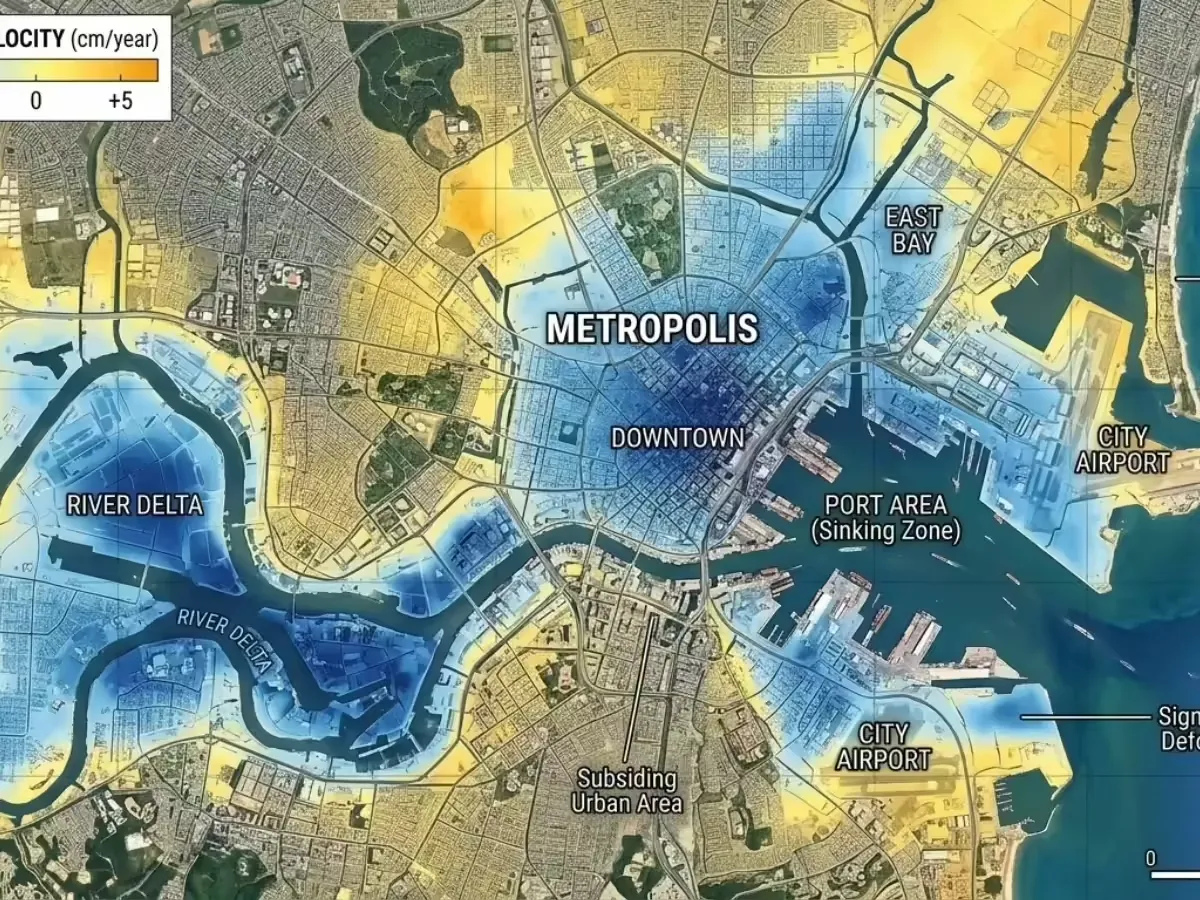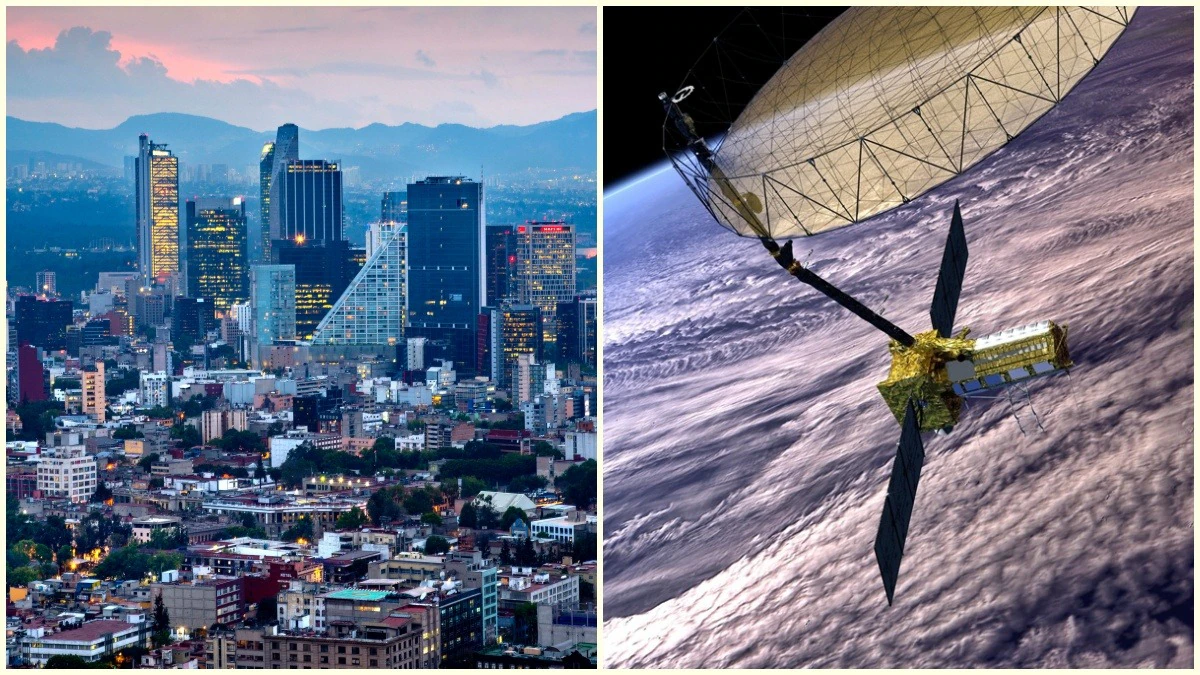

The recent findings from NASA’s radar technology reveal that Mexico City is experiencing gradual sinking, driven by significant land collapse linked to groundwater depletion. Reports indicate that the problem is compounded by the city’s excessive consumption of water, which has led to alarming subsidence rates in certain areas. This phenomenon presents a severe risk to infrastructure and environmental stability.
Groundwater Depletion and Its Implications
The primary cause of the land subsidence is identified as the extensive extraction of groundwater, which has been necessitated by the growing water crisis in the region. Groundwater levels have allegedly been declining at an alarming pace, prompting concerns regarding the availability of water for future generations. The ongoing water shortage has forced many residents and industries to rely heavily on aquifers, which are rapidly being depleted.
Reports indicate that certain areas of the city are sinking as much as 50 cm per year. This significant land subsidence creates hazards not only for buildings and roads but also poses risks to the city’s already strained water supply systems. Engineering experts have noted that infrastructure designed to withstand certain conditions may become compromised due to these changes in land elevation.
The situation has resulted in urgent calls for sustainable water management practices, which are essential for mitigating the impacts of groundwater depletion. Various organisations have suggested that immediate intervention is critical to re-establishing the balance between water extraction and replenishment in the aquifers. Without such measures, the consequences for Mexico City could be dire.