


Khurshid Criticizes BJP’s UCC Remarks, Advocates Constitutional Compliance
The CSR Journal Magazine

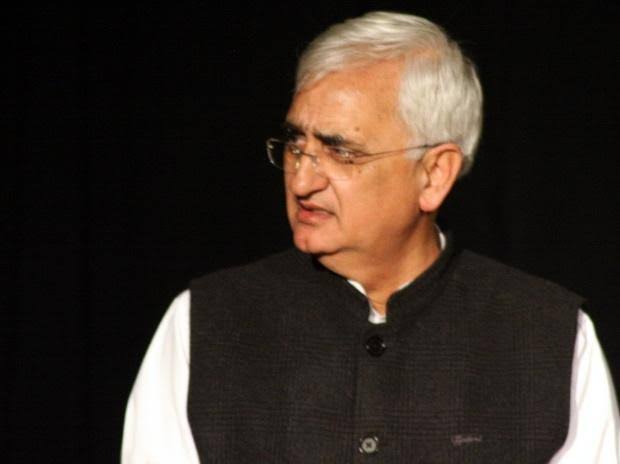
Former External Affairs Minister and prominent Congress figure Salman Khurshid has expressed strong opposition to the Bharatiya Janata Party’s (BJP) approach regarding the Uniform Civil Code (UCC). His comments came on September 14, 2026, following remarks made by Union Home Minister Amit Shah about the implementation timeline for the UCC. Khurshid emphasised that no ideology should take precedence over the Constitution, which is the foundation of Indian democracy.

Khurshid’s statements were directed primarily at Shah’s assertion that the UCC would be in place by 2029 in the 21 states governed by the BJP and its allies. He stated that while the BJP may hold specific ideological beliefs, they must comply with and respect the Constitution, suggesting a need for a balanced understanding of legal frameworks in the country.

Concerns Over Judicial Process for UCC Implementation

Khurshid raised questions regarding the procedural legitimacy of implementing the UCC in states ruled by the BJP. He argued that any law must first undergo scrutiny in the higher judiciary, including the High Courts and the Supreme Court. He pointed out that the constitutionality of such laws must be assessed, especially in relation to fundamental rights and religious freedoms.

Referring to actions taken in Uttarakhand and other states, he indicated that it is essential to test these legislative measures in court before they become enforceable. He remarked that until the judiciary provides a ruling, the BJP could continue to make promises about the UCC. Khurshid highlighted that the decision-making power ultimately lies with the courts, which will determine if collective or individual hearings on these matters will proceed.

Further, Khurshid mentioned that the UCC initiative in Uttarakhand has already been legally contested, and the resolution of that case could serve as a precedent for similar challenges in other states. He underscored that as the legal proceedings unfold, it will become clear how various jurisdictions handle the constitutionality of such laws.

Political Context and Broader Issues Raised

In a separate discussion, Congress leader Rashid Alvi voiced concerns about the BJP’s focus on the UCC amidst pressing socio-economic issues like unemployment, economic instability, and rising fuel costs. He suggested that the UCC issue is being employed as a political tool to divert attention from the government’s shortcomings in effectively addressing challenges faced by citizens.

Alvi highlighted that the BJP’s actions over the past 12 years have allegedly been counter to the interests of the Muslim community. He questioned the government’s commitment to the UCC, suggesting it is unlikely to address critical concerns such as job creation or price control. His comments emphasise the view that the UCC represents a broader agenda that may not necessarily be beneficial for the socio-economic fabric of the country.

Both Khurshid and Alvi’s remarks reveal a broader political contention between the ruling party and opposition regarding legislative priorities and their implications on various community groups within India. The discussion around the UCC continues to incite legal and social dialogue within Indian society as the government progresses with its proposals.

Long or Short, get news the way you like. No ads. No redirections. Download Newspin and Stay Alert, The CSR Journal Mobile app, for fast, crisp, clean updates!

App Store –  https://apps.apple.com/in/app/newspin/id6746449540 

Google Play Store – https://play.google.com/store/apps/details?id=com.inventifweb.newspin&pcampaignid=web_share

Latest News

Popular Videos
