


JD(U) Accuses RaGa of Pressuring Judiciary with Supreme Court March
The CSR Journal Magazine

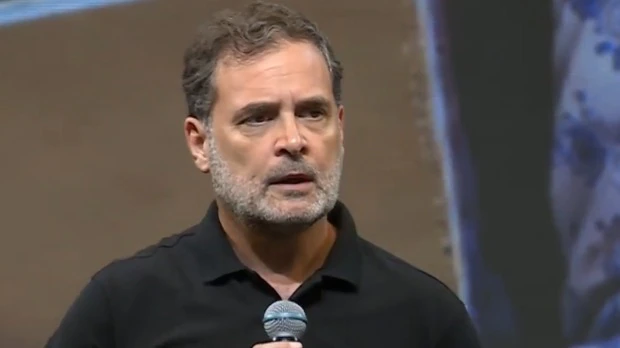
The Janata Dal (United) has expressed its disapproval of Congress leader Rahul Gandhi’s recent protest march to the Supreme Court, claiming it represents an unprecedented attempt to exert pressure on the judiciary. This statement was made on Friday, following Gandhi’s march on October 12, which involved various Opposition leaders protesting alleged irregularities in the Special Intensive Revision of electoral rolls.

JD(U) national spokesperson Rajiv Ranjan Prasad articulated the party’s stance, stating that the events surrounding the protest were extraordinary in the context of India’s parliamentary history. He remarked that such actions had never been witnessed before and suggested that they were intended to influence the judiciary’s independence.

Prasad highlighted that many of the issues raised by Gandhi during the protest were already under consideration by the judiciary. He noted that the Supreme Court had indicated that granting a meeting with Opposition leaders could undermine constitutional propriety, but also affirmed that individuals could approach the court through the appropriate judicial channels.

Supreme Court’s Response to the March

On October 12, the Supreme Court addressed a plea concerning the protest led by Gandhi and other Opposition figures. A bench, consisting of Chief Justice of India Surya Kant and Justice Joymalya Bagchi, issued notices to Gandhi, Congress president Mallikarjun Kharge, Samajwadi Party leader Akhilesh Yadav, Trinamool Congress MP Mahua Moitra, and the Kerala Pradesh Congress Committee, among others. Concerns regarding the march prompted this legal action.

Furthermore, the court directed the Election Commission and Chief Election Commissioner Gyanesh Kumar to respond to a plea filed by Gandhi and twelve other Opposition leaders. This plea addresses allegations of widespread deletion of voters’ names and irregularities in the electoral roll revision process, which has raised significant concerns among various political factions.

The Supreme Court’s engagement with these issues underscores the legal complexities surrounding the protest and the broader implications for electoral integrity in India. The court’s actions are a critical part of maintaining the balance between political expression and judicial independence.

Political Context and Implications

The JD(U)’s criticism of Rahul Gandhi’s actions reflects a broader political landscape in India, where tensions between the government and Opposition parties often manifest in public protests and legal challenges. The October 12 march was not merely a demonstration of dissent. But it was also a strategic move by the Opposition to highlight perceived injustices within the electoral process.

As the Supreme Court continues to deliberate on the matters raised by the Opposition, the outcomes may have far-reaching consequences for future political protests and the relationship between the judiciary and political entities. The JD(U) has positioned itself as a defender of judicial propriety, emphasising the importance of maintaining the judiciary’s independence from political pressures.

In conclusion, the ongoing developments surrounding the Supreme Court march and the subsequent legal proceedings will likely shape the discourse on electoral reforms and the role of the judiciary in safeguarding democratic processes in India. The JD(U)’s stance serves as a reminder of the delicate balance that must be maintained between political advocacy and judicial integrity.

Long or Short, get news the way you like. No ads. No redirections. Download Newspin and Stay Alert, The CSR Journal Mobile app, for fast, crisp, clean updates!

App Store – https://apps.apple.com/in/app/newspin/id6746449540

Google Play Store – https://play.google.com/store/apps/details?id=com.inventifweb.newspin&pcampaignid=web_share

Latest News

Popular Videos
