


JD Vance States “Ball in Iran’s Court” Amid Heightened US-Iran Tensions
The CSR Journal Magazine

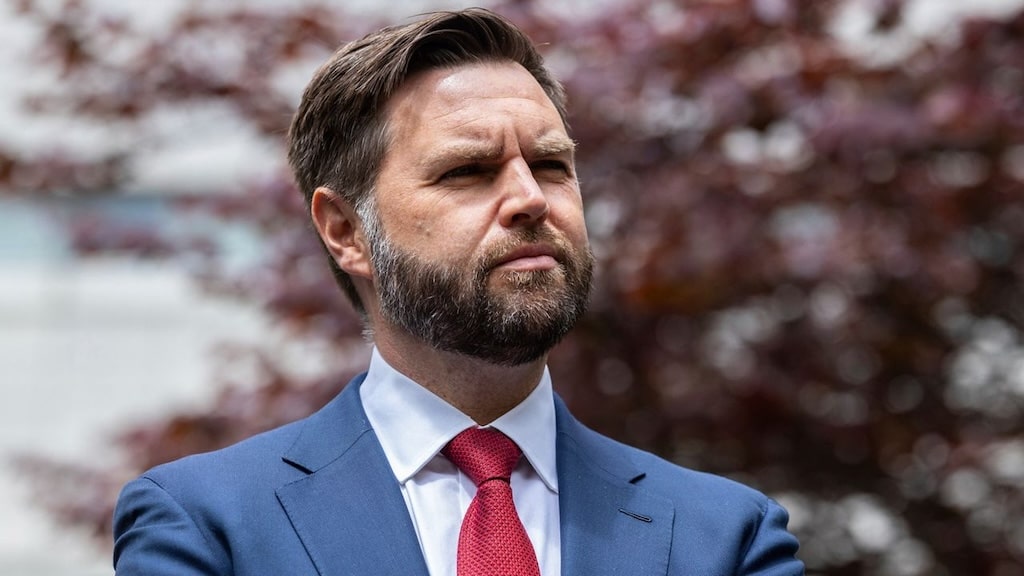
In Budapest on Tuesday, U.S. Vice President JD Vance remarked that it is now up to Iran to respond to ongoing diplomatic negotiations, while cautioning about the potential for increased repercussions from the United States if necessary. Addressing reporters alongside Hungarian Prime Minister Viktor Orban, Vance emphasized that though the U.S. seeks a peaceful resolution, it is prepared to take significant measures if Iran fails to cooperate.

He stated that the current dialogue relies on Iran’s decision-making capabilities, saying, “The President of the United States is a man who recognizes leverage.” Vance further highlighted that if Iran chooses to inflict hardship, the U.S. has the ability to impose far greater challenges in return. Despite this, he expressed a preference for a diplomatic outcome, noting the ongoing discussions as a sign of America’s commitment to resolving the situation amicably.

Concerns Over Delays in Negotiation

Vance pointed out that the pace of communication from Tehran has been sluggish, particularly amidst escalating tensions. He acknowledged that Iran has historically not been quick to negotiate and remarked, “We recognize there’s some delay sometimes in transmitting messages from one person to another.” He expressed optimism about obtaining a response from Iranian officials by 8:00 PM local time on the day of his statements and urged Iran to respond positively in light of the current geopolitical climate.

Impact on Global Energy Stability

During his remarks, Vance highlighted the importance of stable global energy flows, stressing the implications for ordinary people requiring affordable energy for heating, cooling, and transportation. He cautioned against Iran engaging in actions that could jeopardize economic stability, labeling such behavior as “economic terrorism.” The U.S. Vice President indicated that while the United States is advocating for a peaceful resolution, it holds other options in reserve and is prepared to take action if Iran does not change its course. “We’ve got tools in our toolkit that we so far haven’t decided to use, but those will be options,” he said.

U.S. Military Actions Reported in Iran

Simultaneously, tensions between the U.S. and Iran have intensified as reports of extensive aerial strikes across multiple locations in Iran emerged on the same day. The strikes targeted key infrastructure, including military sites on Kharg Island, which is crucial for Iran’s oil exports. A U.S. official confirmed that these military actions involved airstrikes on numerous military targets on the island. This development marks a significant escalation in the ongoing military confrontation in the Persian Gulf. The official further clarified that although the operations were conducted entirely from the air, no U.S. ground troops were involved.

Precision Strikes Focused on Military Assets

The airstrikes were described as precision-based, aimed at neutralizing Tehran’s military capabilities rather than disrupting its energy infrastructure. Reports indicated that military bunkers, storage facilities, and air defense systems were among the targeted locations. The bombing campaign was designed to limit Iran’s defensive and logistical capabilities without directly impacting oil production facilities. Officials reiterated that the focus was on strategically significant assets, indicating a calculated military approach in response to the evolving situation.

Long or Short, get news the way you like. No ads. No redirections. Download Newspin and Stay Alert, The CSR Journal Mobile app, for fast, crisp, clean updates!

App Store –  https://apps.apple.com/in/app/newspin/id6746449540 

Google Play Store – https://play.google.com/store/apps/details?id=com.inventifweb.newspin&pcampaignid=web_share

Latest News

Popular Videos
