


Jairam Ramesh Alleges Conspiracy Over Unprorogued Parliament
The CSR Journal Magazine

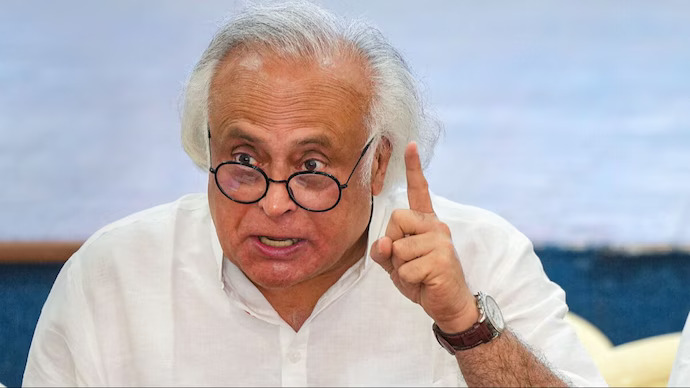
Jairam Ramesh, a member of the Rajya Sabha and Congress spokesperson, has raised significant concerns regarding the central government’s handling of Parliament. His comments come in light of both Houses remaining unprorogued for 27 days following their adjournment sine die after the Monsoon Session concluded on August 13. Ramesh has labelled the situation as “something fishy,” indicating his suspicion of underlying motives from the government.

During a conversation with ANI, Ramesh expressed his dismay at the lengthy delay, highlighting that it marks a historical precedent. He noted that the previous maximum interval was 28 days in 2015, asserting that the current situation could surpass that. Ramesh’s comments imply a quest for clarity on the government’s intentions, indicating uncertainty about possible conspiracies at play.

He suggested that the prolonged inaction may hint at an effort by the ruling party to manipulate parliamentary numbers. According to him, it is done to secure a two-thirds majority, which he claims they are struggling to achieve. Ramesh’s comments reflect a broader concern regarding the integrity of parliamentary procedures under the current administration.

Monsoon Session Overview

The Monsoon Session began on July 20 and spanned 25 days, during which 12 bills were passed. Among these, only one—the Public Examinations (Prevention of Unfair Means) Amendment Bill, 2026—was subjected to thorough debate in Parliament. Other legislative proposals were approved without sufficient discussion due to opposition protests surrounding several issues, including the NEET paper leak and the alleged misappropriation of donations for the Ram Temple.

Despite the passage of legislation, the session was marked by a decrease in parliamentary productivity. The Lok Sabha operated at roughly 19 per cent of its expected time. Meanwhile, the Rajya Sabha functioned at about 39 per cent. This disparity raises questions about the effective use of time and resources during the session, especially given the significant public interest in the matters being legislated.

During the session, a total of 11 bills were introduced in the Lok Sabha and two in the Rajya Sabha. Notably, two of the passed bills effectively replaced previously issued ordinances—the Supreme Court (Number of Judges) Amendment Ordinance and the Income-Tax (Amendment) Ordinance of 2026—both of which had been promulgated prior to the session’s commencement.

Official Conclusion of Parliamentary Session

The adjournment of both Houses officially concluded the 8th Session of the 18th Lok Sabha and the 271st Session of the Rajya Sabha. The significant duration following the sine die adjournment has prompted further scrutiny of government operations and legislative priorities. Ramesh’s remarks underscore a growing scepticism about the ruling party’s commitment to transparency and efficient governance.

As this situation develops, Ramesh and the Congress party continue to call for clarity from the government regarding its actions and intentions. The implications of this extended period of unprorogued Parliament could have lasting effects on the political landscape and public sentiment in India as the parties navigate through this legislative impasse.

With the forthcoming days likely revealing more about the government’s strategy, public attention will remain focused on how these events unfold. Ramesh’s criticisms may resonate with various constituents who are increasingly aware of the political dynamics at play within Parliament.

Long or Short, get news the way you like. No ads. No redirections. Download Newspin and Stay Alert, The CSR Journal Mobile app, for fast, crisp, clean updates!

App Store –  https://apps.apple.com/in/app/newspin/id6746449540 

Google Play Store – https://play.google.com/store/apps/details?id=com.inventifweb.newspin&pcampaignid=web_share

Latest News

Popular Videos
