


IDBI Bank’s $5.6B Sale Provides Fiscal Relief to Indian Government
The CSR Journal Magazine

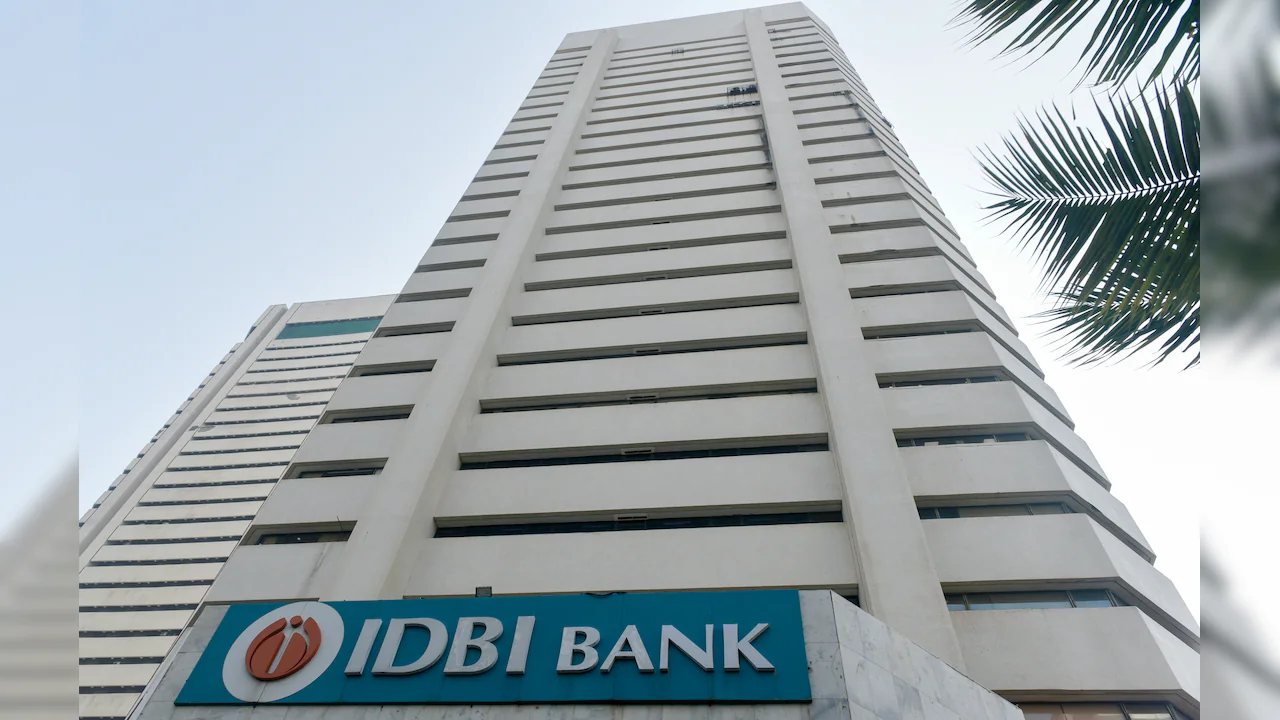
The recent sale of IDBI Bank, valued at $5.6 billion, offers the Indian government under Prime Minister Narendra Modi a much-needed fiscal respite amidst rising fuel prices and declining foreign investments. This transaction marks a significant milestone, pushing the total proceeds from asset sales beyond the government’s annual target for the first time in seven years. Economists suggest that this financial windfall will enable the government to mitigate the impact of oil prices exceeding $100 per barrel without compromising its fiscal deficit target of 4.3 per cent.

Experts have indicated that while the sale bolsters government finances, the benefits may be temporary if crude prices remain elevated. Gaurav Kapur, an economist at IndusInd Bank, noted that the funds from the stake sale would not only help meet deficit targets but also allow for extended fuel subsidies, given the potential for sustained high oil prices.

Impact on Public Finances

India’s dependency on imported crude oil—approximately 90 per cent of its requirements—renders the economy particularly susceptible to fluctuations in global oil prices. In an effort to alleviate consumer burdens, the government has already implemented cuts to fuel taxes, while state-owned oil retailers have refrained from raising pump prices despite the increase in international costs. These strategies, however, have adversely affected public finances.

According to ICRA, a ratings agency, excise duty collections plummeted by 23 per cent during the initial five months of the current fiscal year, which commenced in April. The fiscal deficit reached Rs 7.1 trillion during this period, accounting for nearly 42 per cent of the annual target. ICRA has cautioned that the government risks exceeding its deficit goal by as much as Rs 1.4 trillion unless it identifies alternative savings.

Despite these challenges, India’s robust economic performance has provided some cushion. From April 1 to September 17, the government collected Rs 14.3 trillion ($149 billion) in gross direct taxes, reflecting a 15.2 per cent increase compared to the previous year. Madhavi Arora, an economist at Emkay Global Financial Services Ltd, emphasised the necessity for the government to establish fiscal buffers against unforeseen risks, particularly in light of ongoing uncertainties related to the Middle East and rising subsidy and import costs.

Broader Economic Context

The IDBI Bank sale also represents a crucial advancement for India’s privatisation agenda, which has often fallen short of government expectations. This fiscal year, New Delhi had aimed to generate Rs 800 billion from stake sales and asset monetisation, following several years of disappointing returns. However, it is important to note that the proceeds from privatisation are one-time gains, unlike tax revenues that are received annually.

Economists caution that a sustained period of high oil prices could diminish the fiscal buffer, especially if the government continues to shield households from rising fuel costs. Garima Kapoor, an economist at Elara Capital, remarked that if fuel prices remain elevated, the government may need to reconsider its pace of fiscal consolidation or limit growth in public capital expenditure for the fiscal year ending in March 2028. This scenario underscores the need for a strategic focus on disinvestment and asset monetisation as the government seeks to balance its fiscal responsibilities with the imperative to sustain economic growth.

In light of the ongoing economic challenges, including the performance of the Indian rupee, the Reserve Bank of India has initiated measures to support the currency, marking its most significant action since the 2013 currency crisis. Governor Sanjay Malhotra indicated that further measures would be considered if necessary, reflecting the government’s commitment to stabilising the economy during turbulent times.

Long or Short, get news the way you like. No ads. No redirections. Download Newspin and Stay Alert, The CSR Journal Mobile app, for fast, crisp, clean updates!

App Store – https://apps.apple.com/in/app/newspin/id6746449540

Google Play Store – https://play.google.com/store/apps/details?id=com.inventifweb.newspin&pcampaignid=web_share

Latest News

Popular Videos
