


app-store-logo
play-store-logo
March 12, 2026

Iran’s Mojtaba Khamenei Advocates for Neighborly Relations While Emphasizing Security of Strait of Hormuz

The CSR Journal Magazine

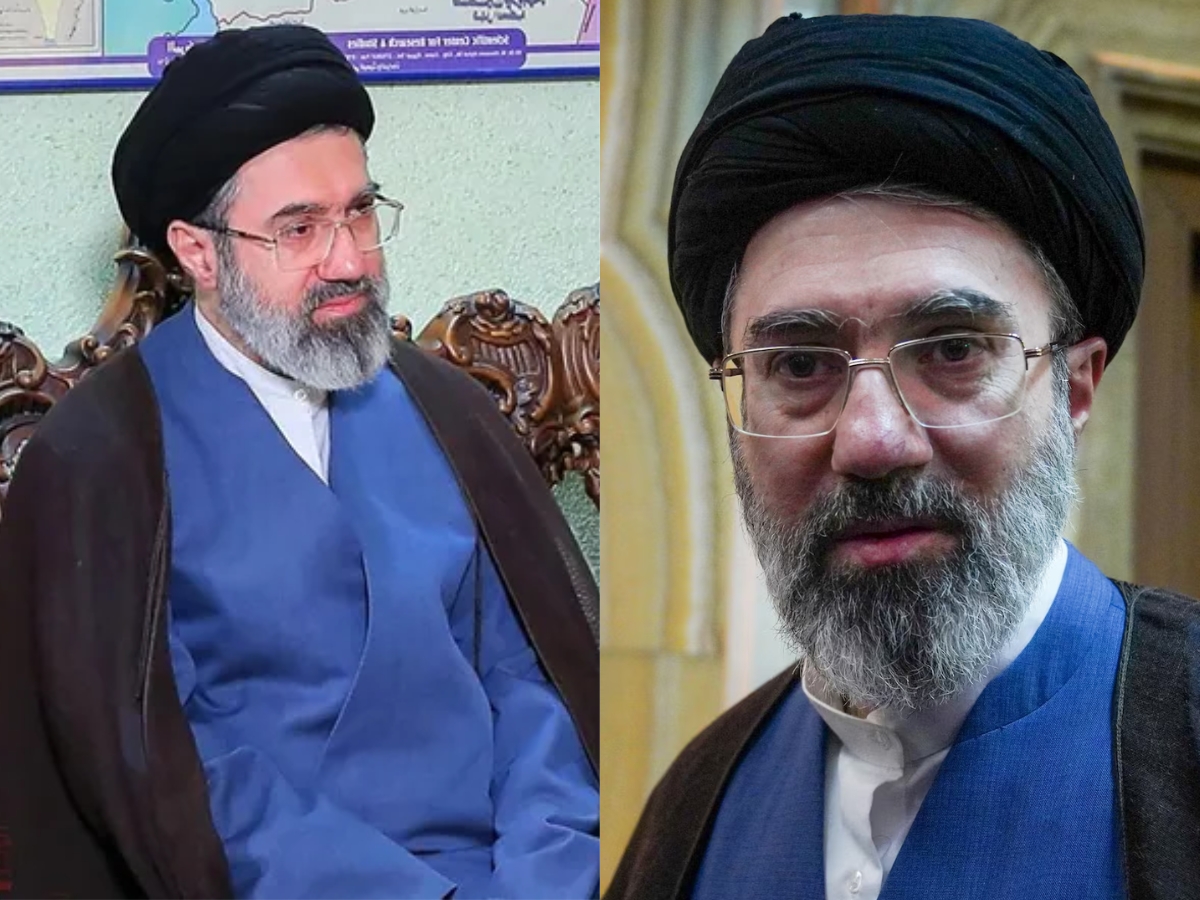
Mojtaba Khamenei, the Iranian Supreme Leader, has articulated the importance of fostering amicable relations with neighboring countries during a recent address. He highlighted that while Iran seeks friendly ties with its regional neighbors, it remains steadfast in its position regarding the security of the Strait of Hormuz. His comments reflect Tehran’s diplomatic stance amidst tensions in the Middle East, particularly given the ongoing conflicts involving regional actors and foreign powers.

Significance of the Strait of Hormuz

The Strait of Hormuz holds strategic military and economic significance as it serves as a crucial passage for a substantial portion of the world’s oil supply. Khamenei’s insistence that this waterway must remain closed to certain entities underscores Iran’s commitment to maintaining control over its territorial waters. The Iranian leadership perceives this approach as integral to safeguarding national interests in a climate marked by geopolitical uncertainties.

Context of Regional Tensions

The remark comes in the context of escalating confrontations between various nations in the region, including ongoing hostilities involving Israel and its neighbors, as well as the United States’ military engagements. Regional stability is increasingly fragile, and Khamenei’s comments appear designed to reaffirm Iran’s position as a central player in Middle Eastern politics while advocating for peaceful coexistence with Arab states.

Mojtaba Khamenei’s Vision for Cooperation

Khamenei also stressed the potential for cooperation among Middle Eastern nations, urging for a unified stance against external pressures. He emphasized the need to build trust and solidarity to address common challenges faced by countries in the region. This message aims to reinforce diplomatic ties, positioning Iran as a proponent of regional collaboration, even amidst prevailing tensions.

Implications for International Trade

The closure of the Strait of Hormuz would significantly influence global oil markets and international trade routes. Khamenei’s unwavering stance may raise concerns among international stakeholders who rely on this strategic passage for the transportation of goods and energy resources. The implications of this situation extend beyond regional dynamics, prompting discussions on the energy security of various nations and potential responses to maintain navigational safety in the area.

Moving Forward in Diplomatic Engagements

In light of Khamenei’s recent statements, Iran may seek to enhance diplomatic engagements with neighboring states, aiming to bolster economic relations and security cooperation. His call for a unified approach may resonate with many Middle Eastern nations that share concerns about their sovereignty and regional stability. The outcome of these diplomatic efforts will likely depend on various factors, including responses from external powers and the evolving geopolitical landscape.

Concluding Remarks

The developments in Iran’s foreign policy under Mojtaba Khamenei’s leadership signal a complex interplay between regional camaraderie and the imperative of national security. As the situation evolves, the international community will be closely monitoring Iran’s actions and the responses of its neighbors, assessing the potential for lasting change in Middle Eastern relations.

Long or Short, get news the way you like. No ads. No redirections. Download Newspin and Stay Alert, The CSR Journal Mobile app, for fast, crisp, clean updates!

App Store –  https://apps.apple.com/in/app/newspin/id6746449540 

Google Play Store – https://play.google.com/store/apps/details?id=com.inventifweb.newspin&pcampaignid=web_share

Latest News

Popular Videos