


Iran Offers to Reopen Strait of Hormuz Within 7 Days if US Eases Pressure
The CSR Journal Magazine

Iran has indicated it is willing to reopen the strategically important Strait of Hormuz within seven days, contingent on the United States reducing military pressure and lifting restrictions on Iranian ports, according to a senior Iranian official who spoke to Reuters on Tuesday. This offer suggests a potential diplomatic solution amid ongoing tensions, although Tehran has also warned that any new military actions by the US may evoke a severe response.

The Strait of Hormuz is crucial in the context of the current crisis, as a significant portion of global oil supplies transits through this narrow waterway. The Iranian official stated that the US must officially prioritise a diplomatic resolution to the conflict and work towards a timeline for negotiations. Furthermore, he noted that Iran’s delegation attending the United Nations General Assembly in New York possesses the full authority to initiate talks with Washington.

Iran has reportedly communicated its proposal to the US through intermediaries on September 16, and this may serve as a foundation for discussions aimed at alleviating hostilities. “The UN General Assembly presents a unique opportunity for the US to embrace diplomacy,” the official remarked, expressing that Tehran would welcome renewed diplomatic efforts if Washington undertakes concrete actions.

US Open To Diplomatic Engagement At UN General Assembly

In related developments, US Secretary of State Marco Rubio affirmed that Washington is amenable to engaging with Iranian officials at the United Nations, although no specific meetings have currently been arranged. In an interview with NBC News, Rubio mentioned, “We’re open to that. I don’t think anything is scheduled at this point, but we’re certainly open to something like that, especially if it has prospects for positive outcomes.”

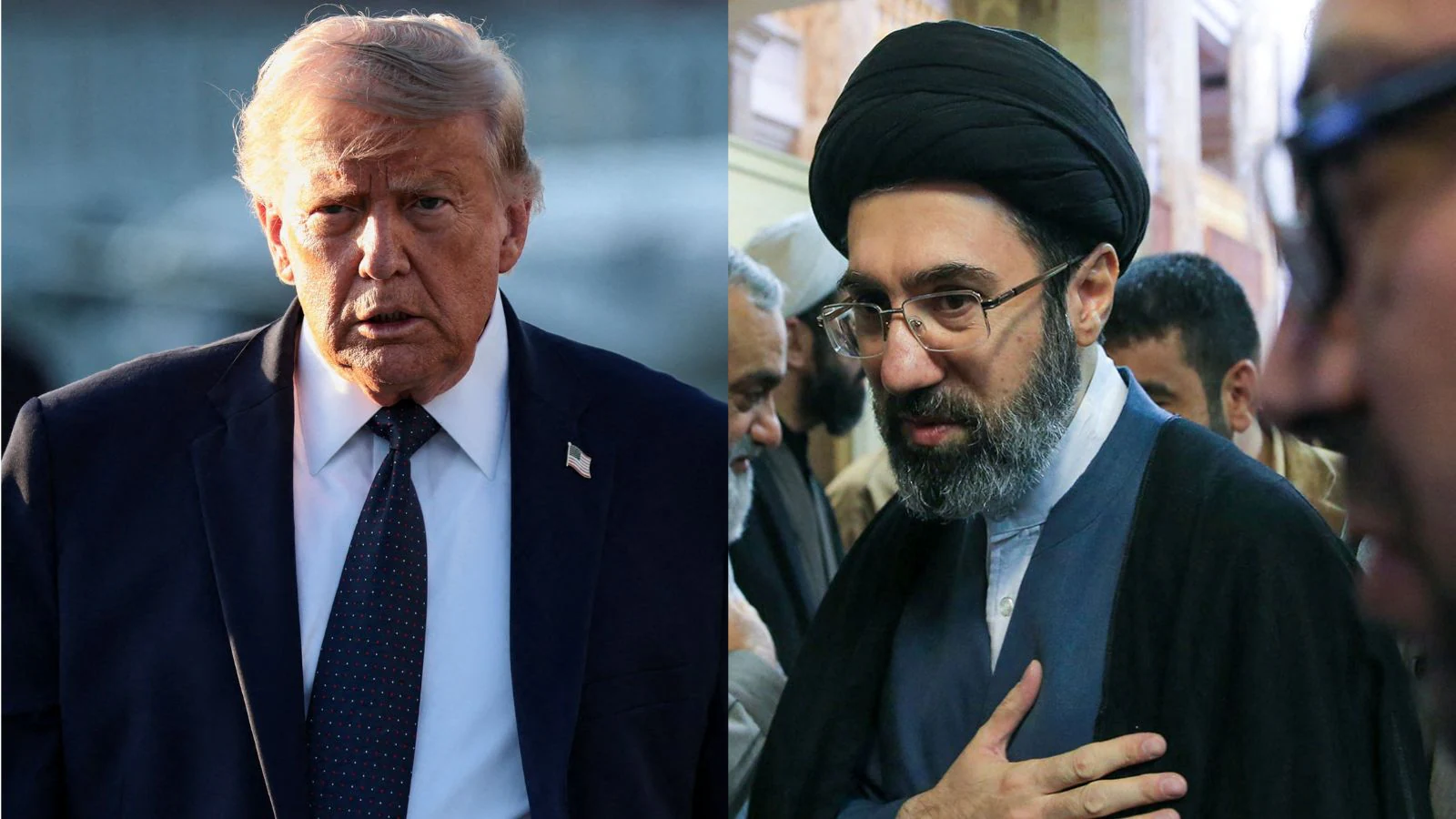
Rubio emphasised that the overarching aim for the US is to prevent Iran from developing nuclear weapons. His comments were echoed by President Donald Trump, who had also indicated a willingness to meet Iranian President Masoud Pezeshkian during the UN General Assembly. Nevertheless, Trump has accompanied this openness with stern warnings to Tehran regarding potential consequences.

During a Fox News interview, Trump outlined three possible outcomes for Iran: significant military action, allowing its economy to deteriorate, or reaching a negotiated agreement. He asserted, “They better behave,” implying a hard stance on US-Iran relations.

Iran’s Military Posture Amid Tensions

Despite signalling a readiness for negotiations, Iranian military officials have warned that any further attacks from the US could lead to an expanded conflict. Hossein Mohebbi, spokesperson for the Islamic Revolutionary Guard Corps, conveyed that Tehran would adapt both its military capabilities and strategy in the event of renewed aggression from Washington. He stated, “If a new aggression takes place, we will definitely change the weapons and geography of the war,” as reported by Iran’s semi-official Fars news agency.

The IRGC has also disclosed that it possesses weaponry and has designated targets for potential use in the ongoing tension. Concurrently, Iran’s Khatam al-Anbia Central Headquarters noted intelligence suggesting that the US and its allies are preparing for another large-scale offensive.

They issued a strong warning, stating, “If the US makes any mistake against the Islamic Republic of Iran, all its positions and interests in the region will be targeted by sustained, effective, and painful attacks,” according to Tasnim.

Saudi Arabia Restores Key Oil Export Pipeline

In parallel to the developments surrounding Hormuz, Saudi Arabia is working on restoring alternative routes for its oil exports. The nation has resumed operations at its East-West Pipeline and anticipates restarting crude exports from the Red Sea port of Yanbu later today, as reported by Reuters.

A series of drone attacks had led to the closure of this pipeline on September 13, impacting crude loadings from the Yanbu facility. This pipeline offers Saudi Arabia a significant alternative to transporting oil through the Strait of Hormuz. Since the disruptions caused by the recent US-Israeli conflict with Iran, Saudi Arabia has rerouted approximately four million barrels of crude oil per day through this pipeline, which accounts for nearly four per cent of the global oil supply.

The resumption of pipeline operations has influenced global oil prices, with traders indicating that Saudi Arabia’s restored supplies contributed to a decline in oil markets. Brent Crude futures fell by more than two dollars per barrel, marking their lowest price since September 8. However, sources reported that the pipeline was functioning at a reduced capacity following its restart.

Long or Short, get news the way you like. No ads. No redirections. Download Newspin and Stay Alert, The CSR Journal Mobile app, for fast, crisp, clean updates!

App Store –  https://apps.apple.com/in/app/newspin/id6746449540 

Google Play Store – https://play.google.com/store/apps/details?id=com.inventifweb.newspin&pcampaignid=web_share

Latest News

Popular Videos
