


“Iran Did Not Want This War; It Was Imposed:” Representative of Iran’s Supreme Leader in India
The CSR Journal Magazine

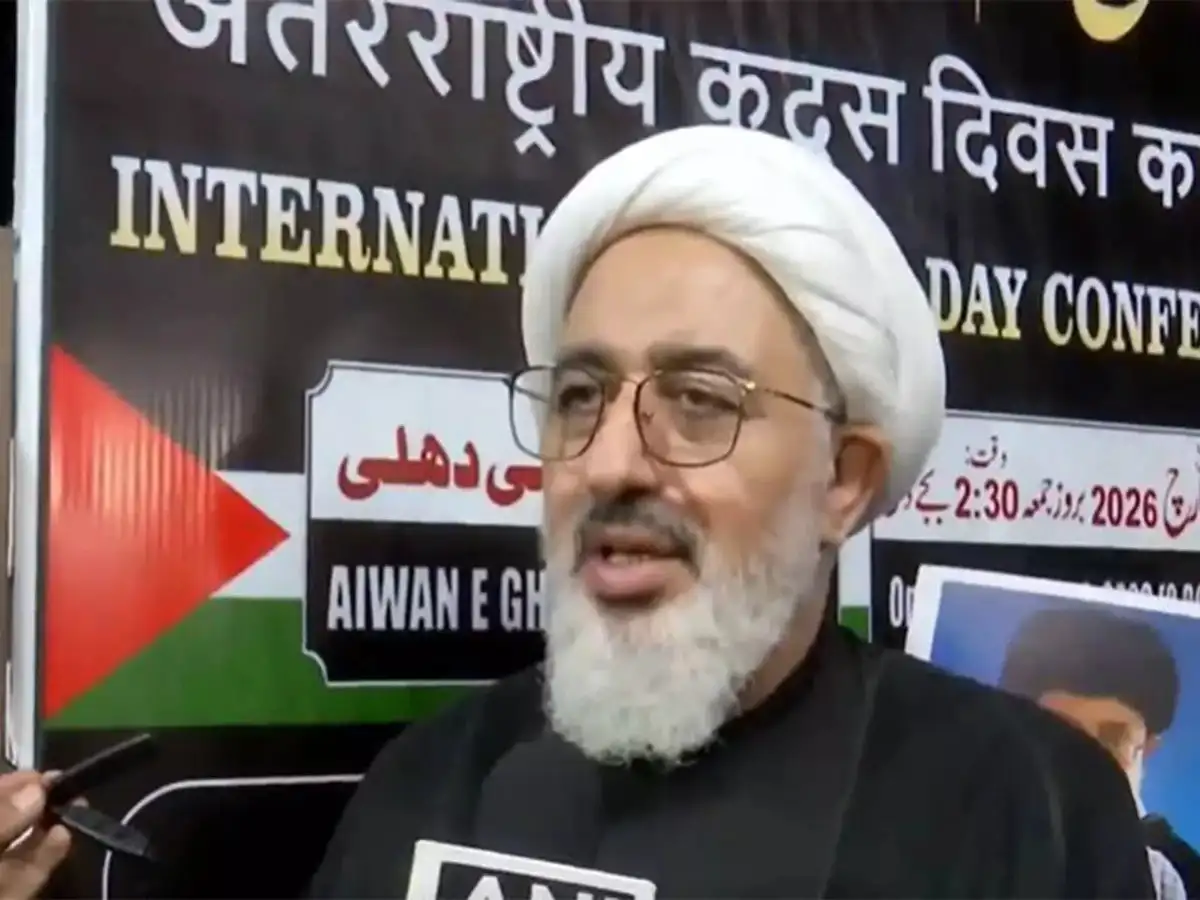
Abdul Majid Hakeem Ilahi, the representative of Iran’s Supreme Leader in India, stated that the ongoing conflict was not initiated by Iran but was imposed upon them. In a recent discussion, he highlighted that the United States has conducted over 10,000 attacks on Iranian targets, including air forces and missile installations. Ilahi emphasized that Iran has no desire for conflict with its neighboring nations and accused the U.S. of utilizing bases in those countries to carry out its military actions against Iran.

Ceasefire Agreement Mentioned

Ilahi announced that a ceasefire agreement had been reached between Iran and the United States for a duration of two weeks. He reiterated that Iran was not seeking war and characterized the hostilities as an imposition. He remarked on the miscalculation by those who believed that the conflict could be resolved swiftly, stating that attacks against Iranian civilians and residential areas backfired on the aggressors.

Targeting U.S. Bases

The Iranian representative made a clear distinction between military actions taken against American bases and the protection of civilians. Ilahi affirmed that Iran has focused solely on military targets in retaliation and has no intention of harming innocent lives. He denounced attacks originating from Arab nations, referencing a tragic incident in which missiles struck a school in Minab, resulting in the deaths of 170 young girls. Ilahi called for understanding between Iran and its neighbors, expressing hope for better relations devoid of U.S. influence.

Comments on Civilization Threats

Ilahi expressed deep concern over threats made by U.S. officials regarding the destruction of Iranian civilization, asserting that such statements reflect a lack of comprehension about Iran’s culture and history. He remarked that public support within Iran swelled in response to threats against national infrastructure, including the potential destruction of bridges, hospitals, and educational institutions. The determination to defend national assets was made evident through mass gatherings of Iranian citizens, prepared to protect their heritage and infrastructure.

Warnings on Oil Infrastructure

Highlighting the potential consequences of further assaults, Ilahi warned that if the U.S. and Israel targeted Iran’s oil refineries, there would be severe repercussions. He asserted that the message was clear: continued aggression would lead to dire outcomes, including the closure of vital shipping routes, such as the Strait of Hormuz. He emphasized that prior to the conflict, this passage was secure and without issues.\

Reopening of the Strait of Hormuz

Ilahi challenged claims made by U.S. President Donald Trump regarding the reopening of the Strait of Hormuz. He argued that the Strait was already under Iranian control before the recent hostilities escalated. According to him, the conflict had generated global shipping challenges, but with the cessation of attacks, there was an opportunity for peace that could benefit all stakeholders.

Continuing Diplomatic Dialogue

Moving forward, Ilahi indicated that discussions would persist regarding the ten conditions proposed by Iran. He noted that multiple countries had played a crucial role in facilitating the ceasefire and that, for him, the safety of individuals affected by the conflict was of utmost importance. These ongoing negotiations reflect a potential avenue for diplomatic engagement between the nations involved.

Long or Short, get news the way you like. No ads. No redirections. Download Newspin and Stay Alert, The CSR Journal Mobile app, for fast, crisp, clean updates!

App Store –  https://apps.apple.com/in/app/newspin/id6746449540 

Google Play Store – https://play.google.com/store/apps/details?id=com.inventifweb.newspin&pcampaignid=web_share

Latest News

Popular Videos
