


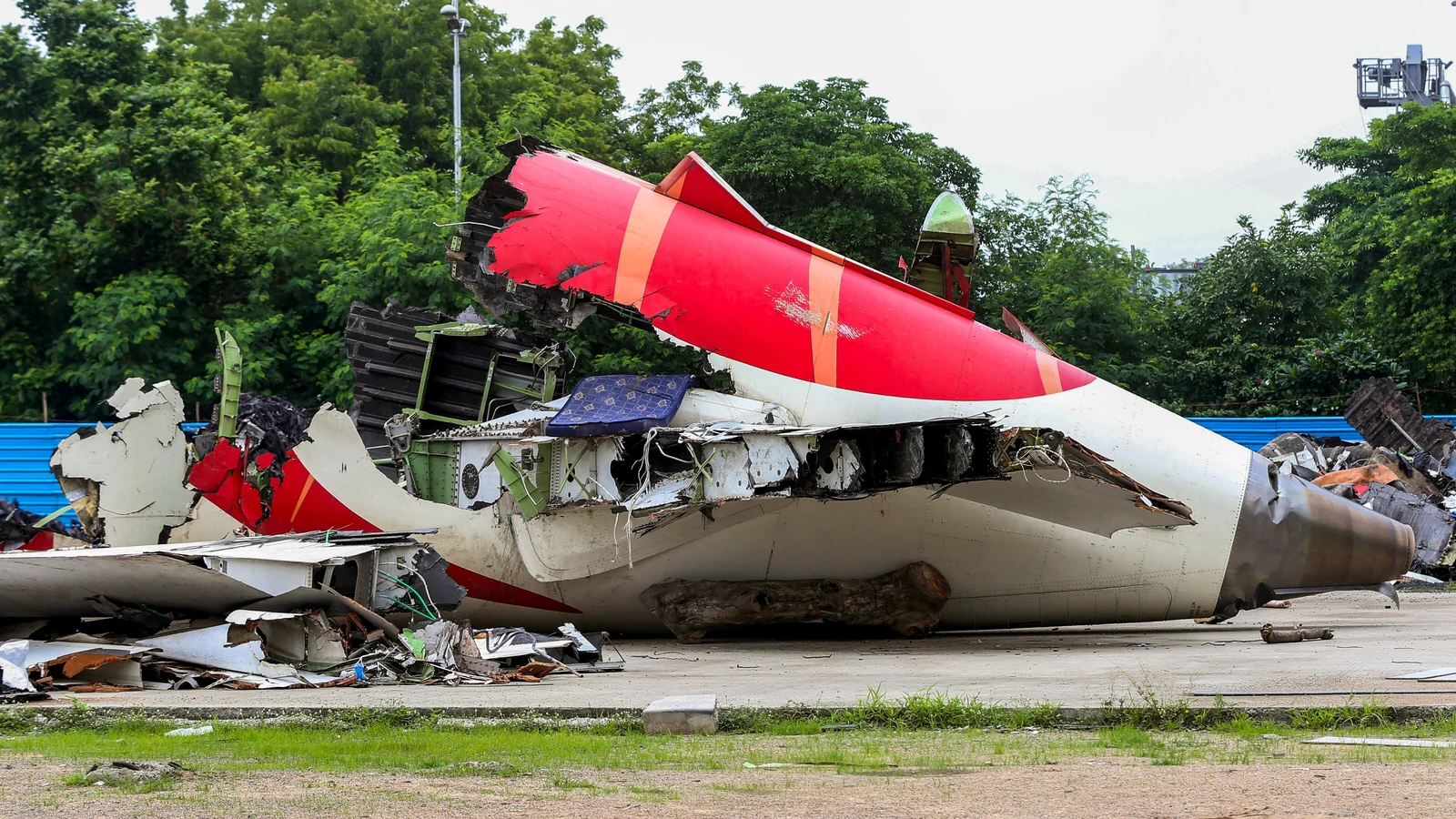

Investigators examining the Air India flight disaster that occurred in Ahmedabad on June 12, 2025, have determined that the crash was not due to any technical malfunction but rather the result of an intentional act. According to reports from a prominent Italian daily, the investigation team has gathered substantial evidence pointing towards deliberate interference with the aircraft’s fuel systems. The findings are said to be a significant development in the ongoing investigations involving discussions between officials in New Delhi and Washington.
Boeing 787 Dreamliner crashed shortly after taking off from Ahmedabad airport
The aircraft involved, a Boeing 787 Dreamliner, tragically crashed shortly after taking off from Ahmedabad airport, resulting in the loss of 260 lives. Among those deceased were passengers onboard and individuals residing in a medical students’ hostel that the aircraft struck. The sole survivor of the crash was one passenger. Initial inquiries indicated that the disaster stemmed from a fuel cut-off leading to engine failure, redirecting focus away from mechanical issues towards human actions.
A preliminary report, released by India’s Aircraft Accident Investigation Bureau (AAIB) in July 2025, highlighted critical communications between the cockpit crew just before the accident. In these recordings, one pilot questioned his counterpart about the status of the fuel control, asking, “Why did you cut off the fuel?” while the other insisted, “I did not do so.” The investigation now suggests that one of the pilots intentionally turned off the fuel control switches, which cause engine power loss and ultimately led to the fatal plunge.
Captain Sumeet Sabharwal was the pilot-in-command
At the time of the incident, Captain Sumeet Sabharwal was the pilot-in-command, with First Officer Clive Kunder serving as co-pilot. Both were among the victims of this disaster. Speculation surrounding the motives behind the crash pointed primarily towards Captain Sabharwal, particularly in light of reports suggesting that he may have been suffering from depression prior to the incident. These claims created considerable controversy, eliciting strong reactions, including protests from pilots’ associations who demanded further investigations into the circumstances leading to the crash.
Captain Sabharwal’s father publicly rejected the claims regarding his son’s mental health, insisting that there was no basis for such accusations and calling for an independent inquiry into the crash. He also dismissed the speculation pertaining to personal challenges, such as a potential divorce, suggesting that these did not contribute to any alleged mental health issues.
As the investigation progresses, the final report is expected to include recommendations advocating for ongoing psychological assessments and mental health monitoring for airline pilots, highlighting the significant importance of mental fitness in aviation safety. Initially, various theories emerged regarding potential causes for the crash, with early suggestions including both technical malfunctions and pilot error. However, a focused review has led investigators to primarily examine the cockpit actions concerning the fuel control switches.
Black box data analysis has ruled out mechanical failures
Black box data analysis has ruled out mechanical failures and indicated that the shut-off of the engines was a manual decision, confirming suspicions about the involvement of the cockpit crew in the events leading up to the crash. As investigators prepare their final findings, the focus remains on clarifying the circumstances surrounding this tragic incident and understanding the broader implications for future aviation safety protocols.