


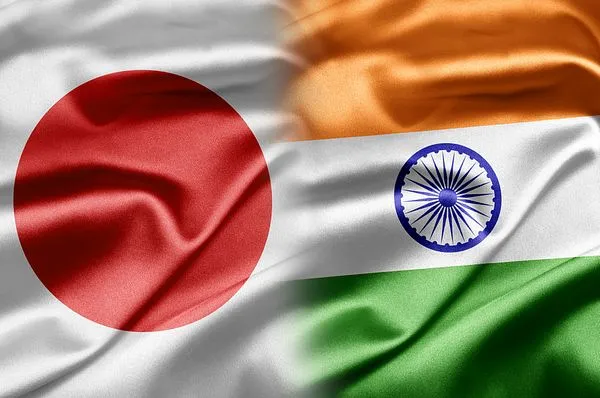
2027 Marks 75th Anniversary Year of Diplomatic Relations Between India and Japan
The CSR Journal Magazine

India is home to TDK’s operations, which include 12 facilities comprising the Asia Pacific headquarters and six manufacturing plants. The company boasts a workforce exceeding 5,000 employees in the country. TDK has emerged as a vital player, producing electronic components and energy solutions that are foundational to various industries and everyday life.

Founded 90 years ago, TDK initially focused on industrialising magnetic materials, specifically ferrite. The company is now renowned for its extensive range of products that cater to a global market. Currently, TDK’s annual sales reach approximately $15.7 billion, with over 90 per cent of these sales originating from international markets.

The workforce at TDK has expanded to more than 106,000 employees globally, with 90 per cent based outside Japan across more than 30 countries. This broad demographic allows TDK to stay ahead of industry trends, particularly in the development of passive components, magnetic heads, batteries, sensors, and other essential technologies.

Contribution to Modern Technologies

TDK plays a critical role in several burgeoning sectors, including artificial intelligence, electric vehicles, and autonomous driving technology. The company’s products are integral to numerous industries and daily devices; for example, small batteries produced by TDK command a market share exceeding 50 per cent of the global smartphone battery sector.

Many consumers worldwide use devices containing TDK components daily, whether in their smartphones, smart glasses, or smart watches. An office worker in the semiconductor sector typically interacts with TDK technology at every stage of their commute and workday, from electric vehicle charging stations to smart office facilities.

Upon reaching their workplace, TDK technologies are evident in various systems, including communication networks and industrial automation setups. This extensive integration underscores how TDK’s offerings support critical infrastructure and technological innovation globally.

TDK’s Future-Oriented Strategy

TDK operates under a philosophy known as the “Ferrite Tree” concept. The roots of this tree symbolise TDK’s foundational magnetic ferrite technology, while its branches encompass various future-focused industries. Engineers are encouraged to engage with this concept to identify emerging needs and potential shifts within the market.

The company has structured its organisation around four main areas: passive components, sensors, magnets, and energy solutions. These areas are designed to not only meet traditional demands but also to adapt to the evolving landscape of modern industries such as AI, robotics, and big data management.

TDK also prioritises its human resources, recognising employees as essential assets rather than mere financial resources. This philosophy is complemented by the “small group activity” initiative, which began in 1965. This management approach relies on small teams to enhance product quality, which is then communicated to upper management for further improvements.

In the coming years, TDK plans to expand this small group activity model beyond Japan to include China, ASEAN countries, and India, thereby fostering a culture of continuous improvement. According to CEO Noboru Saito, TDK’s organisational structure resembles a jazz band, where over 106,000 individuals contribute to a harmonious collective effort aimed at driving industrial transformation.

Long or Short, get news the way you like. No ads. No redirections. Download Newspin and Stay Alert, The CSR Journal Mobile app, for fast, crisp, clean updates!

App Store –  https://apps.apple.com/in/app/newspin/id6746449540 

Google Play Store – https://play.google.com/store/apps/details?id=com.inventifweb.newspin&pcampaignid=web_share

Latest News

Popular Videos
