


Indian Astronaut Shubhanshu Shukla Introduces Bheem Concept for Extraterrestrial Habitats
The CSR Journal Magazine

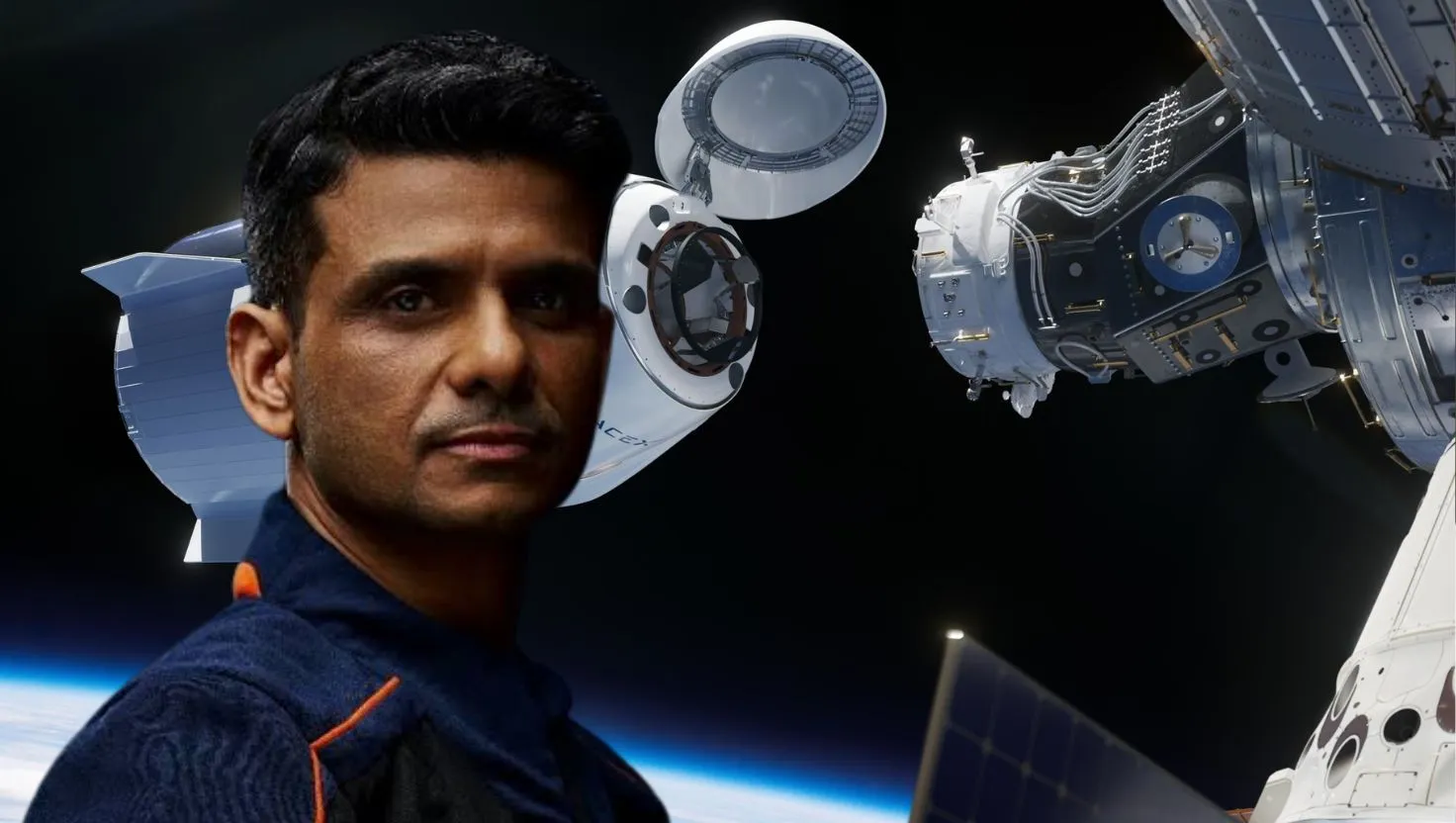
Indian astronaut Group Captain Shubhanshu Shukla has proposed an innovative project aimed at addressing how astronauts may live outside of Earth. He introduced the Bharatiya Habitable Expandable Extraterrestrial Habitat (BHEEM), a concept stemming from his academic research conducted during his astronaut training in India, following his experience in Russia.

During this training, Shukla engaged in learning about India’s launch vehicle systems and the orbital module, complemented by rigorous physical training and preparation for spaceflight. In addition, he was encouraged to undertake academic research focusing on the future of human habitation in space.

Shukla emphasised his ambition to think beyond the vehicles designed for space travel, aiming to explore the potential for human settlements on celestial bodies once they have landed.

Development of BHEEM at Indian Institute of Science

His project, the BHEEM concept, was developed at the Aloke Lab within the Indian Institute of Science located in Bengaluru. This research addresses a critical challenge of upcoming human space missions: maintaining a continuous human presence away from Earth.

While rockets and spacecraft are essential for transporting astronauts to other worlds, sustaining their lives and productivity poses a distinct set of challenges. Future habitats must protect inhabitants from extreme space radiation and temperatures, as well as potentially dangerous environments.

Additionally, these habitats will require dependable life-support systems and efficient energy generation and storage solutions, along with practical techniques for construction and expansion. Shukla pointed out that “the question of where do we live?” remains pivotal for future space exploration.

Importance of Early Research in Space Habitat Technologies

Shukla has asserted that research into the necessary technologies should commence well in advance of any planned long-term human settlements beyond Earth. He indicated that work should start today in order to ensure the viability of human life in space in the next two decades.

He highlighted that as India expands its aspirations in human spaceflight and deep-space exploration, the Gaganyaan programme is expected to form the groundwork for future missions that include Indian astronauts venturing into low-Earth orbit and subsequently beyond.

His research on the BHEEM concept aligns with India’s evolving focus on technologies that will support future lunar and planetary exploration initiatives.

Shukla also pointed out that the initial steps towards establishing a habitat in space may not necessarily involve the physical construction of such structures. Rather, it may start with the imaginative process of conceptualising what these habitats might look like in the future.

As global efforts to explore the Moon and Mars intensify, the race to create homes for future explorers may very well be commencing within laboratories in India, driven by visionary projects like BHEEM.

Long or Short, get news the way you like. No ads. No redirections. Download Newspin and Stay Alert, The CSR Journal Mobile app, for fast, crisp, clean updates!

App Store –  https://apps.apple.com/in/app/newspin/id6746449540 

Google Play Store – https://play.google.com/store/apps/details?id=com.inventifweb.newspin&pcampaignid=web_share

Latest News

Popular Videos
