


Ex-Google Executive Predicts AI May Replace Traditional Colleges
The CSR Journal Magazine

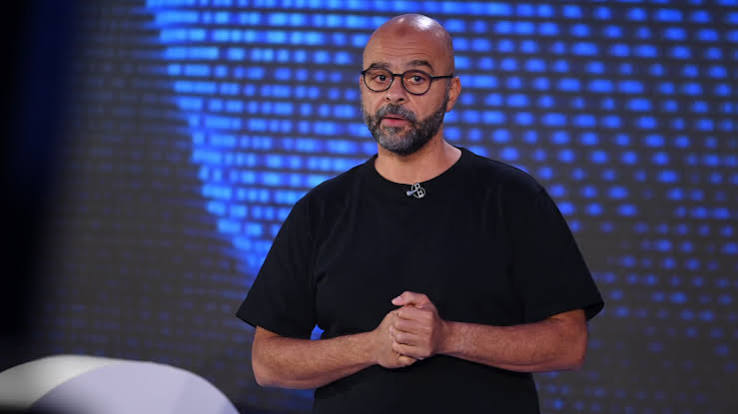
Former Google executive Mo Gawdat asserts that artificial intelligence has the potential to transform education so drastically that conventional college systems may become obsolete within the next ten years. During a discussion on the podcast, Gawdat, who held various positions at Google for 12 years, including Chief Business Officer at Google X, made a stark recommendation to parents regarding future savings for their children’s education.

Gawdat expressed his belief that there will be no need for traditional college education in ten years, stating, “Absolutely not. There’s not going to be college at all in 10 years already. 100%.” He emphasised that AI is changing the face of learning and career preparation, suggesting it acts as an extension of human capabilities, allowing individuals to acquire and process information much more efficiently than previously possible.

He compared the potential impact of AI to that of calculators, explaining how tools can enhance cognitive focus by alleviating the burden of complex tasks. While he acknowledges the advantages of AI, Gawdat cautioned against a blind reliance on the technology, arguing that it might diminish critical thinking skills if people become too dependent on it for problem-solving.

Adapting Education to AI Technologies

In light of these changes, Gawdat proposed a paradigm shift in how students are assessed in educational institutions. He advocates for a new evaluation system that integrates AI into the learning process rather than relying solely on traditional examinations. This approach would measure students not by their ability to perform unaided but by the synergy between their skills and AI capabilities.

Additionally, Gawdat highlighted the importance of preparing children for a future where AI is ubiquitous in both educational settings and the workforce. He emphasised four key areas of focus: proficiency in AI usage, adaptability to rapidly changing technologies, a strong ethical framework for responsible AI development and utilisation, and a sceptical approach to information provided by artificial intelligence.

His first recommendation encourages individuals to embrace AI as a tool that supplements their skills. The second urges continuous learning and flexibility as AI systems evolve. He also advocates for ethical considerations surrounding AI’s deployment, particularly with increasing government and corporate adoption of advanced technologies. Lastly, fostering a critical mindset is essential, as individuals should verify and compare information from various AI sources to ensure comprehensive understanding and accuracy.

Implications for the Workforce and Future Job Markets

Gawdat’s projections indicate a significant disruption in the labour market due to the advancement of AI technologies. He posits that as organisations leverage AI to gain competitive advantages, other businesses may be compelled to integrate similar technologies to remain viable. This scenario poses questions about the future role of higher education institutions, as universities currently provide more than just imparting knowledge; they also contribute to research, professional credentials, and networking opportunities.

While Gawdat’s assertions may spark debate, the ongoing evolution of AI technology presents both challenges and opportunities for educational paradigms. The concept of education is being redefined through the lens of technology, prompting educators to reconsider the relevance of traditional approaches in an age dominated by AI. As this landscape evolves, the role of education will need continual evaluation to ensure it meets the demands of a technologically advanced society.

At this juncture, the actual timeline of colleges potentially becoming obsolete within ten years remains uncertain. Nevertheless, the discourse emphasises the need for adaptive strategies in both educational systems and workforce training to align with the changes brought about by AI advancements.

Long or Short, get news the way you like. No ads. No redirections. Download Newspin and Stay Alert, The CSR Journal Mobile app, for fast, crisp, clean updates!

App Store –  https://apps.apple.com/in/app/newspin/id6746449540 

Google Play Store – https://play.google.com/store/apps/details?id=com.inventifweb.newspin&pcampaignid=web_share

Latest News

Popular Videos
