


Election Commission Faces Internal Dissent as Commissioners Raise Objections
The CSR Journal Magazine

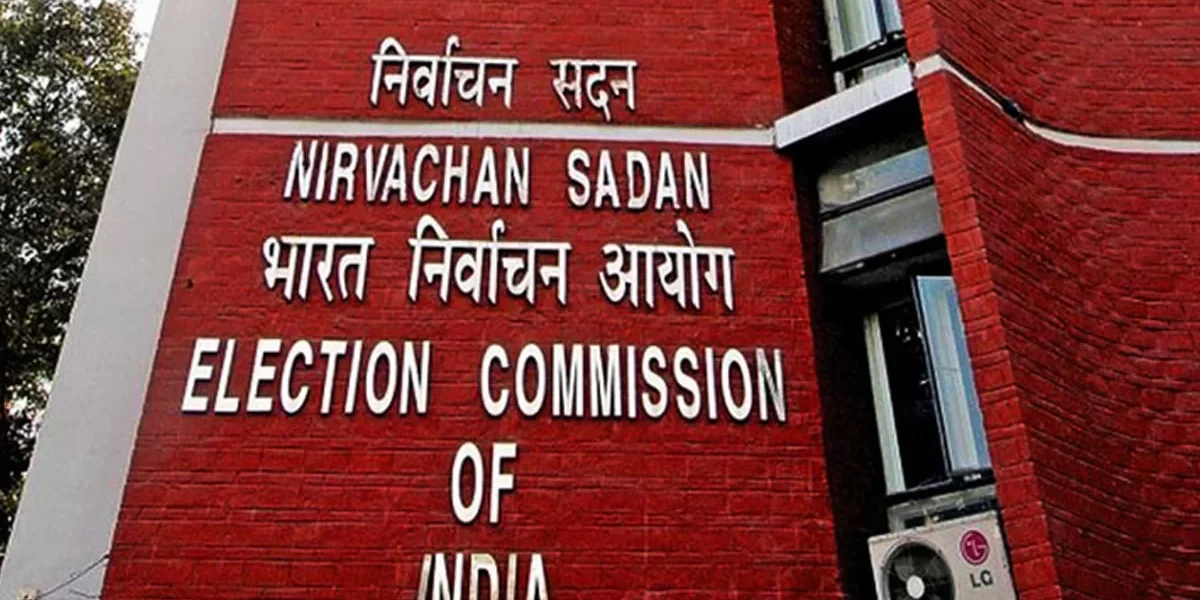
The Election Commission of India (ECI) has been under scrutiny following the documentation of 14 formal objections by two Election Commissioners over ten months. Despite these disputes, the three-member panel has maintained a cohesive public presence during key election briefings. From October 28, 2025, to August 14, 2026, the Commissioners raised concerns regarding various decisions, including those related to the Voter Registration Process (SIR) and modifications to the electoral rolls.

During this period, the ECI organised four joint briefings, which coincided with an International Conference on Democracy and Election Management (IICDEM). However, Commissioners Sukhbir Singh Sandhu and Vivek Joshi did not express their discontent during these public appearances, creating a notable contrast between their internal objections and external presentation.

Investigative reports reveal that the objections primarily pertained to the treatment of new voters, the management of electoral rolls, and access to software that stores voter data. Chief Election Commissioner Gyanesh Kumar has been met with calls for resignation amid these internal disagreements.

Joint Briefings Despite Disagreements

Throughout the last ten months, the Commissioners have participated in several important briefings together. Notably, on October 27, 2025, the ECI announced the second phase of the SIR programme, involving twelve states and Union Territories. This announcement, however, was marred by controversy as Assam was excluded from the exercise, prompting criticism regarding its handling of citizenship criteria.

The day following the announcement, Sandhu questioned the issuing of directives in the ECI’s name without prior approval from the Commission. The specific orders that prompted this objection remain unclear, highlighting the underlying tensions within the organisation.

On November 4, 2025, concerns were raised regarding the restricted access to the electoral roll database, known as ERONet. This software has previously allowed Electoral Registration Officers (EROs) to manage voter data effectively. Deputy Election Commissioner Sanjay Kumar alerted the Commission to these access restrictions, a move initiated by Sandhu’s instructions. The timing of these concerns was critical, as a new software system, ECINet, was to be launched shortly thereafter.

Final Briefings Amid Ongoing Discontent

The final joint appearance of the Commissioners occurred on March 15, 2026, during an announcement concerning upcoming Assembly elections across various states, including Assam, Kerala, Tamil Nadu, and West Bengal. Despite assurances from the Chief Election Commissioner regarding the integrity of the electoral rolls, internal issues continued to escalate.

During previous briefings, such as one in Guwahati on February 18, the Commissioners discussed successful voter roll revisions. Nonetheless, subsequent meetings revealed complexities, such as over sixty lakh voters being omitted from the final electoral list in Bengal. Sandhu later expressed concerns about 16 lakh appeals challenging voter inclusion, signalling a deeper disconnect within the Commission.

In its response to the ongoing investigations, the ECI acknowledged the validity of the noted objections but framed them as part of standard internal discussions. The Commission asserted that its decisions were collectively taken and emphasised the broader context of the decisions made over the past months, thereby attempting to mitigate the narrative of discord.

Long or Short, get news the way you like. No ads. No redirections. Download Newspin and Stay Alert, The CSR Journal Mobile app, for fast, crisp, clean updates!

App Store –  https://apps.apple.com/in/app/newspin/id6746449540 

Google Play Store – https://play.google.com/store/apps/details?id=com.inventifweb.newspin&pcampaignid=web_share

Latest News

Popular Videos
