


ECI Informs SC About 37 Lakh Pending Bengal SIR Appeals; Requests 42 Tribunals
The CSR Journal Magazine

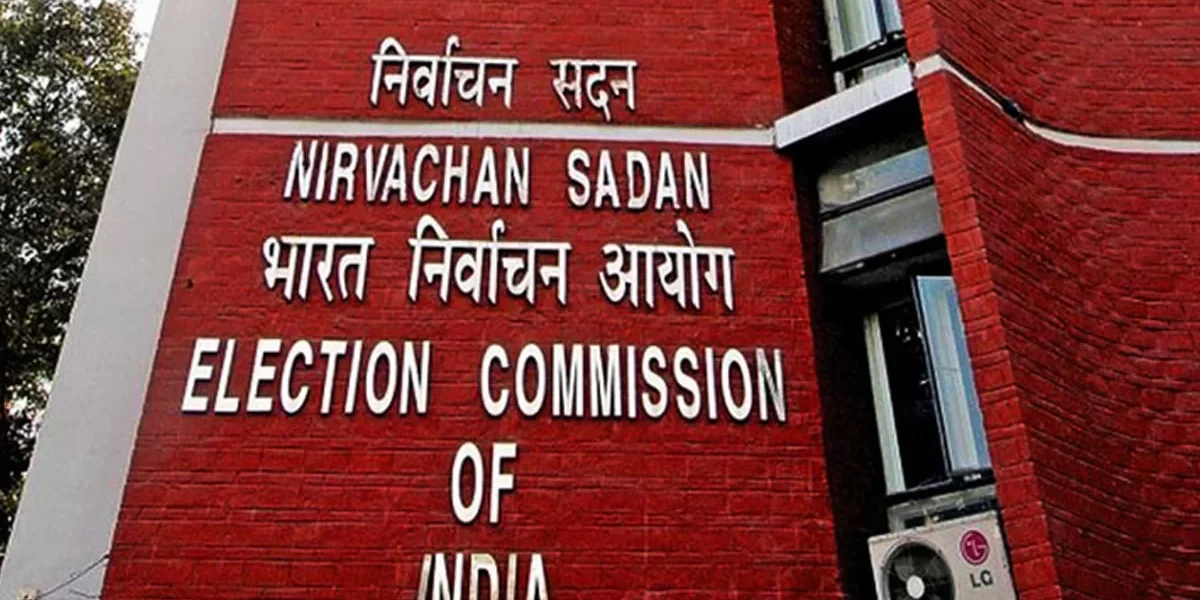
The Election Commission of India (ECI) has highlighted to the Supreme Court the necessity of augmenting the number of appellate tribunals managing appeals related to West Bengal’s Special Intensive Revision (SIR) of electoral rolls.

In a recently submitted affidavit, the Commission proposed that the count of tribunals be raised from 19 to 42, suggesting that one tribunal be established for each of the state’s 42 Lok Sabha constituencies. This recommendation is aimed at addressing the significant backlog of appeals currently under consideration.

Overview of Appeals Filed and Status

The ECI reported that approximately 38.3 lakh appeals have been lodged in relation to the SIR process, yet only 1,26,194 of these have been resolved. This leaves over 37 lakh appeals still pending, indicating a pressing need for improved mechanisms to manage these cases effectively. The Commission clarified that the nature of these appeals extends beyond just voters whose names have been removed from the electoral rolls.

Instead, a considerable number of appeals also arise from objections regarding the inclusion of names on the voter list. Out of the total appeals filed, over 22.2 lakh pertain to individuals seeking reinstatement of names that were omitted during the revision. Meanwhile, approximately 16.1 lakh appeals dispute the inclusion of names.

The ECI emphasised that depicting all appeals as instances of wrongful deletion fails to provide a comprehensive understanding of the situation, as a notable portion of the litigation involves contesting new entries into the voter lists. According to data provided by the ECI, tribunals have successfully ordered the restoration of 1,13,943 names to the electoral rolls.

Notably, over 90 per cent of the cases that were decided led to the active reinstatement of names, while 8,649 appeals faced rejection. This data reaffirms the complexities surrounding the appeals being processed, as not all claims relate to erroneous removals.

Commission’s Defence of the Revision Process

The ECI has strongly defended the SIR process amid criticisms suggesting that substantial deletions from the electoral rolls indicate disenfranchisement. The Commission pointed out that the revision effort also revealed entries classified as “Absent, Shifted, Dead, and Duplicate,” indicating that assessments of deletions must not be taken out of context.

The organisation maintained that merely linking deletion figures to disenfranchisement would be a narrow interpretation of the overall electoral integrity. Furthermore, the ECI challenged the notion that the SIR exercise had adversely influenced the outcomes of the West Bengal Assembly elections.

Petitioners had presented arguments claiming that in several constituencies, the narrow victory margins were smaller than the number of voters who had been removed from the rolls. The Commission labelled this reasoning as a “flawed, speculative yardstick,” asserting that it would be inappropriate to connect electoral outcomes solely to deletion statistics without also analysing the eligibility of the deleted voters, their choice to appeal, and the results of those appeals.

In conclusion, the ECI has reiterated that expanding the network of tribunals is vital for ensuring the swift resolution of pending appeals. By advocating for the establishment of additional tribunals aligned with the number of parliamentary constituencies, the ECI aims to strengthen the appellate process within the SIR framework and thereby enhance the efficiency of resolving electoral roll disputes in West Bengal.

Long or Short, get news the way you like. No ads. No redirections. Download Newspin and Stay Alert, The CSR Journal Mobile app, for fast, crisp, clean updates!

App Store –  https://apps.apple.com/in/app/newspin/id6746449540 

Google Play Store – https://play.google.com/store/apps/details?id=com.inventifweb.newspin&pcampaignid=web_share

Latest News

Popular Videos
