


E20 Petrol Aims to Reduce India’s Crude Oil Import Dependency
The CSR Journal Magazine

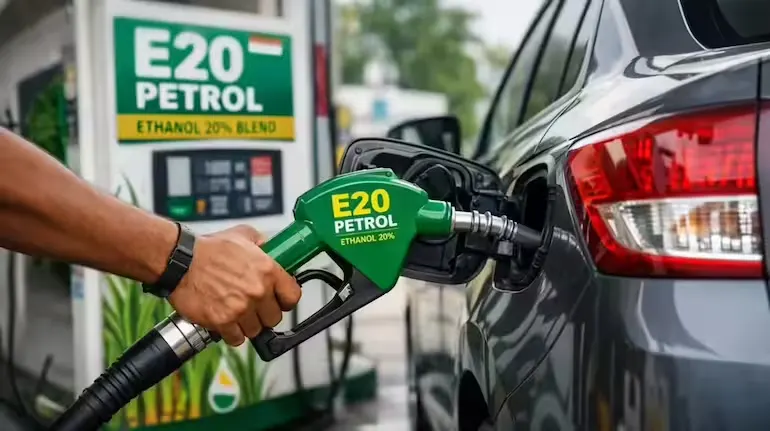
The introduction of E20 petrol could be essential in reducing India’s reliance on imported crude oil, according to Om Prakash Sinha, the Director of Exploration at ONGC. Sinha made these comments on Monday during the curtain-raiser event for India Energy Week (IEW) 2027, held at the ONGC Institute of Reservoir Studies in Ahmedabad, which was linked virtually to the main ceremony in Kolkata.

Sinha acknowledged the challenges posed by E20 petrol but emphasised that technological advancements could mitigate these concerns. “E20 petrol is a challenge, but with technology, there will also be a solution,” he stated. He emphasised that a successful blending of ethanol at 20 per cent could substantially affect the nation’s import figures.

He noted that India currently imports approximately 90 per cent of its crude oil. By introducing a blend that integrates ethanol effectively without creating difficulties for consumers, the country could significantly reduce its oil import dependence. “If we can successfully blend ethanol at 20 per cent without causing any difficulties to consumers, then you can understand how significant the reduction in imports would be and how much it would increase our self-reliance,” Sinha explained.

Addressing Energy Challenges in India

Sinha highlighted the pressing energy needs of India, which is identified as having the world’s highest incremental energy requirements. This situation makes events such as IEW crucial for discussing the nation’s energy demands, challenges, and potential solutions. He emphasised that the ongoing conflict in West Asia has made countries reconsider their foreign energy dependencies, signalling a shift towards more self-reliance.

“He remarked, “Because of the war, every country today understands that we should reduce our dependence on foreign countries as much as we can.” According to Sinha, keeping multiple energy sourcing options is vital for ensuring national energy security and stability.

In this context, he also indicated ONGC’s commitment to enhancing domestic energy production. The organisation is concentrating on exploring less-traditional energy sources, including deepwater reserves. This initiative aligns with India’s broader objective of diminishing its reliance on international energy supplies while bolstering its energy security.”

ONGC’s Strategic Focus on Domestic Exploration

To further these goals, ONGC is directing its efforts towards frontier areas of energy exploration that are yet to be fully developed or tapped. This strategic shift aims not only to boost domestic oil production but also to position India as a key player in the energy sector while advancing its energy independence agenda.

Sinha’s assertions reinforce the importance of domestic energy initiatives in the light of fluctuating global oil markets and geopolitical tensions. By advancing technology that supports the blending of higher ethanol content in fuels, ONGC seeks to facilitate a transition that will positively impact both the economy and energy security in India.

With the global energy landscape evolving rapidly, initiatives like the adoption of E20 petrol may play a pivotal role in shaping India’s energy future, ensuring that the country moves towards a more sustainable and self-reliant energy model.”

Long or Short, get news the way you like. No ads. No redirections. Download Newspin and Stay Alert, The CSR Journal Mobile app, for fast, crisp, clean updates!

App Store –  https://apps.apple.com/in/app/newspin/id6746449540 

Google Play Store – https://play.google.com/store/apps/details?id=com.inventifweb.newspin&pcampaignid=web_share

Latest News

Popular Videos
