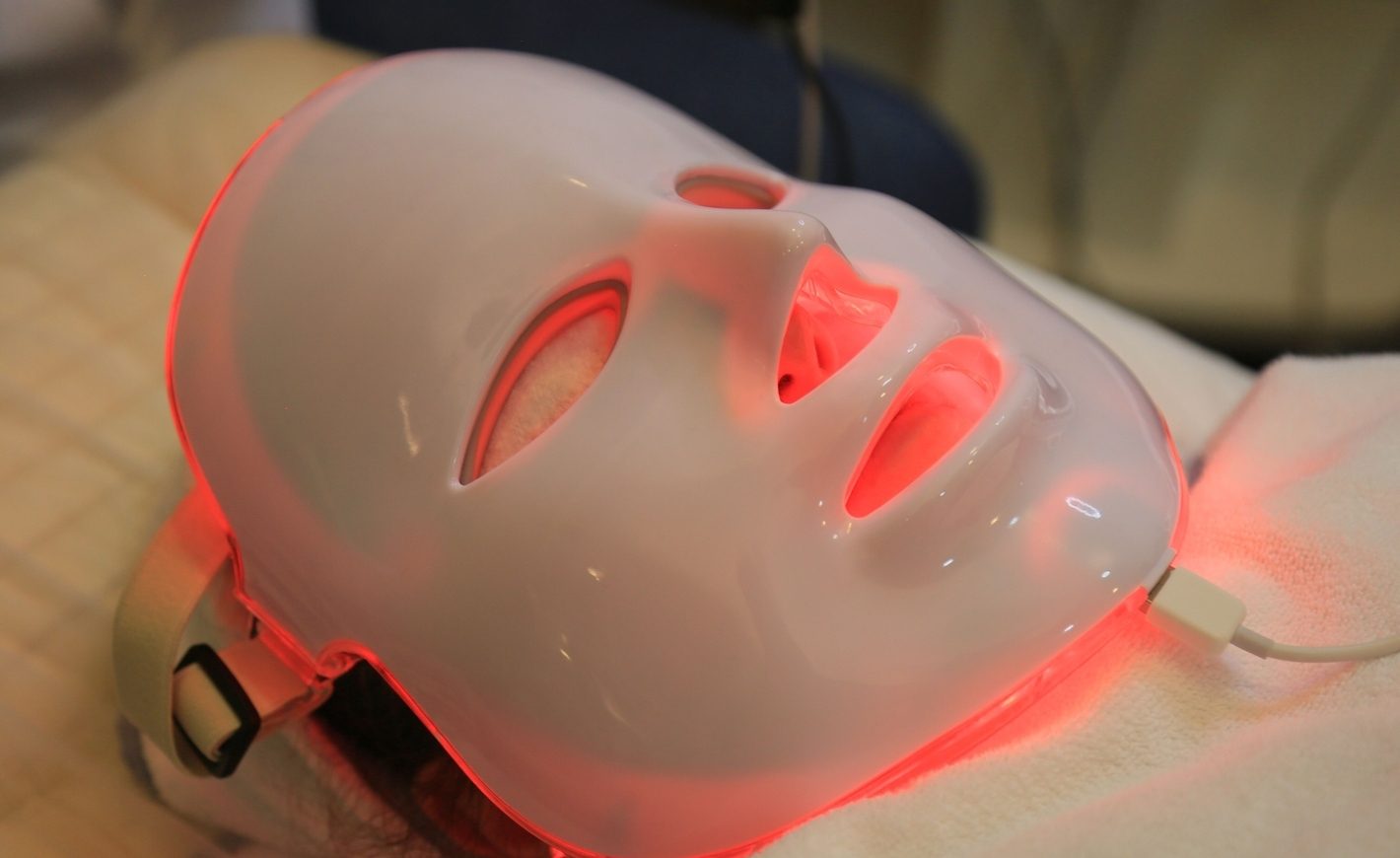
Investing in an LED face mask or skincare gadget is a consideration many individuals are making today. These devices have gained popularity and are expected to remain relevant in the skincare industry for years to come. According to Dr Geetika Mittal Gupta, founder and medical director of ISAAC Luxe, these gadgets can offer significant clinical benefits for skin health.
LED face masks are non-invasive, UV-free devices that utilise specific light wavelengths to induce cellular changes in the skin without causing damage. Initially designed for clinical use, these masks are now widely available for home application. However, it is essential to understand the different light wavelengths and their respective advantages, as not every wavelength is suitable for every individual.
Dr Gupta emphasises the importance of consulting a healthcare professional before using these devices, particularly for individuals on photosensitivity medications or those who are pregnant. A patch test is also recommended to ensure skin compatibility.
Benefits of Different Light Wavelengths
Each light wavelength in LED face masks serves a unique purpose. For instance, red light, which operates between 630-660 nanometers, targets the upper layers of the skin. It stimulates fibroblasts and promotes collagen production, leading to a gradual smoothing of fine lines. However, individuals with pigment-prone skin are advised to avoid red and near-infrared light.
Near-infrared light, ranging from 830-850 nanometers, penetrates deeper into the skin, aiding in the reduction of fine lines over time. This wavelength stimulates cellular energy production, which is crucial for tissue repair and skin firmness. On the other hand, blue light, approximately 415 nanometers, is effective for surface-level issues such as acne by targeting the bacteria responsible for inflammatory breakouts. However, it is not recommended for people with melasma or deeper skin tones, as it may exacerbate hyperpigmentation.
Dr Gupta notes that while the technology behind these devices is promising, consistent and correct usage is vital for achieving noticeable results. Regular use, typically three to five times a week for 10 to 20 minutes, can lead to improvements in skin texture and condition over a period of six to eight weeks.
Safety Considerations When Using Skincare Devices
When selecting an LED face mask, it is crucial to prioritise quality and safety. Consumers should be wary of high price tags and ensure that the device is FDA-cleared and suitable for their specific needs. Avoiding cheap, uncalibrated devices is also advisable to ensure effective treatment.
Eye safety is another critical consideration. Dr Gupta warns that near-infrared light is invisible to the human eye, meaning it does not trigger the natural reflexes of blinking or pupil constriction. Additionally, blue light can cause retinal stress and eye strain if directly exposed. To mitigate these risks, individuals should keep their eyes closed and wear protective goggles that come with the device.
This article serves as an informational resource and is not a substitute for professional medical advice. Individuals with questions regarding their skin health or the use of skincare devices should consult their healthcare provider for tailored guidance.
Long or Short, get news the way you like. No ads. No redirections. Download Newspin and Stay Alert, The CSR Journal Mobile app, for fast, crisp, clean updates!