


app-store-logo
play-store-logo
March 12, 2026

Delivery Orders Plummet for Swiggy and Zomato Amid Gulf War
The CSR Journal Magazine

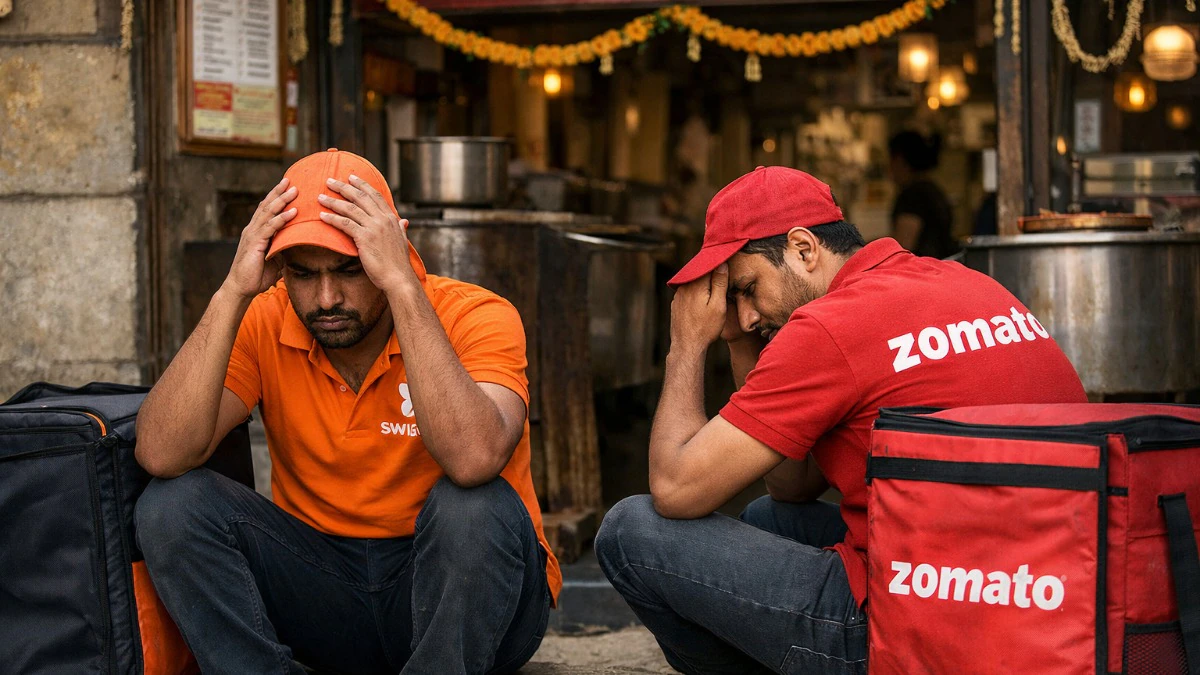
The ongoing conflict in the Gulf region, particularly the war involving Iran, has significantly affected the availability of cooking gas. This shortage has impacted both households and restaurants, leading to a dramatic reduction in food delivery services. Workers associated with popular food delivery platforms, Swiggy and Zomato, have reported a steep decline in daily orders. Previously, these workers would handle an average of around 30 deliveries per day; however, this number has now dropped to a mere five. This shocking decrease has created a substantial strain on their ability to earn a living.

Consequences for Delivery Workers

The drastic reduction in order volume poses severe challenges to the livelihood of delivery personnel working for these major platforms. Many of these workers rely heavily on their daily income, and the current situation has left them struggling to meet basic financial obligations. The reduction in orders not only affects their earnings but also stresses the overall food delivery ecosystem, which has been a crucial support system for consumers in urban areas. Delivery workers are facing an unprecedented crisis as the ongoing geopolitical tensions continue to disrupt local economies.

Operational Challenges for Food Delivery Platforms

Food delivery companies like Swiggy and Zomato are grappling with operational challenges stemming from this situation. With fewer orders coming in, the platforms are adjusting their logistics and workforce management strategies to mitigate losses. The reduced demand necessitates a reevaluation of their operational costs, workforce requirements, and delivery infrastructure. Maintaining service quality while navigating the economic downturn poses a complex challenge for these companies amidst rising concerns about the sustainability of their business models in these trying times.

Broader Economic Implications

The ramifications of the Gulf conflict extend beyond just the delivery services, impacting the broader food industry. Restaurants are experiencing a downturn in revenue as they struggle to attract customers due to the cooking gas shortage. Many dining establishments rely on gas for food preparation, and with limited resources, they may be forced to reduce hours or even close temporarily. This downturn is echoed across various segments of the food supply chain, causing a ripple effect that threatens jobs and economic stability in the sector.

Looking Ahead in Uncertain Times

The persistence of geopolitical tensions in the Gulf region raises concerns about the future trajectory of the food delivery industry in India. As the situation develops, the resilience of both delivery platforms and their workforce will be tested. Stakeholders within the industry, including restaurant owners and delivery workers, are hoping for a swift resolution to the ongoing crisis. The potential for recovery hinges on stabilizing supply chains, ensuring the availability of essential resources, and restoring consumer confidence in food delivery services. While the immediate future remains uncertain, the impact of these challenges will resonate throughout the industry for the foreseeable future.

Long or Short, get news the way you like. No ads. No redirections. Download Newspin and Stay Alert, The CSR Journal Mobile app, for fast, crisp, clean updates!

App Store –  https://apps.apple.com/in/app/newspin/id6746449540 

Google Play Store – https://play.google.com/store/apps/details?id=com.inventifweb.newspin&pcampaignid=web_share

Latest News

Popular Videos
