


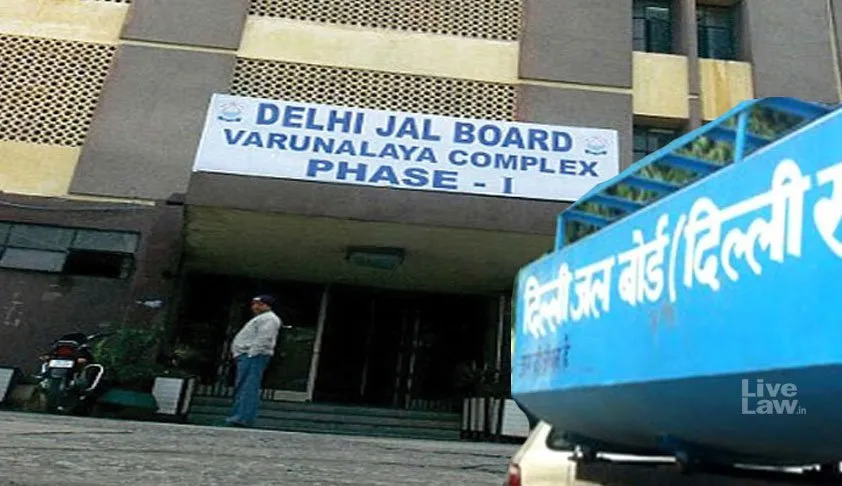
Delhi Jal Board Approves ₹17,970 Crore Sewer Overhaul and Water Supply Projects
The CSR Journal Magazine

The Delhi Jal Board (DJB) has announced a significant initiative aimed at transforming the management of water and sewerage services in the capital. This includes the proposed approval of a ₹17,969.93 crore, ten-year plan focused on overhauling the city’s sewer maintenance framework. The new strategy will implement a ‘One Zone, One Operator’ model, partitioning Delhi into eight operational zones.

Under this model, every zone will have a single operator accountable for managing the entirety of the sewer infrastructure, including sewer lines, manholes, and pumping stations. This approach shifts the current focus from reactive repairs prompted by complaints to a proactive maintenance system characterised by planned inspections and real-time monitoring using a central command centre.

The initiative aims to integrate advanced technologies for 100 per cent mechanical and robotic sewer cleaning, thereby enhancing operational efficiency and accountability. DJB officials emphasised the importance of clearly defining responsibilities within the new system to ensure that issues are promptly addressed.

Comprehensive Enhancements to Water Supply Infrastructure

In addition to the sewer management reforms, the DJB has also approved a ₹6,044.05 crore project dedicated to improving South Delhi’s water supply infrastructure. This extensive project will affect 247 square kilometres across 12 Assembly Constituencies, benefiting approximately 2,44,381 domestic users.

The planned enhancements include the installation of smart meters, bulk flow meters, and pressure sensors to facilitate precise metering and real-time water quality monitoring. The overarching goals are to ensure a reliable water supply, eliminate contamination, and reduce non-revenue water losses to below 15 per cent.

Minister Parvesh Sahib Singh highlighted the importance of using technology not only for infrastructure development but also for enhancing visibility into water distribution and identifying areas of loss. This holistic approach is intended to make the water supply system more accountable and effective.

Investment in Sewage Treatment and Yamuna Rejuvenation

To bolster sewage treatment capabilities and promote the rejuvenation of the Yamuna River, the DJB plans to initiate tenders for constructing 13 new Sewage Treatment Plants (STPs) with a total capacity of 328 million gallons per day (MGD). The estimated cost for this initiative is ₹7,373 crore, which will be funded through the National Mission for Clean Ganga (NMCG).

Furthermore, a decentralised STP at Nayabans in Narela, with a capacity of 5.5 MGD, has already been assigned a budget of ₹123.23 crore. Minister Singh reiterated the critical need to halt untreated sewage from entering drainage systems and stressed the importance of expanding treatment facilities as a vital part of water management.

The Wazirabad Water Supply Project, which has faced delays in the past, has been revitalised with an administrative approval for approximately ₹1,214.58 crore. This package encompasses the construction of a new 80 MGD water treatment plant and the rehabilitation of an existing facility, aimed at enhancing overall capacity and operational efficiency.

New Regulatory Framework and Future Initiatives

The DJB has also established the Delhi Water & Sewer (Tariff and Metering) Regulations, 2026, which will replace the previous guidelines from 2012. This new regulatory framework will simplify water and sewer connections, rationalise charges, and enhance digital service offerings, including proposed rebates for households implementing rainwater harvesting.

Additionally, a budget of ₹65.49 crore has been allocated for the reconstruction of 25 Water Emergency Centres across Delhi, ensuring these facilities are modern and digitally capable. The organisation is also advancing its Rainwater Harvesting Policy, 2026, which seeks to connect groundwater recharge methods with effective flood management practices.

The comprehensive set of measures is aimed not only at improving the water and sewerage infrastructure during normal conditions but also ensuring robust systems are in place during emergencies or adverse weather, thereby enhancing the overall resilience of Delhi’s water management system.

Long or Short, get news the way you like. No ads. No redirections. Download Newspin and Stay Alert, The CSR Journal Mobile app, for fast, crisp, clean updates!

App Store –  https://apps.apple.com/in/app/newspin/id6746449540 

Google Play Store – https://play.google.com/store/apps/details?id=com.inventifweb.newspin&pcampaignid=web_share

Latest News

Popular Videos
