


Delhi Court Acquits Four Accused in Woman’s Dowry Death Case
The CSR Journal Magazine

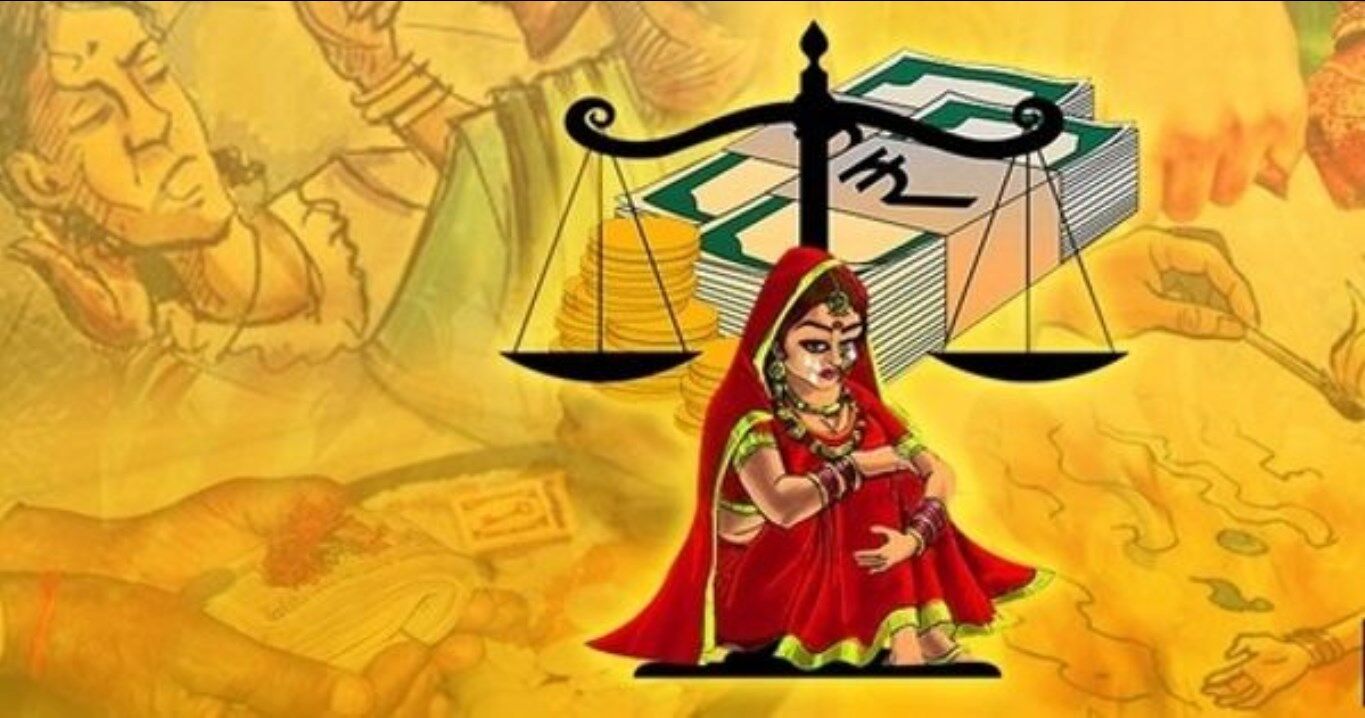
A Delhi court has acquitted four individuals, including a man, his parents, and a relative, of charges related to the dowry death and abetment of suicide of a 20-year-old woman. The court determined that the prosecution did not provide sufficient evidence to demonstrate that the woman had experienced dowry-related cruelty shortly before her death or that the accused had instigated her to take her own life.

These findings were made by Principal District and Sessions Judge Hemani Malhotra during the proceedings involving the woman’s husband, Arshad Malik, his father Islamuddin, his mother Firdos, and relative Ayyub Malik.

Delhi Court’s Rationale

In an order issued on October 31, the court stated that the prosecution failed to establish any mens rea or direct involvement from the accused in instigating the woman’s suicide. The judge remarked that the charge under Section 306 of the Indian Penal Code (IPC) could not be upheld solely based on the unfortunate circumstances surrounding the woman’s death or the alleged matrimonial disputes.

The court emphasised that the prosecution must prove essential elements of the offences beyond reasonable doubt, which it failed to do in this instance. The deceased, identified as Sheeba Malik, was discovered hanging at her parental residence in Jamia Nagar, South Delhi, on August 25, 2018.

She had married Arshad in November 2016 but had been living with her parents shortly after the marriage. The prosecution claimed that Sheeba faced harassment over dowry and that her husband and in-laws had made derogatory remarks about her character. It was also alleged that Arshad’s remarriage in July 2018 had caused her significant mental distress.

According to the prosecution, Arshad had allegedly warned Sheeba over the phone that if she returned to her matrimonial home, she would be treated like a servant and receive a meagre payment of ₹200-400. However, the court noted that Sheeba’s mother had become hostile during her testimony and retracted her earlier statements. Additionally, her father provided inconsistent accounts regarding crucial details, including claims of dowry demands and cruelty.

Evidence Presented

While a handwriting expert confirmed that Sheeba authored the suicide note, the judge stated that this alone could not serve as definitive evidence against the accused. The court observed that the prosecution had not sufficiently established that any dowry-related harassment occurred in close proximity to her death, a necessary condition for invoking the statutory presumption under the law.

On the matter of abetment of suicide, the court concluded that the prosecution had not demonstrated any positive or direct actions by the accused that would indicate they intentionally aided Sheeba in taking her life. The judge pointed out that neither the alleged phone conversation nor Arshad’s second marriage could independently substantiate claims of abetment.

The court’s ruling highlights the necessity for clear and compelling evidence in cases involving serious allegations such as dowry death and abetment of suicide. The acquittal of the accused underscores the challenges faced by the prosecution in proving such cases beyond reasonable doubt, as established by the judicial system.

Long or Short, get news the way you like. No ads. No redirections. Download Newspin and Stay Alert, The CSR Journal Mobile app, for fast, crisp, clean updates!

App Store – https://apps.apple.com/in/app/newspin/id6746449540

Google Play Store – https://play.google.com/store/apps/details?id=com.inventifweb.newspin&pcampaignid=web_share

Latest News

Popular Videos
