


Cuba’s National Grid Completely Collapses, Nearly 10 Million in Darkness
The CSR Journal Magazine

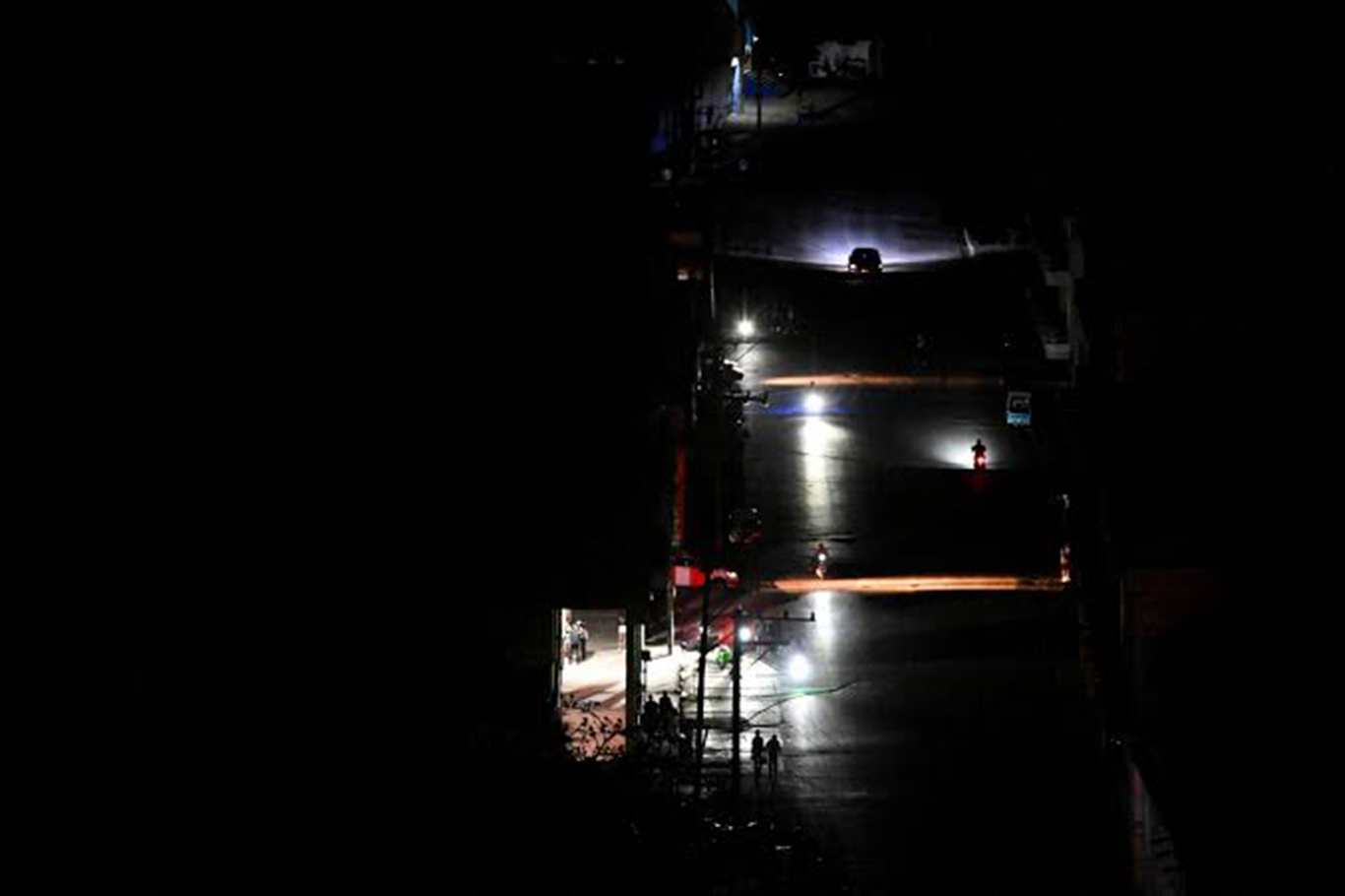
The recent collapse of Cuba’s national power grid has left nearly 10 million residents without electricity. This incident occurred marking one of the most significant power failures in recent memory. Reports indicate that the blackout affected all provinces, causing widespread disruption and leaving hospitals, schools, and businesses inoperable.

Initial assessments suggest that the outage was linked to a combination of ageing infrastructure and natural factors. The state electricity company, Unión Eléctrica, stated that various transmission lines experienced severe faults, which led to the cascading failure of the national grid. Residents across the island reported that the lights went out suddenly, leaving them in total darkness.

This blackout comes at a time when the country is already grappling with ongoing energy shortages and economic difficulties. Residents are accustomed to sporadic power cuts, but this incident has raised significant concerns about the reliability of the national electricity supply.

Government Response and Measures

In response to the blackout, the Cuban government has announced emergency measures to restore power. Authorities have mobilised repair teams to assess the damage and make immediate repairs to the affected transmission lines. The government has promised transparency regarding the situation and has called on citizens to remain patient during the restoration efforts.

Cuban President Miguel Diaz-Canel held an emergency meeting with key energy officials to discuss the steps needed for recovery. The government is considering implementing temporary solutions, such as deploying backup generators to critical facilities, including hospitals and emergency services, to mitigate the impact of the outage on public health and safety.

The government has also initiated a campaign to inform the public about the situation through state media and social platforms. In addition, officials are set to evaluate long-term solutions to enhance the resilience of the national power grid, which has been a frequent source of complaint among citizens.

Impact on Daily Life

The blackout has disrupted daily life significantly, with food preservation and water supply becoming pressing concerns. Many households rely on electric refrigeration, and the loss of power means perishable goods are at risk of spoiling. Furthermore, the lack of electricity has halted water pumping stations, leaving many residents without access to potable water.

Public transport systems have also been affected, with buses and trains experiencing delays or cancellations due to the power loss. Commuters have faced difficulties in reaching their destinations, which has raised frustrations among the populace. The prevailing conditions have prompted calls for government accountability regarding the state of the island’s utilities.

In the aftermath of the blackout, community solidarity has increased, as neighbours come together to share resources and provide support. Many have turned to social media to share updates, organise assistance, and advocate for necessary government intervention. This incident highlights the resilience of the Cuban people in challenging times, despite the significant adversities they face.

Long or Short, get news the way you like. No ads. No redirections. Download Newspin and Stay Alert, The CSR Journal Mobile app, for fast, crisp, clean updates!

App Store –  https://apps.apple.com/in/app/newspin/id6746449540 

Google Play Store – https://play.google.com/store/apps/details?id=com.inventifweb.newspin&pcampaignid=web_share

Latest News

Popular Videos
