


Congress Sticks to Singing Two Stanzas of Vande Mataram at Goa Event
The CSR Journal Magazine

The controversy surrounding the full rendition of Vande Mataram persists, as the Congress party continues to sing only the first two stanzas of this national song. This decision comes despite a recent legislative mandate requiring the full version to be performed. The ongoing debate highlights differing interpretations of national symbols within political contexts.

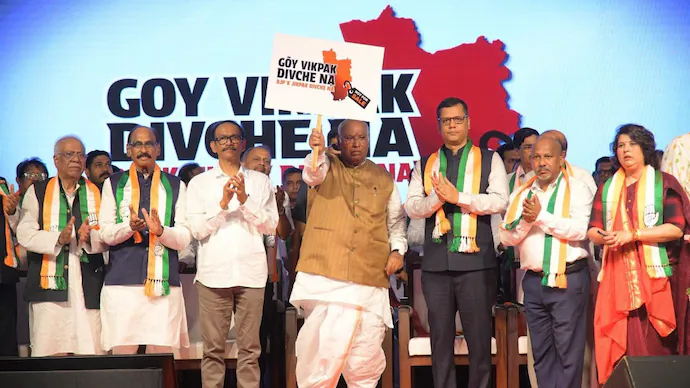
At a party event held in Goa on August 17, 2026, Congress president Mallikarjun Kharge was present when only the initial two stanzas were performed. This choice appears to reflect the Congress party’s enduring stance on the issue. It suggests a deliberate decision not to adhere to the new legal requirements established regarding the national song.

Sources have indicated that this move may signify the party’s intention to uphold its current position, marking a continued resistance to the full rendition. The implications of this ongoing decision extend beyond mere performance; they resonate within broader discussions about national identity and the responsibilities of political organisations.

Political Reactions to the Decision

The reaction to the Congress’s adherence to singing just the two stanzas has prompted various responses from political representatives across the spectrum. Supporters of the full rendition have voiced disappointment, claiming that the party’s actions undermine patriotic sentiment. Conversely, defenders of the Congress stance argue that the choice reflects their commitment to historical context and interpretation of national symbols.

Politicians from opposing parties have publicly scrutinised the Congress’s decision, framing it as an example of a reluctance to evolve with changing national sentiments. These dynamics showcase how the performance of national songs can become a focal point for broader political debates.

This situation has prompted discussions among political analysts regarding the implications of such decisions for party image and voter perception. The nuanced relationship between national symbols and political ideologies continues to be a topic of considerable interest, as parties negotiate their positions amid changing societal expectations.

Congress’s Historical Stance on National Symbols

The Congress party’s historical approach towards national symbols, including Vande Mataram, has been complex and multifaceted. Over the years, the party has navigated various interpretations of national identity, often reflecting a broader commitment to cultural pluralism. This perspective contrasts with more rigid views held by some factions within the political landscape.

In light of the recent law mandating the full version of Vande Mataram, the Congress’s decision to limit its singing raises questions about the future of such national symbols in political contexts. The diminishing engagement with the entirety of the song may be perceived as a departure from conventional practices, leading to conversations about what these symbols represent for different communities.

As the landscape of Indian politics continues to evolve, the Congress party’s ongoing stance on Vande Mataram remains a critical element in its public narrative. The ongoing dialogue underscores the importance of understanding and respecting diverse interpretations of national identity, which are key to unifying and diverse societies in contemporary India.

Long or Short, get news the way you like. No ads. No redirections. Download Newspin and Stay Alert, The CSR Journal Mobile app, for fast, crisp, clean updates!

App Store –  https://apps.apple.com/in/app/newspin/id6746449540 

Google Play Store – https://play.google.com/store/apps/details?id=com.inventifweb.newspin&pcampaignid=web_share

Latest News

Popular Videos
