


Sadhguru Explains the Power of Chanting During Navratri
The CSR Journal Magazine

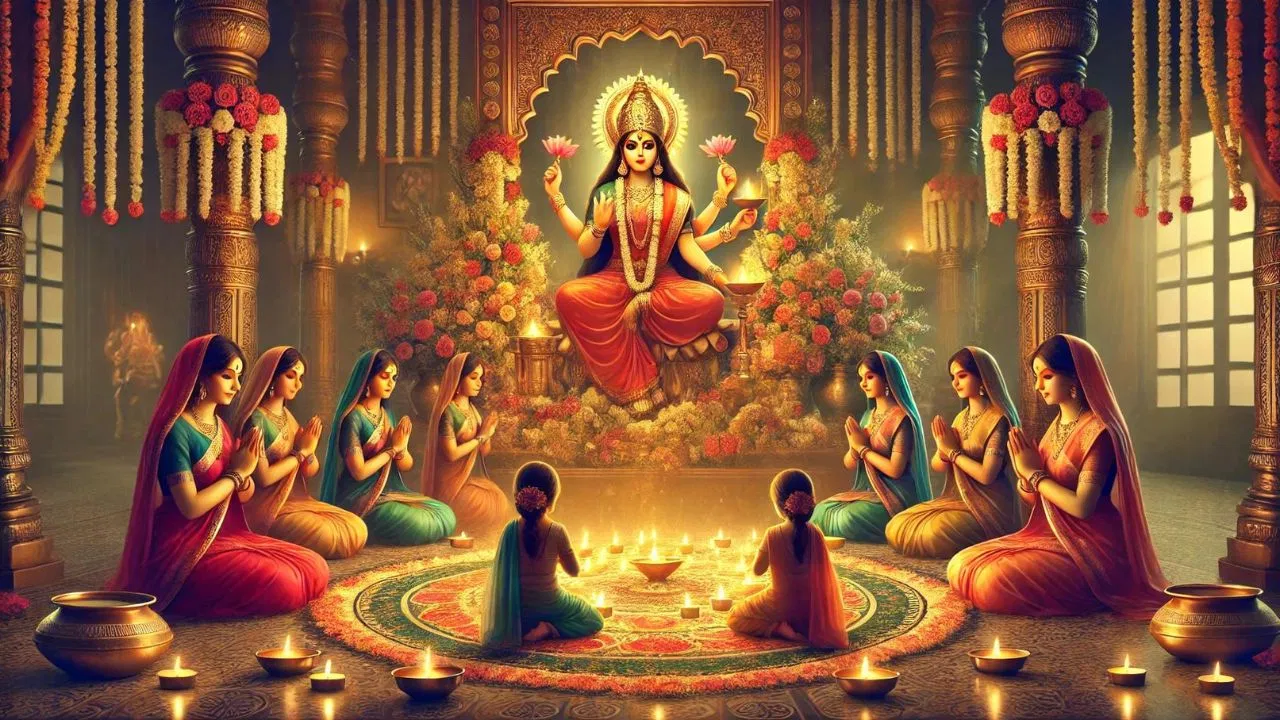
Navratri is a significant period for many devotees, marking a time dedicated to prayer, chanting, and spiritual practices aimed at enhancing their connection with the Divine Feminine. This nine-day festival, celebrated across India, is an opportunity for individuals to engage more deeply with their spirituality. Sadhguru’s recent teachings shed light on the deeper meanings associated with the festival, particularly regarding the practice of chanting.

In an article released on September 18 by the Isha Foundation, Sadhguru elaborates on the importance of honouring the Divine Feminine during Navratri. He discusses how the festival is linked to various qualities of existence, represented through different forms of Devi. This exploration encourages devotees to reflect on their spiritual practices beyond mere repetition of chants.

As devotees prepare to observe Navratri this October, Sadhguru’s insights provide a framework for understanding the significance of their intentions and focus during these rituals. Rather than fixating solely on the number of repetitions, practitioners are encouraged to consider the quality of their engagement with the chants.

The Role of Chanting in Spiritual Practice

Chanting is a fundamental aspect of many spiritual traditions, involving the repetition of sacred names, mantras, or prayers. For countless devotees, this practice serves as a means to centre the mind, express devotion, and establish a routine for prayer. During the festival of Navratri, worshippers celebrate various manifestations of the Divine Feminine, each representing unique attributes.

Sadhguru explains that Navratri encompasses three dimensions traditionally symbolised by the deities Durga, Lakshmi, and Saraswati. These figures correspond to different life qualities: action, well-being, and knowledge. By engaging in chanting, devotees can create a moment of mindfulness that allows them to step back from their daily routines and focus on the prayer itself, rather than hurrying through the words.

The effectiveness of chanting is influenced by the practitioner’s approach. If one is preoccupied with counting repetitions, it may hinder their ability to connect with the essence of the chant. Conversely, by slowing down and immersing themselves in the meaning of the words, individuals can transform their chanting into a more meaningful and intentional practice.

Guidelines for Chanting During Navratri

The Isha Foundation provides specific recommendations for participants engaging in Navratri Sadhana, particularly concerning the Linga Bhairavi Stuti. The guidance suggests that individuals can chant the Stuti three, six, nine, or eleven times. It is recommended to complete eleven cycles daily, with each cycle encompassing all 33 names of Devi.

These guidelines are tailored for this specific practice and should not be interpreted as a universal standard applicable to all forms of chanting or worship during Navratri. Each devotee may choose their own approach based on personal preference and spiritual understanding.

To enhance the meaningfulness of chanting during Navratri, individuals can adopt a simple routine that aligns with their daily life. This includes selecting a mantra, designating quiet time for practice, comprehending the words of the prayer, maintaining a steady pace, and reflecting on their thoughts and feelings after the chanting session.

By following these steps, devotees can cultivate a more profound connection to their spiritual practice, allowing the festival of Navratri to be a time of genuine reflection and devotion.

Long or Short, get news the way you like. No ads. No redirections. Download Newspin and Stay Alert, The CSR Journal Mobile app, for fast, crisp, clean updates!

App Store – https://apps.apple.com/in/app/newspin/id6746449540

Google Play Store – https://play.google.com/store/apps/details?id=com.inventifweb.newspin&pcampaignid=web_share

Latest News

Popular Videos
