


Amit Shah’s Zero-Casualty Mission: India Gears Up for Monsoon Mayhem & Scorching Heat Waves
The CSR Journal Magazine

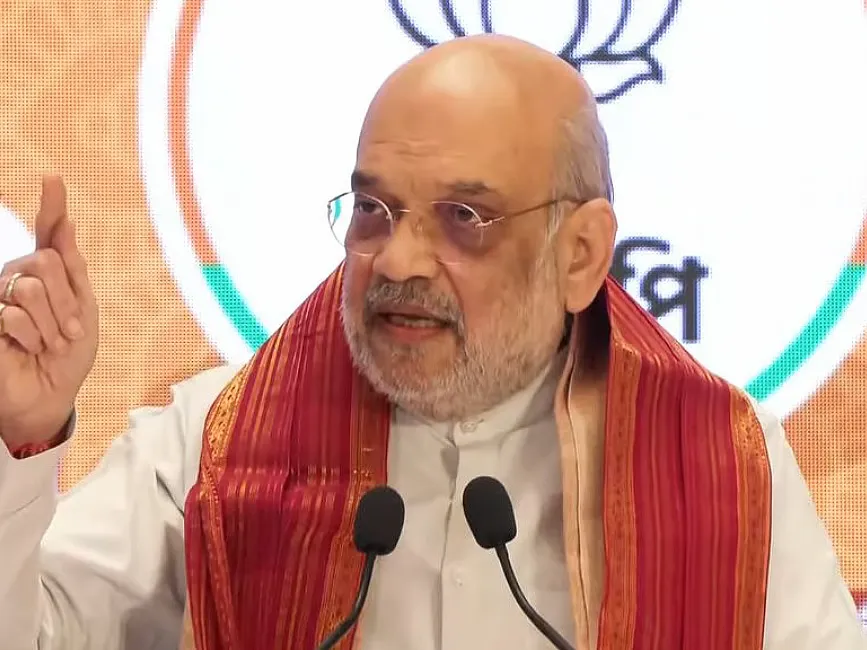
Union Home Minister Amit Shah has emphasised the necessity for a cohesive flood forecasting mechanism at both national and state levels. This appeal was made during a high-level meeting held on May 10, in New Delhi, where Shah reviewed the country’s readiness to respond to potential floods and heat waves. The meeting aimed to analyse current protocols and identify areas for improvement.

Shah called for the inclusion of at least 60 lakes in an initiative to develop a comprehensive early warning system focused on 30 high-risk lakes located across Jammu and Kashmir, Ladakh, Uttarakhand, Himachal Pradesh, Arunachal Pradesh, and Sikkim. This initiative would be supported by the National Disaster Management Authority (NDMA).

During his address, Shah insisted on the formation and activation of Flood Crisis Management Teams (FCMTs) in every state. He noted that the NDMA’s guidelines for managing disasters have enhanced public awareness. However, he stressed that ongoing reviews of compliance across various levels of governance could further strengthen these measures.

Focus On Water Conservation Measures

Shah placed significant emphasis on the necessity of water conservation strategies. He proposed the exploration of opportunities to enhance groundwater levels through initiatives such as water storage projects and the construction of check dams. The intention, according to the Home Minister, is to promote sustainable water use while simultaneously mitigating the impacts of heat waves.

He mentioned that the CAMPA fund could be utilised more effectively to support efforts to maintain environmental balance, thereby addressing the multifaceted challenges posed by climate change. In addition, Shah advocated for the creation of a master plan aimed at responding to shifts in weather patterns, indicating a rise in disaster-related incidents linked to these changes.

Shah called for improved methodologies in disseminating weather forecasts and warnings, urging that these materials be communicated broadly to ensure public awareness. He advised officials to enhance existing applications and portals rather than developing new ones, thereby fostering a streamlined approach to information sharing.

Reviewing Monsoon Preparedness

The Union Home Minister also highlighted the importance of refining monsoon assessments. He suggested that analyses of casualties during the monsoon season, along with forecast accuracy and the repercussions on the agriculture sector, should be undertaken to contribute to improved planning.

Shah acknowledged the collaborative efforts exhibited by the various ministries and departments involved in disaster management during the meeting. He emphasised the need for weather-related strategies to reach local communities, proposing that initiatives be driven by a ‘whole of government’ and ‘whole of society’ approach.

The meeting was attended by several key figures, including Union Jal Shakti Minister C R Patil, the Union Home Secretary, and senior officials from various ministries and departments, as well as members of the NDMA and the India Meteorological Department. This gathering marked an annual review of pre-flood readiness, with several initiatives already implemented under Shah’s guidance, such as extending the advance forecasting period for rainfall and flood predictions from three to seven days.

Long or Short, get news the way you like. No ads. No redirections. Download Newspin and Stay Alert, The CSR Journal Mobile app, for fast, crisp, clean updates!

App Store –  https://apps.apple.com/in/app/newspin/id6746449540 

Google Play Store – https://play.google.com/store/apps/details?id=com.inventifweb.newspin&pcampaignid=web_share

Latest News

Popular Videos
