


Trump Rules Out Extending Ceasefire With Iran, Calls Deal A Better Option
The CSR Journal Magazine

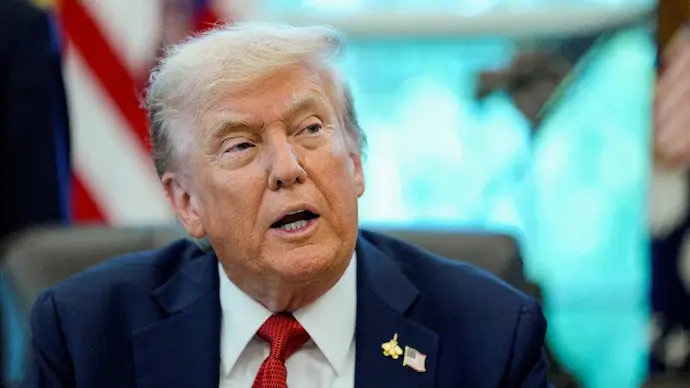
US President Donald Trump has stated that he does not intend to extend the current ceasefire with Iran. His remarks were made during an interview with ABC News Chief Washington Correspondent Jonathan Karl on Wednesday. Trump indicated that he considers a more permanent agreement with Iran to be a more preferable outcome than merely renewing the ceasefire.

Negotiations and Upcoming Talks

The President’s statements come amid ongoing fragile diplomatic efforts for lasting peace in West Asia. As Washington and Tehran prepare for a second round of peace talks in Islamabad, the first round recently concluded without significant progress on critical issues. Notably, Iran’s nuclear programme remains a major point of contention that complicates negotiations.

During the interview, Trump reflected on the potential end of the ceasefire, saying, “It could end either way, but I think a deal is preferable because then they can rebuild.” This emphasis on a more durable solution highlights the complexities surrounding regional stability and security.

The upcoming discussions in Islamabad are expected to focus on several pressing issues, including Iran’s nuclear ambitions, which have been a significant sticking point. Analysts suggest that these negotiations will play a crucial role in shaping future US-Iran relations.

Context of US-Iran Relations

The US and Iran have had a tumultuous relationship for decades, marked by periods of heightened tension and attempts at diplomatic engagement. The ceasefire that Trump has chosen not to extend was originally aimed at easing hostilities while exploring potential avenues for peace. However, the lack of a comprehensive agreement has left both sides in a precarious position.

Experts on Middle Eastern politics emphasise that the Middle East has long been a volatile region, with various geopolitical interests at play. The stakes are particularly high for the US, which seeks to counterbalance Iranian influence in the region. Iran’s nuclear developments have raised alarms in Washington and among its allies, prompting calls for a solidified response.

The approach that Trump is advocating seems to suggest a shift away from temporary measures and towards resolving underlying issues through a more formal deal. Such a strategy, however, presents its own challenges as it requires concessions from both sides, which have historically been difficult to achieve.

Implications for Regional Stability

Trump’s rejection of an extended ceasefire in favour of a more permanent deal signifies the ongoing complexities surrounding US-Iran negotiations. The outcome of these discussions could have far-reaching implications for the stability of the region and the approach of other nations toward Iran.

As the situation develops, both US and Iranian officials will need to navigate a landscape filled with competing interests and historical grievances. The successful conclusion of the anticipated talks in Islamabad may hinge on both sides’ ability to find common ground on fundamental issues.

The developments in US-Iran relations will continue to attract global attention, particularly from countries in the region that are directly impacted by any agreements reached between Washington and Tehran. The next few weeks could play a defining role in shaping the future dynamics of the Middle East.

Long or Short, get news the way you like. No ads. No redirections. Download Newspin and Stay Alert, The CSR Journal Mobile app, for fast, crisp, clean updates!

App Store –  https://apps.apple.com/in/app/newspin/id6746449540 

Google Play Store – https://play.google.com/store/apps/details?id=com.inventifweb.newspin&pcampaignid=web_share

Latest News

Popular Videos
