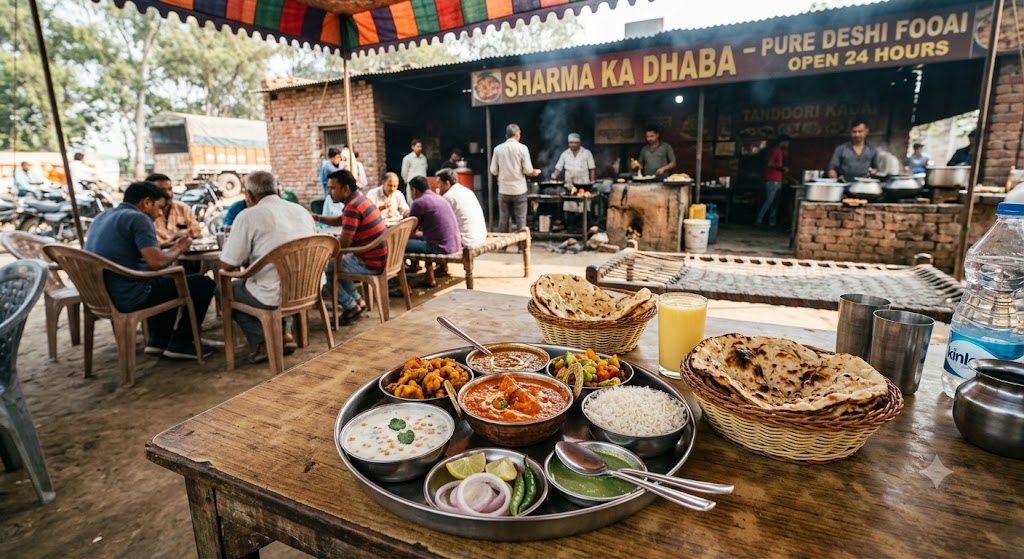
Why North Indian Cuisine Tastes Different at Home, Dhabas and Restaurants

The CSR Journal Magazine

The taste of North Indian cuisine can vary significantly depending on the preparation location, whether it is at home, in a dhaba, or at a restaurant. Despite sharing the same recipe name, the ingredients, cooking techniques, and even the utensils used can lead to distinct flavours and textures. This diversity emerges mainly because North Indian culinary traditions are not constrained by singular recipes but instead embrace a spectrum of practices influenced by individual preferences and local customs.

Home-Cooked North Indian Food

Home-cooked North Indian meals often reflect the personal taste preferences of the family rather than adhering to standardised recipes typical of restaurants. Ingredients such as oil, ghee, spices, and seasonings can be adjusted according to familial traditions and dietary habits. Families focus on meals tailored for everyday consumption, meaning that dishes such as dal or vegetable curry are prepared to complement staples like roti and rice rather than being intended as standalone gourmet offerings.

Moreover, the methodologies employed in home kitchens often incorporate family-specific spice combinations and cooking styles. This variability ensures that two households producing the same dish, such as palak paneer, may yield outcomes that are markedly different in flavour and aroma, reflecting the unique culinary legacy of each family.

In essence, home cooking prioritises comfort and familiarity, resulting in meals that resonate deeply with individual and familial identity. Thus, the same dish may evoke different memories and sensations based on the environment and methods used in the kitchen.

The Distinctive Flavour of Dhaba Food

Dhabas, or roadside eateries, have become synonymous with a certain robust and hearty style of North Indian cuisine. The distinct taste associated with dhaba food is primarily attributable to specific cooking methods, particularly the use of the tandoor, a clay oven known for generating intense heat. This method imparts a unique texture and smoky flavour to breads like naan and tandoori roti, which is challenging to replicate on conventional home stoves.

Additionally, dhabas typically offer a variety of dishes rooted in Punjabi and North Indian culinary traditions, showcasing staples such as dal makhani and rich gravies. Although there is a variability among modern dhabas, they usually share common principles centred around generous serving sizes, freshly baked breads, and bold flavours, contributing to their widespread popularity.

The cuisine served at dhabas is often designed for stamina and sustenance, catering specifically to travellers and workers looking for hearty meals at affordable prices. As a result, dhaba food creates an experience that embodies local culture and hospitality.

The Culinary Approach of Restaurants

In contrast, North Indian restaurants typically strive for consistency in taste, aiming to cater to a broad audience. This often results in dishes characterised by richer gravies, balanced spices, and finishing touches such as butter and cream. Restaurant classics like butter chicken usually involve multi-phase cooking processes, incorporating tandoor-cooked chicken that is subsequently simmered in a decadent tomato-based sauce enriched with butter and cream.

Restaurants also benefit from specialised equipment, including advanced tandoors and extensive cooking vessels that enable them to approach cooking with techniques distinct from those employed in a standard home kitchen. This distinction allows for flavour profiles and presentation styles that align with restaurant standards, making the dining experience unique.

The culinary approach in restaurants not only serves to create visually appealing dishes but also enhances the overall dining experience, where ambience and service play significant roles. This structured environment contributes to the perception of North Indian cuisine in urban settings.

Understanding the ‘Real’ North Indian Taste

Determining the ‘real’ North Indian taste is complex, as the cuisine encompasses a diverse array of regional cooking styles and family traditions. Variations in cooking methods, ingredients, and equipment lead to different interpretations of the same dish. The next time one experiences variations in a common dish such as dal or paneer across home, dhaba, and restaurant settings, it reflects the rich tapestry of North Indian culinary practices and does not imply the superiority of any single version.

Long or Short, get news the way you like. No ads. No redirections. Download Newspin and Stay Alert, The CSR Journal Mobile app, for fast, crisp, clean updates!

App Store –  https://apps.apple.com/in/app/newspin/id6746449540 

Google Play Store – https://play.google.com/store/apps/details?id=com.inventifweb.newspin&pcampaignid=web_share

Latest News

Popular Videos