


Trump Signs Bill Targeting Russian Energy Buyers, Tariffs Could Reach 100% for India
The CSR Journal Magazine

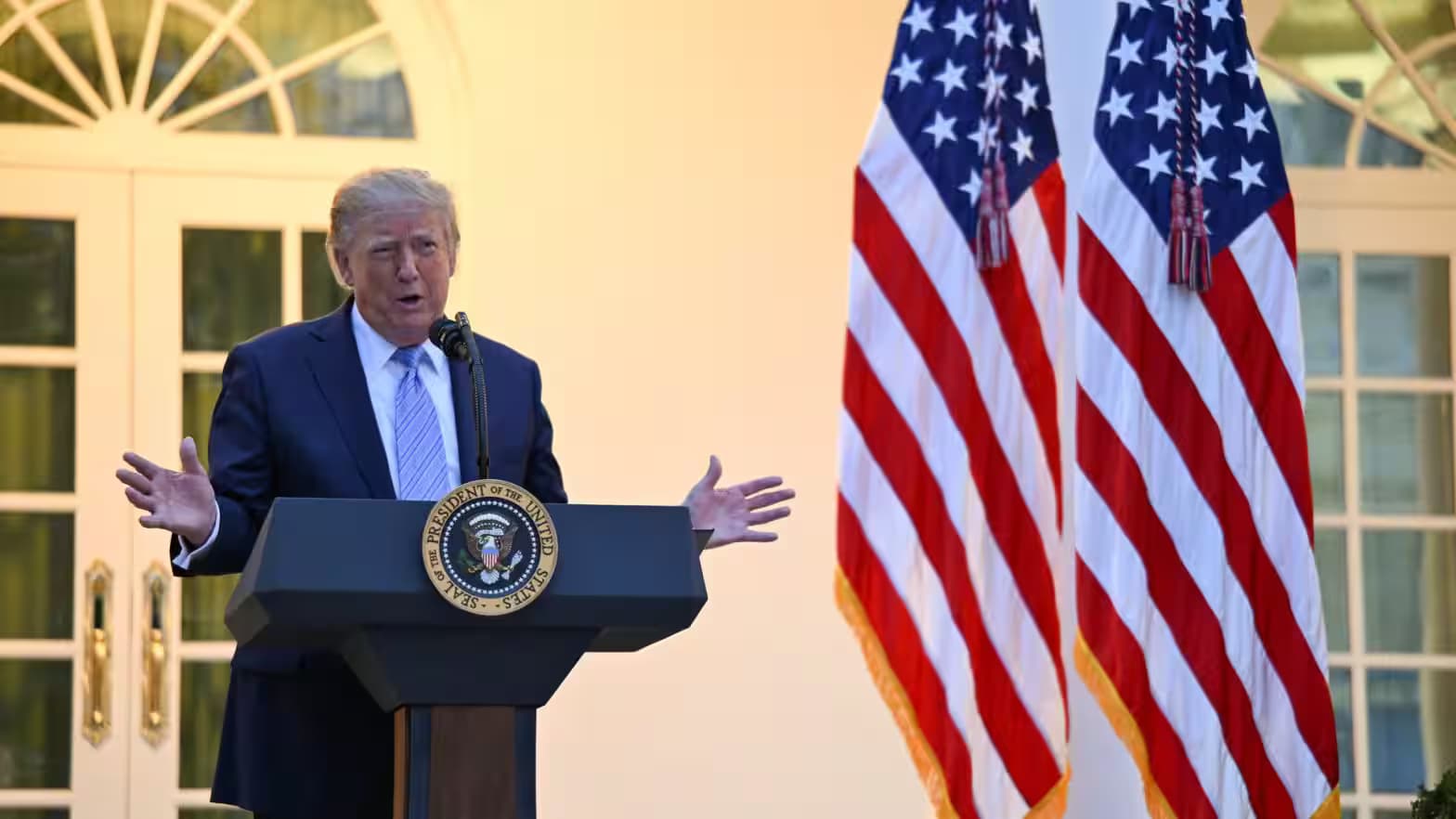
US President Donald Trump on Friday signed into law a Russia sanctions bill that gives his administration sweeping new powers to impose tariffs of up to 100% on countries purchasing Russian oil and gas, potentially putting major buyers such as India and China in the crosshairs.

Under the legislation, Trump is required to impose tariffs of up to 100% within 30 days on goods imported into the US from the five largest importers of Russian crude oil or gas. The law also covers countries that knowingly make new purchases of Russian oil or gas after it takes effect, as well as nations that rank among the top five countries helping Russia evade sanctions.

Broad Tariff Powers Under New Law

India and China are among the biggest buyers of Russian oil, but the legislation does not identify specific countries that could be targeted. It also does not clearly spell out how the lists of the five largest importers or top countries assisting Russia in evading sanctions will be calculated.

The lack of clarity leaves the Trump administration with considerable discretion in deciding which countries could ultimately face the additional tariffs. For India, the legislation could pave the way for steep duties on goods entering the US, although the immediate impact remains uncertain.

Analysts have said Trump could be reluctant to use the powers aggressively if doing so risks increasing consumer prices and energy costs ahead of the November midterm elections.

The bill, which was passed by Congress on Wednesday, targets Russia’s energy and defence sectors as well as its “shadow fleet” of tankers accused of helping Moscow circumvent sanctions.

At the same time, the legislation gives Trump the authority to waive tariffs or sanctions on national security grounds, providing the administration with flexibility over how the new powers are used.

Trump agreed in July to move forward with the legislation after it had faced delays for more than a year. US officials had backed its passage to provide Trump with additional leverage ahead of his planned meeting with Chinese President Xi Jinping next week, according to congressional sources.

White House legislative director James Braid said the legislation represents the first time in nearly 40 years that Congress has granted new tariff authorities to the executive branch.

Uncertainty For India

The broad scope of the legislation has raised questions over which countries could eventually be affected. Jeannette Chu, vice president of the National Foreign Trade Council, said assessments varied over the countries that could face tariffs, with India, Brazil, Japan and countries in the European Union among those being discussed.

India has warned that additional US tariffs could affect bilateral ties, while China has opposed what it described as “long-arm jurisdiction” without a basis in international law.

Critics of the legislation have argued that its broad language gives the president excessive discretion. Lawyer Laura Brank said the powers granted to the president could be abused because of the breadth of the authority.

The conservative Foundation for Defense of Democracies, however, has argued that the bill provides sufficient criteria for determining which countries could be targeted and does not create a back door for imposing tariffs unrelated to Russian sanctions.

Midterm Elections Add To Tariff Timing Concerns

The timing of any tariffs could add to the economic and political sensitivity surrounding the legislation. The duties would have to be announced within 30 days, potentially placing their implementation close to the November midterm elections.

Tariffs on countries buying Russian energy could affect oil supplies and potentially push energy prices higher, adding to inflationary pressures in the US.

Since returning to office in January 2025, Trump has imposed tariffs of up to 50% on more than 80 countries. The Supreme Court has struck down many of those measures, ruling that Trump had exceeded his authority.

Legal challenges to tariffs imposed under the new Russia sanctions law could prove more difficult because Congress has explicitly authorised the duties.

The legislation also allows Trump to waive tariffs or sanctions on national security grounds, giving the administration significant control over how and when the new powers are applied.

“The definitions are vague and the president has kind of a get-out-of-jail-free card in the form of a waiver,” Reuters quoted Ben Harris, a former senior Treasury Department official under former President Joe Biden, as saying.

Long or Short, get news the way you like. No ads. No redirections. Download Newspin and Stay Alert, The CSR Journal Mobile app, for fast, crisp, clean updates!

App Store –  https://apps.apple.com/in/app/newspin/id6746449540 

Google Play Store – https://play.google.com/store/apps/details?id=com.inventifweb.newspin&pcampaignid=web_share

Latest News

Popular Videos
