


TN Unveils Battery Storage Policy to Become Country’s Premier Green Energy Hub
The CSR Journal Magazine

The Tamil Nadu government has officially launched the Tamil Nadu Battery Energy Storage Systems Policy, 2026, aiming to enhance grid stability and promote the transition to clean energy. This initiative was announced through a notification from the energy department and is designed to position the state as a leading hub for battery storage in India. The policy was made public on Tuesday and sets a target of deploying at least 2.5 GW of battery storage capacity, equivalent to 10 GWh, throughout its operational period.

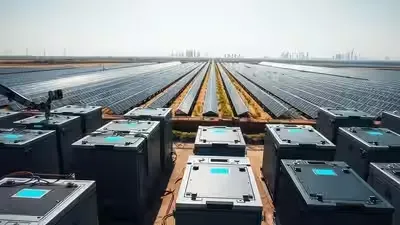
Under the guidance of the Tamil Nadu Green Energy Corporation Limited, the policy seeks to address challenges associated with variable renewable energy generation. By optimising grid operations and reducing power curtailment, it aims to ensure a more stable energy supply. The strategy includes storing excess electricity during periods of low demand, particularly utilising solar energy, and releasing this stored power during times of peak demand.

The framework offers clear pathways for both standalone battery installations and projects that are co-located with existing renewable energy facilities. This dual approach is intended to maximise the benefits of battery storage in enhancing energy security across the state.

Mandatory Integration of Battery Storage

As part of the new policy, all new solar and hybrid energy projects exceeding 1 MW, which are commissioned from April 2027 onwards, will be required to incorporate battery storage capacity. This capacity must be at least 10 per cent of the sanctioned layout, with a continuous discharge duration of four hours. This requirement is aimed at ensuring that new projects contribute to the overall stability and reliability of the energy grid.

In a bid to encourage early adoption of this policy, the Tamil Nadu government has introduced a complete waiver of transmission and wheeling charges for eligible projects. This waiver will be in effect for a period of ten years and is applicable only to projects that are commissioned within the designated policy window. Furthermore, the energy discharged from these projects must be utilised within the state to qualify for these incentives.

The introduction of these incentives is expected to alleviate financial burdens on developers and stimulate private investment in battery storage solutions. This approach aligns with the government’s goal of fostering a robust renewable energy ecosystem in Tamil Nadu.

Compliance and Safety Measures

The policy also emphasises the importance of safety, environmental, and cybersecurity compliance. Stringent protocols have been established to protect critical infrastructure and ensure responsible management of battery lifecycles. This includes the adoption of domestically developed Energy Management Systems, which are designed to enhance operational efficiency and safety standards.

By implementing these comprehensive measures, the Tamil Nadu government aims to reinforce its leadership position in renewable energy integration and enhance long-term grid resilience. The policy reflects a commitment to sustainable energy practices and aims to create a more reliable and efficient energy landscape in the state.

Overall, the Tamil Nadu Battery Energy Storage Systems Policy, 2026, represents a significant step towards achieving the state’s clean energy goals. Through strategic investments and regulatory frameworks, Tamil Nadu is poised to become a key player in India’s transition to a greener energy future.

Long or Short, get news the way you like. No ads. No redirections. Download Newspin and Stay Alert, The CSR Journal Mobile app, for fast, crisp, clean updates!

App Store – https://apps.apple.com/in/app/newspin/id6746449540

Google Play Store – https://play.google.com/store/apps/details?id=com.inventifweb.newspin&pcampaignid=web_share

Latest News

Popular Videos
