


Telangana Pregnant Woman Transported on Bullock Cart Due to no Ambulance
The CSR Journal Magazine

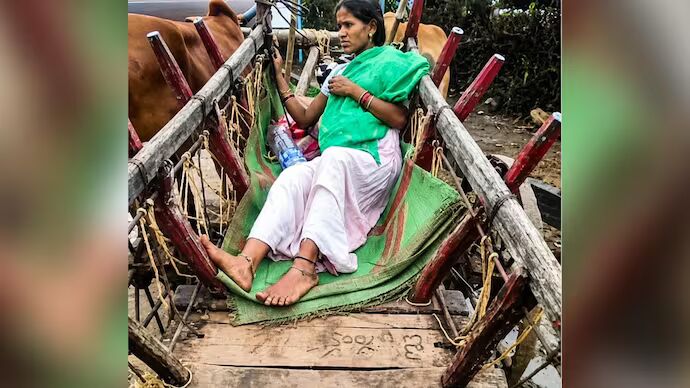
A pregnant woman in the Kumuram Bheem Asifabad district of Telangana was carried on a bullock cart to an awaiting ambulance, which could not reach her hamlet due to challenging road conditions following heavy rain. The incident occurred when Karishma went into labour on September 8, 2026. Her family quickly contacted the 108 emergency ambulance service, but the vehicle was unable to continue on the muddy approach road to her village.

The ambulance managed to arrive at Marepalli but could not proceed further due to the steep decline of the road, which was rendered impassable by the rainfall. Given the urgency of the situation, family members and local villagers organised a bullock cart to transport Karishma through the adverse terrain to the location where the ambulance was stationed.

Upon arrival at the ambulance, she was subsequently taken to Wankidi Government Hospital. Fortunately, Karishma delivered a healthy baby girl there, with both mother and child reportedly in safe condition.

Challenges of Accessing Emergency Healthcare

This event has brought to attention the significant obstacles faced by residents in remote tribal communities, particularly in accessing emergency healthcare during the monsoon season. Villagers have disclosed that the rain often creates muddy conditions on local roads, inhibiting the passage of ambulances and other vehicles. As a result, those facing medical emergencies frequently rely on bullock carts, makeshift stretchers, or other improvised methods to reach more accessible routes.

This incident is reminiscent of a similar case that took place in August 2026 within the same district. On that occasion, a pregnant woman named Kodapa Rameshwari was transported on a makeshift stretcher across a swollen stream after downpours blocked road access to her village. Following her transport, she received attention at a health centre before being referred to Asifabad for further medical care.

Such events underscore ongoing issues related to the infrastructure in remote areas where rain can effectively isolate communities from essential services. The families in these regions often find themselves facing serious challenges during emergencies, prompting reliance on alternatives that might not be adequate for timely medical intervention.

Need for Improved Road Connectivity

The recurring nature of these incidents raises pressing questions about the adequacy of road connectivity and the availability of timely emergency medical services in remote tribal regions of the district. As monsoon season can significantly hinder transport, it becomes crucial for local authorities to address the infrastructural shortcomings that leave communities vulnerable during critical times.

Residents and health officials have called for enhanced road development initiatives to ensure that urgent medical services can be accessed regardless of weather conditions. Improved infrastructure might mitigate the need for unconventional transport methods and enable faster responses in medical emergencies.

The incidents highlight the necessity for sustained efforts to improve transportation links leading into remote villages to guarantee that emergency healthcare reaches those in need without delay. Addressing these issues is vital for the welfare of the residents living in these underserved areas of Telangana.

Long or Short, get news the way you like. No ads. No redirections. Download Newspin and Stay Alert, The CSR Journal Mobile app, for fast, crisp, clean updates!

App Store –  https://apps.apple.com/in/app/newspin/id6746449540 

Google Play Store – https://play.google.com/store/apps/details?id=com.inventifweb.newspin&pcampaignid=web_share

Latest News

Popular Videos
