


Supreme Court Shields Punjab Officials From CBI Coercion in Graft Probe
The CSR Journal Magazine

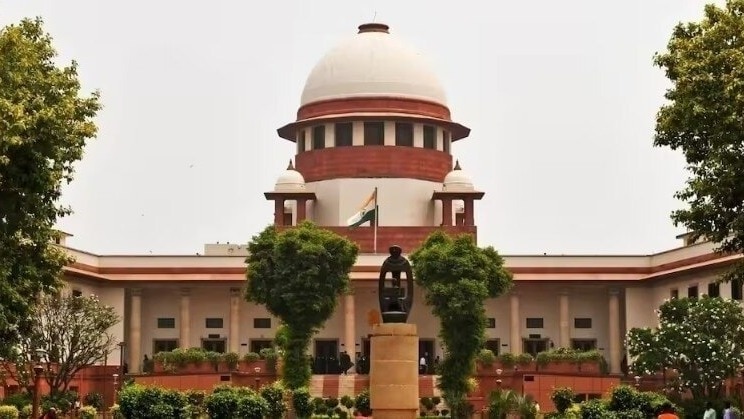
The Supreme Court has issued an order preventing the Central Bureau of Investigation (CBI) from taking coercive measures against individuals associated with the Punjab government amid ongoing corruption allegations. This ruling was made on last Monday, during the consideration of a petition put forth by the Punjab government that challenged a previous directive from the Punjab and Haryana High Court.

The High Court had mandated the CBI to investigate allegations surrounding senior officials and was required to submit a report within a two-month timeframe. However, the Supreme Court clarified that while it is not staying the First Information Report (FIR), it has prohibited any coercive actions from being executed at this stage.

This bench, composed of Justices MM Sundresh and PB Varale, has served notices to various parties, including the Centre and the CBI, as part of its ongoing proceedings. Senior advocates Vikas Singh and Sidharth Luthra represented the interests of the Punjab government in this matter.

Background Of The Corruption Allegations

The High Court had also mandated that the Punjab Police and the government turn over all relevant documents related to these allegations to the CBI, further deepening the inquiry into the corruption claims. The Punjab government, however, contested this order, asserting that it involved procedural errors and misinterpretations of existing laws.

Among the arguments presented, the Punjab government contended that the High Court’s judgement misapplied Section 66(2) of the Prevention of Money Laundering Act, which reportedly suggested that information shared therein necessitated a formal investigation, thus contradicting the Supreme Court’s ruling from 2022 in the Vijay Madanlal Choudhary case.

Legal Ramifications Of The High Court Order

In its challenge, the Punjab government emphasised that the High Court’s directions could adversely affect decisions made by public officials regarding transfers, tenders, and policy implementations. They indicated that such decisions required prior approval, as outlined in Section 17A of the Prevention of Corruption Act. The Punjab government argued that the High Court did not appropriately consider the legal limitations affecting the investigation of serving officers.

While the Supreme Court’s recent intervention effectively provides temporary relief to those linked to the Punjab government, the FIR remains intact, signalling ongoing legal proceedings. The complexities of this case indicate significant legal ramifications for state officials as the investigation unfolds.

Overall, the legal measures taken by the Supreme Court highlight the delicate balance between accountability in governance and the protection of public officials’ rights amidst allegations of corruption. The decision serves as a pivotal moment in the ongoing discourse surrounding transparency and governance in the Punjab state administration.

Long or Short, get news the way you like. No ads. No redirections. Download Newspin and Stay Alert, The CSR Journal Mobile app, for fast, crisp, clean updates!

App Store –  https://apps.apple.com/in/app/newspin/id6746449540 

Google Play Store – https://play.google.com/store/apps/details?id=com.inventifweb.newspin&pcampaignid=web_share

Latest News

Popular Videos
