


Sridhar Vembu Discusses PM Modi’s Forex Caution Amidst 7.8% GDP Growth
The CSR Journal Magazine

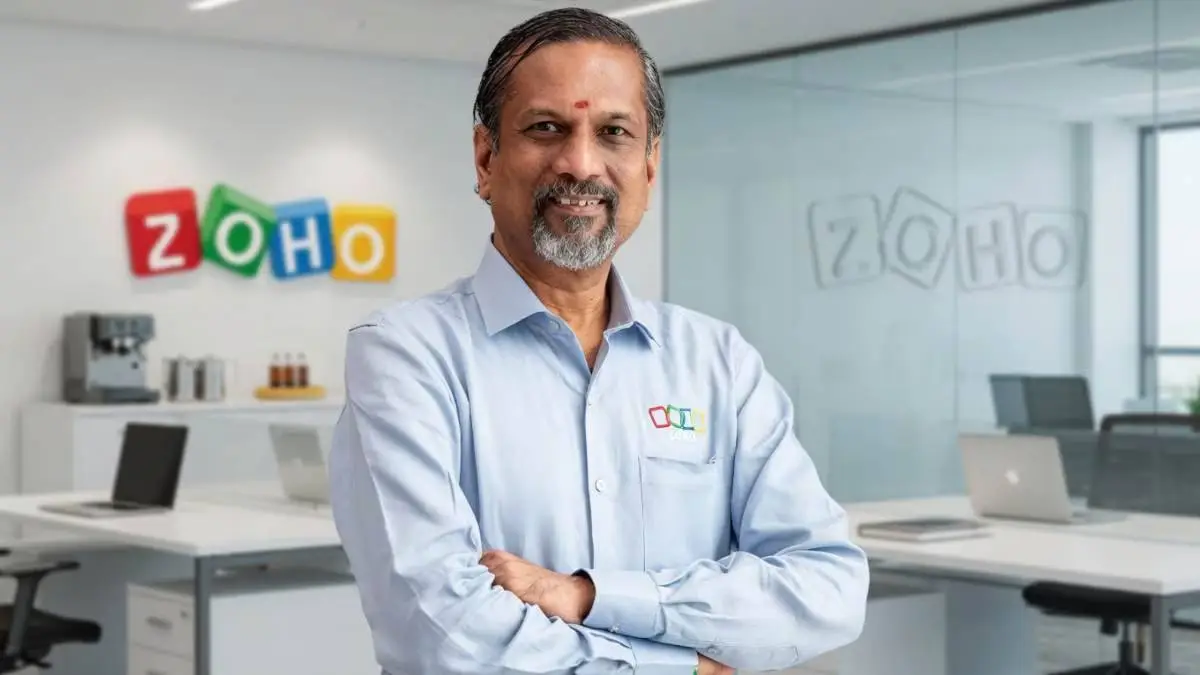
India has reported a GDP growth of 7.8 per cent for the April-June quarter. In light of this achievement, Sridhar Vembu, the founder of Zoho, has raised concerns about the prudent management of foreign exchange reserves. Vembu highlighted that despite the positive economic indicators, Prime Minister Narendra Modi has advised citizens against spending on international travel, purchasing gold, and hosting weddings abroad.

This advice has led to questions about the underlying economic dynamics. Vembu explained that India’s economic growth is occurring alongside a significant reliance on imports. He pointed out that the country continues to need foreign supplies for critical sectors, including energy and technology. As economic activities ramp up, the demand for these imports rises, further complicating the financial landscape.

Furthermore, while India is increasing its exports, Vembu noted that these exports often rely on imported components such as precision machinery, CPUs, GPUs, and advanced software. This interplay between imports and exports raises concerns about the stability of foreign exchange reserves, especially in a rapidly growing economy.

Dependence on Imported Technology and Energy

Vembu stressed that developing domestic capabilities in technology and energy production will take considerable time. He referenced the experiences of various East Asian economies, including Japan and South Korea, which underwent phases of rapid growth while simultaneously working to conserve and optimise foreign exchange reserves.

He suggested that India is currently in a similar situation, focusing on building its technological expertise and striving for greater energy independence. Vembu remarked on the significant time frames required for countries like Taiwan and China to catch up with Western economies, even as they maintained strict controls over foreign exchange utilisation.

The need to conserve foreign exchange, according to Vembu, will likely persist until India can establish a robust technological ecosystem and develop its capacity for renewable energy. He asserted that once India achieves significant expertise in advanced technologies and attains energy independence, the necessity for such conservation will diminish.

GDP Growth and Modi’s Vision for Self-Reliance

Vembu’s comments came in the wake of Prime Minister Modi’s message regarding India’s latest GDP figures, wherein the Prime Minister reiterated his goal of an Atmanirbhar Bharat, or self-reliant India. Modi expressed his congratulations to the citizens for showing resilience and hard work, which he described as a reflection of collective strength. This announcement was made via an Instagram video while Modi was visiting Kyrgyzstan.

The latest economic statistics indicated that India’s economy had surpassed expectations with a GDP growth rate of 7.8 per cent. Modi highlighted the various global challenges that economies are currently facing, such as ongoing conflicts, supply chain disruptions, and lingering uncertainties stemming from the Covid-19 pandemic.

Drawing a parallel between India’s current foreign exchange situation and that of a rapidly growing company, Vembu suggested that India, like such a company, needs to prioritise the preservation of capital for future investments. He argued that in order to strengthen its economy, India must focus on developing capabilities that will ultimately reduce reliance on external technologies and energy supplies.

Long or Short, get news the way you like. No ads. No redirections. Download Newspin and Stay Alert, The CSR Journal Mobile app, for fast, crisp, clean updates!

App Store –  https://apps.apple.com/in/app/newspin/id6746449540 

Google Play Store – https://play.google.com/store/apps/details?id=com.inventifweb.newspin&pcampaignid=web_share

Latest News

Popular Videos
