


Samrat Chaudhary Expected to Succeed Nitish Kumar as Bihar Chief Minister
The CSR Journal Magazine

The imminent leadership change in Bihar is marked by Nitish Kumar’s anticipated resignation as Chief Minister. Reports indicate that Kumar is poised to step down on April 14, coinciding with a meeting of the NDA legislative party, which will convene to elect his successor. This marks the conclusion of Kumar’s extensive two-decade tenure in office.

Kumar is set to depart for New Delhi on Thursday, where he will take the oath of office as a Rajya Sabha MP the following day. This transition follows his resignation from the Bihar Legislative Council on March 30, signalling a decisive shift in his political journey.

The announcement of Kumar’s resignation came shortly after he won a Rajya Sabha seat on March 17, along with four other candidates from the National Democratic Alliance (NDA). Kumar, who has led the state for ten terms, expressed a long-held ambition to serve in both Houses of the Bihar Legislature as well as both Houses of Parliament.

Samrat Chaudhary’s Candidacy

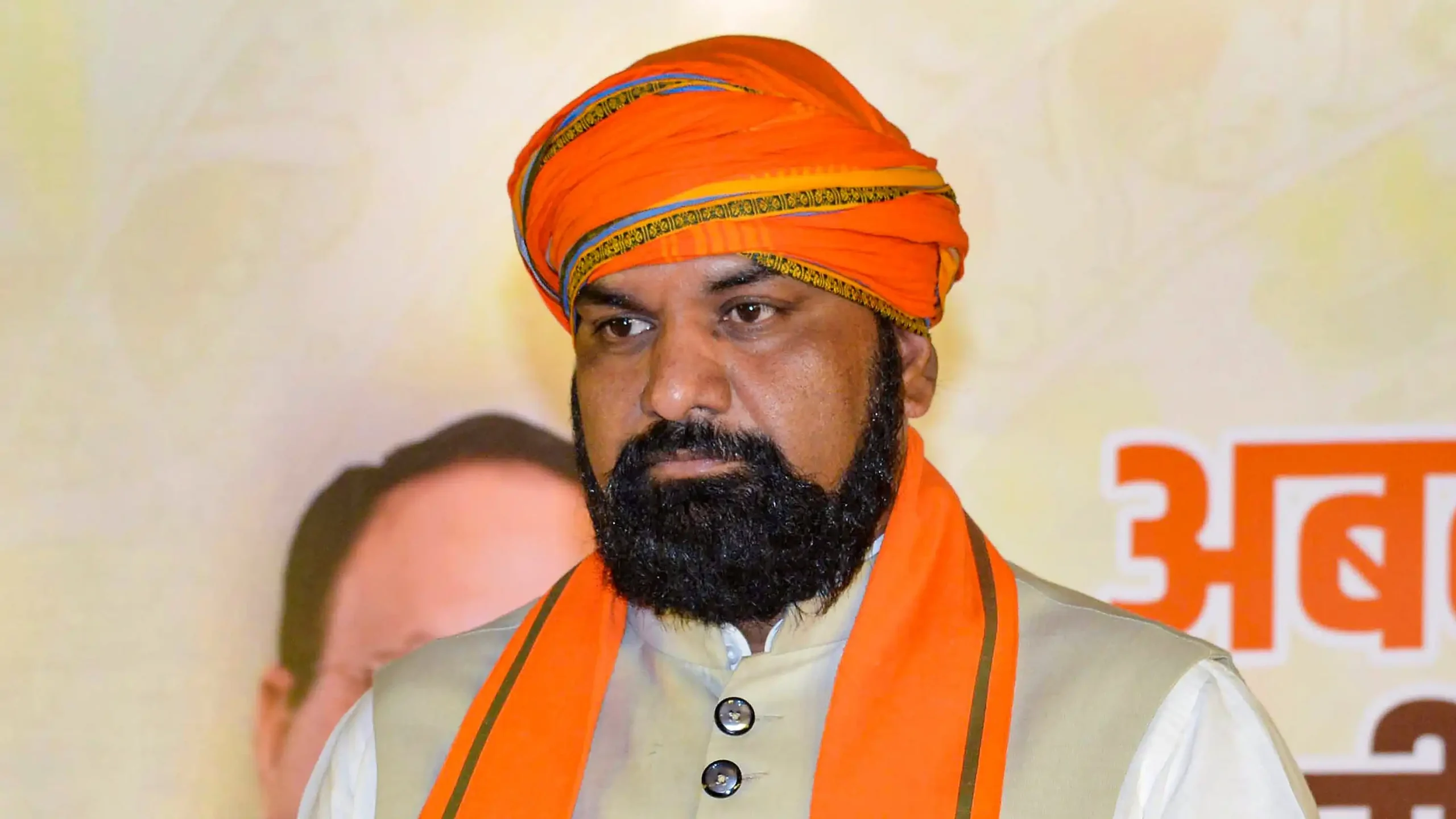
Current Deputy Chief Minister Samrat Chaudhary has emerged as the frontrunner to replace Kumar as Bihar’s Chief Minister. Sources familiar with the developments suggest that his leadership could herald a new chapter in the state’s governance. As a prominent figure in the NDA, Chaudhary’s transition to the chief ministerial role is viewed as a strategic move to maintain the political equilibrium in Bihar.

Chaudhary’s ascension is anticipated at a time when Bihar’s political landscape is undergoing significant changes. His experience within the government and party structures positions him well to navigate the challenges ahead. By aligning closely with the NDA’s objectives, Chaudhary is expected to uphold the partnership dynamics that have characterised the state’s political climate.

The leadership transition is likely to have wider implications for the cohesion of the NDA in Bihar, particularly in the context of Kumar’s exit. Political observers are keenly monitoring the dynamics between the Rajya Sabha appointments and state governance as Chaudhary prepares to assume office.

Political Reactions and Implications

Political responses to Kumar’s resignation have been varied, with particular attention drawn to the statements made by Tejashwi Yadav, the working president of the RJD. Yadav has alleged that Kumar was compelled to move to the Rajya Sabha owing to pressures from the BJP, which serves as JD(U)’s main coalition partner. Such assertions suggest underlying tensions within the NDA framework.

Yadav’s comments reflect wider concerns regarding the future of the JD(U) and its potential marginalisation within the alliance. He has proclaimed that the BJP is intent on diminishing the JD(U)’s relevance in the state’s political arena.

As Kumar transitions to the Upper House, several analysts predict that this move could lead to a reduction in his influence at the regional level. The dynamics within the NDA may shift as new leadership emerges, prompting speculation about how these changes could alter the political landscape in Bihar.

Long or Short, get news the way you like. No ads. No redirections. Download Newspin and Stay Alert, The CSR Journal Mobile app, for fast, crisp, clean updates!

App Store –  https://apps.apple.com/in/app/newspin/id6746449540 

Google Play Store – https://play.google.com/store/apps/details?id=com.inventifweb.newspin&pcampaignid=web_share

Latest News

Popular Videos
