


Poila Boishakh 2026 Celebrated On April 15
The CSR Journal Magazine

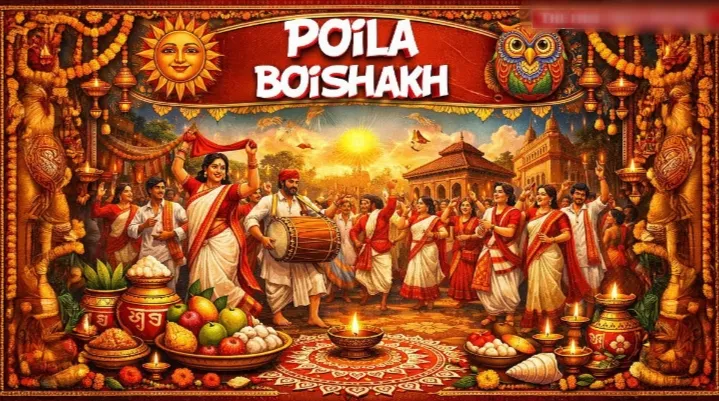
The Bengali New Year, known as Poila Boishakh, will be celebrated on April 15, 2026. This festival marks the commencement of the Bengali year 1433, bringing with it numerous cultural traditions and celebrations across different regions. It is observed predominantly in West Bengal, Tripura, Assam, and Bangladesh, signifying the first day of the Bengali calendar.

According to the Panchang, the auspicious moment of Sankranti, which indicates the solar transition, will occur around 09:39 on April 14. This timing is significant as it heralds the onset of the new Bengali year. The festivities typically commence at sunrise, adhering to traditional calendars and practices.

Understanding Poila Boishakh

Poila Boishakh, also referred to as Naba Barsha or Noboborsho, represents the first day of the Bengali calendar and holds cultural relevance for Bengali communities in both India and Bangladesh. The festival coincides with Mesha Sankranti, a celestial event marking the sun’s entry into the zodiac of Aries, which initiates a fresh solar cycle. Historical accounts suggest that the Bengali calendar has ancient origins, with connections to early rulers of the region.

The significance of Poila Boishakh transcends mere celebration; it embodies a collective sense of identity and cultural heritage among the Bengali populace. The day serves as a reminder of the rich traditions and customs passed down through generations, reinforcing community bonds and shared histories.

Additionally, the festival’s timing heralds seasonal changes, providing a cultural dimension that resonates with many individuals. It serves as an opportunity for renewal and reflection as communities prepare for the year ahead.

Cultural Celebrations and Traditions

The start of the financial year is also observed on this day, with businesses opening new account books in a ritual known as ‘Haal Khata’. This practice is thought to usher in a positive financial outlook for the year ahead. Culinary delights play a central role in the festivities, with families preparing special meals and sweets that accompany the celebrations.

Moreover, cities are enlivened with fairs, parades, and various community events that enhance the atmosphere of joy and togetherness. The lively ambience serves as a backdrop, encouraging active participation and making Poila Boishakh a significant marker of cultural identity for many.

Significance Of The Festival

Poila Boishakh extends beyond being just a date on the calendar; it signifies a cultural renaissance and a communal resetting of aspirations. The festival encapsulates the blend of tradition, family, and social unity, fostering hope for the forthcoming year. Such celebrations underscore the importance of cultural continuity and the deep connections shared among communities.

As the Bengali New Year approaches, Poila Boishakh acts as a reminder of deep-rooted ancestral customs, offering both personal and societal opportunities for renewal. The event encompasses a range of emotions and experiences, uniting people in a collective expression of their heritage.

Ultimately, Poila Boishakh remains a cherished occasion, reflecting the spirit of resilience, joy, and optimism that characterises the Bengali community. The festival is anticipated not just as the start of a new year, but as an essential aspect of the cultural landscape that enriches the lives of its participants.

Long or Short, get news the way you like. No ads. No redirections. Download Newspin and Stay Alert, The CSR Journal Mobile app, for fast, crisp, clean updates!

App Store –  https://apps.apple.com/in/app/newspin/id6746449540 

Google Play Store – https://play.google.com/store/apps/details?id=com.inventifweb.newspin&pcampaignid=web_share

Latest News

Popular Videos
