


app-store-logo
play-store-logo
March 9, 2026

Oman Air Cancels Multiple Flights Due to Regional Turbulence
The CSR Journal Magazine

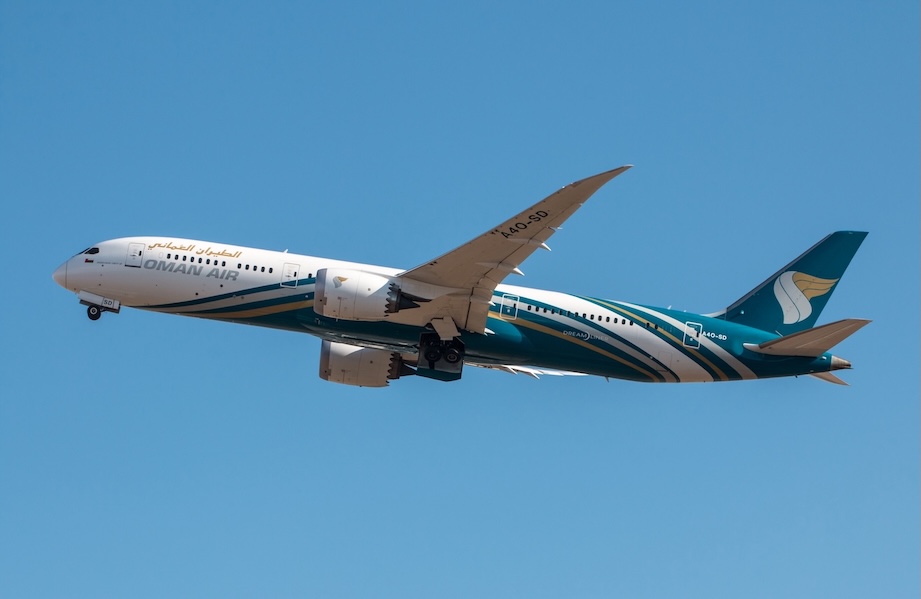
Oman Air has announced the cancellation of numerous flights as air travel in the Middle East faces substantial disruption. This decision is attributed to ongoing airspace closures that are a result of escalating tensions tied to conflicts involving Iran, the United States, and Israel. The airline’s actions mirror a broader crisis affecting aviation in the Gulf region, prompting airlines to reroute flights, suspend services, and prioritize passenger safety.

The recent instability has led several nations within the region to either temporarily shut down or impose restrictions on their airspace, which in turn has influenced airlines’ operations globally. As a precautionary measure, multiple carriers throughout the Middle East and beyond have suspended or adjusted their flight routes.

Impacted Routes and Airline Response

Oman Air confirmed that routes to destinations such as Amman, Dubai, Bahrain, Doha, Dammam, Kuwait, Copenhagen, Baghdad, and Khasab will be affected during various periods in early March. The airline indicated that these cancellations were essential due to the prevailing airspace restrictions and ongoing safety concerns. Travelers are urged to check their booking status or look for rescheduling options through authorized channels. While some flights remain operational, timetables are subject to frequent modifications, reflecting the dynamic situation in the region.

These cancellations are part of a wider pattern of aviation disruptions that have impacted airlines globally. As the conflict escalates, various Middle Eastern nations have enacted temporary airspace closures. This has resulted in thousands of flights being cancelled or rerouted, which has stranded numerous passengers worldwide.

Broader Implications for Aviation in the Region

Major international airlines from Europe, Asia, and the Middle East have begun altering their flight schedules to avoid high-risk airspace. Some carriers have suspended services to certain Gulf destinations, while others operate reduced timetables pending improvements in security conditions. This has led to a significant ripple effect throughout global travel networks.

Other regional airlines, including Emirates and Etihad Airways, have started to resume limited services after temporary halts. However, they too face restrictions as they await regulatory approvals. Additionally, Qatar Airways has commenced selective repatriation and scheduled flights as conditions begin to ease in certain areas, even though many routes remain suspended or are running late.

Challenges Faced by Passengers and Airports

The ongoing aviation disruptions are impacting thousands of travelers, especially expatriates and tourists who depend on Gulf hubs like Muscat International Airport for their regional and international connections. In response, authorities have implemented restrictions on private jet operations in Muscat to prioritize commercial and official flights, highlighting the strain on the airport’s infrastructure amid the crisis.

Travel advisors recommend that passengers stay updated on airline services, confirm flight schedules before arriving at airports, and allow for extra travel time to accommodate potential delays or rerouted paths. There is an expectation that these disruptions might persist until regional tensions lessen and airspace restrictions are fully lifted.

Future of Aviation Amid Ongoing Conflicts

The current instability underscores how geopolitical issues can swiftly impact global aviation networks. The strategic location of the Middle East is crucial for international air travel, connecting Asia, Europe, and Africa, making disruptions in the area significant for flight operations worldwide. Airlines must continuously assess operational risks, safety protocols, and fuel costs when facing restricted airspace. Even temporary closures necessitate longer flight routes, increasing both travel times and expenses.

For Oman Air and other carriers in the region, ensuring passenger safety while maintaining vital connections remains a top priority. As diplomatic measures evolve and security assessments progress, airlines are closely monitoring the situation. Aviation authorities hope for a gradual reopening of airspace, which will aid in normalizing flight schedules in the near future. In the meantime, travelers passing through the region should remain prepared for possible delays and last-minute changes to their itineraries.

Long or Short, get news the way you like. No ads. No redirections. Download Newspin and Stay Alert, The CSR Journal Mobile app, for fast, crisp, clean updates!

App Store –  https://apps.apple.com/in/app/newspin/id6746449540 

Google Play Store – https://play.google.com/store/apps/details?id=com.inventifweb.newspin&pcampaignid=web_share

Latest News

Popular Videos
