


Iran Faces Increased Financial Strain Due to US Naval Blockade
The CSR Journal Magazine

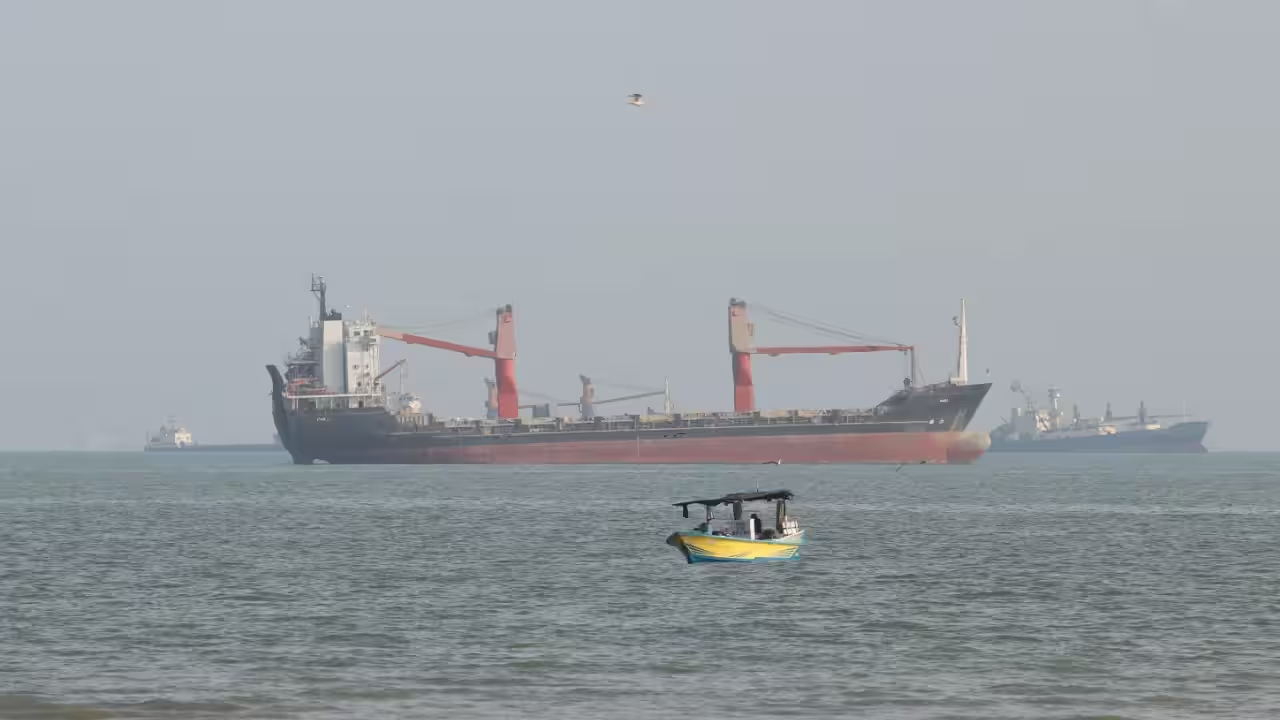
The US naval blockade on Iranian ports has significantly hampered Tehran’s capacity to generate income from oil exports. This situation is reportedly pushing Iran to consider more aggressive measures to counteract the blockade and challenge the restrictions imposed by Washington.

According to former US Treasury official Miad Maleki, the financial pressure on Iran is intensifying as the blockade limits oil revenue, while cryptocurrency serves only as a limited alternative for financial transactions. The blockade has led to the freezing of approximately $350 million in Iranian cryptocurrency assets, alongside claims from Washington that it has obstructed at least $25 billion in Iranian oil exports.

These developments underscore the increasing financial difficulties faced by Tehran. Maleki emphasised that the loss of oil revenue represents a more significant challenge for Iran than the limitations imposed by cryptocurrency.

Consequences of Reduced Oil Exports

Admiral Brad Cooper, the commander of US Central Command, stated on Thursday that the maritime blockade has prevented Iran from exporting at least $25 billion worth of crude oil over the past 100 days. Initially, Iran managed to continue selling oil that had already passed through the Strait of Hormuz before the blockade was enforced, with some oil remaining aboard tankers in international waters.

However, reports indicate that these floating reserves were depleted by mid-October, according to analysts from commodity-data firm Kpler. Homayoun Falakshahi, Kpler’s head of crude oil analysis, informed the Wall Street Journal that there is currently no oil available for discharge to China. Maleki remarked that the economic situation for the Islamic Republic has reached a critical juncture, as Tehran no longer has access to the oil revenue it once depended on to finance imports.

As a result, the Iranian government is now facing an urgent need to address its import costs. Some goods entering Iran were paid for in advance, while others continue to arrive via land routes. Maleki cautioned that the financial strain will escalate when Tehran must cover the costs of new purchases and transportation without the oil revenue it previously relied upon.

Future Challenges for Iran

Maleki warned that the situation could become considerably more challenging for the Islamic Republic once it can no longer finance the costs associated with buying and transporting goods entering the country over land. He noted that it remains difficult to predict how quickly Iran will reach that critical point, but the potential for increased hardship is evident.

In a related context, Yemeni government-aligned forces are reportedly consolidating control over territory along the southern end of the Red Sea coastal plain. The Houthis are continuing their attacks on Saudi government, civilian, and oil infrastructure, aiming to pressure Riyadh into withdrawing its support for the Yemeni government and accepting Houthi demands.

The ongoing conflict in Yemen adds another layer of complexity to the regional dynamics, as Iranian financial pressures coincide with the military actions of the Houthis against Saudi interests. This situation may further complicate Iran’s geopolitical standing and its ability to navigate the current economic challenges brought on by the US blockade.

Long or Short, get news the way you like. No ads. No redirections. Download Newspin and Stay Alert, The CSR Journal Mobile app, for fast, crisp, clean updates!

App Store – https://apps.apple.com/in/app/newspin/id6746449540

Google Play Store – https://play.google.com/store/apps/details?id=com.inventifweb.newspin&pcampaignid=web_share

Latest News

Popular Videos
