


NDMC Launches New Cleaning Procedures for Lutyens’ Delhi Roads
The CSR Journal Magazine

The New Delhi Municipal Council (NDMC) has announced plans to establish standard operating procedures aimed at improving road and public space cleaning in the Lutyens’ area. The focus will be on adopting pressure-jet water cleaning alongside mechanised sweeping techniques. According to NDMC chairman Manoj Kumar Dwivedi, these enhancements will be integrated into everyday operations and formalised through a structured SOP.

Dwivedi responded to input from residents regarding cleaning practices, noting that pressure-jet water cleaning is already in effect. He shared on X that the council intends to combine various cleaning methods to formulate an SOP that optimally addresses dust and dirt removal in the region. This initiative highlights the NDMC’s commitment to ensuring a cleaner environment for the residents.

Deployment of Mechanised Sweeping Machines

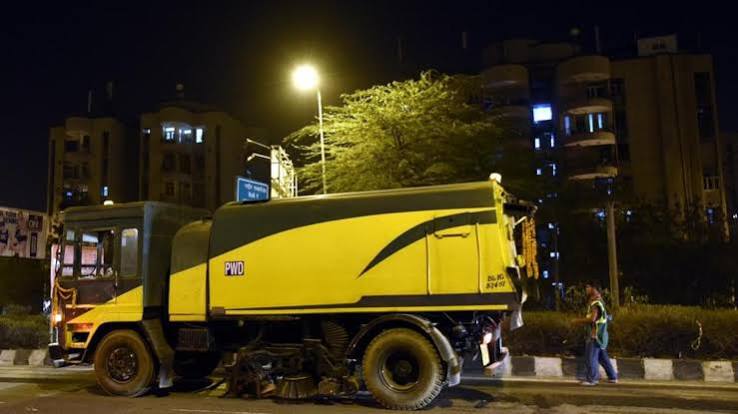
As part of the cleaning initiative, the NDMC has already deployed six mechanised road sweeping machines, with plans to augment this fleet in the near future. Dwivedi emphasised the necessity of consistent water supply for these machines to efficiently manage dust during road cleaning operations. He acknowledged that the presence of dust on the roads is also influenced by the condition of the roads themselves and the maintenance of green spaces adjacent to them.

Furthermore, Dwivedi referred to some infrastructure issues as “legacy problems” that have persisted over time and will require systematic approaches to resolve. The NDMC is contemplating “reengineering” strategies to tackle these longstanding challenges, ensuring that future road constructions adhere to international standards.

Dwivedi also mentioned that the council is committed to modernising its cleaning processes in order to present a well-maintained urban landscape to residents and visitors alike.

Safety Measures for Ground Staff

In a bid to enhance safety for ground staff, the NDMC has declared that fluorescent safety jackets will become mandatory. This decision aims to increase visibility for workers, particularly during low-light conditions. The introduction of fluorescent strips is intended to provide an additional layer of safety as the staff carry out their duties on roads.

In response to suggestions that staff should be provided with appropriate footwear, Dwivedi indicated that the necessity would vary based on their specific tasks. He cited the example of a pump operator engaged during instances of waterlogging, suggesting that enclosed shoes may not always be suitable. The NDMC plans to evaluate other potential requirements for staff attire to incorporate them into the newly developed SOP.

Earlier in the week, Dwivedi issued a public apology to residents of the Lutyens’ area, acknowledging the widespread waterlogging that occurred following heavy rainfall. His comments were part of an effort to enhance public communication and improve the feedback mechanisms of the NDMC, demonstrating the council’s commitment to addressing community concerns.

Long or Short, get news the way you like. No ads. No redirections. Download Newspin and Stay Alert, The CSR Journal Mobile app, for fast, crisp, clean updates!

App Store –  https://apps.apple.com/in/app/newspin/id6746449540 

Google Play Store – https://play.google.com/store/apps/details?id=com.inventifweb.newspin&pcampaignid=web_share

Latest News

Popular Videos
