


Mumbai’s AQI Surpasses Delhi’s Pollution Levels, Marking the City as India’s Most Polluted Amid Environmental Concerns

The CSR Journal Magazine

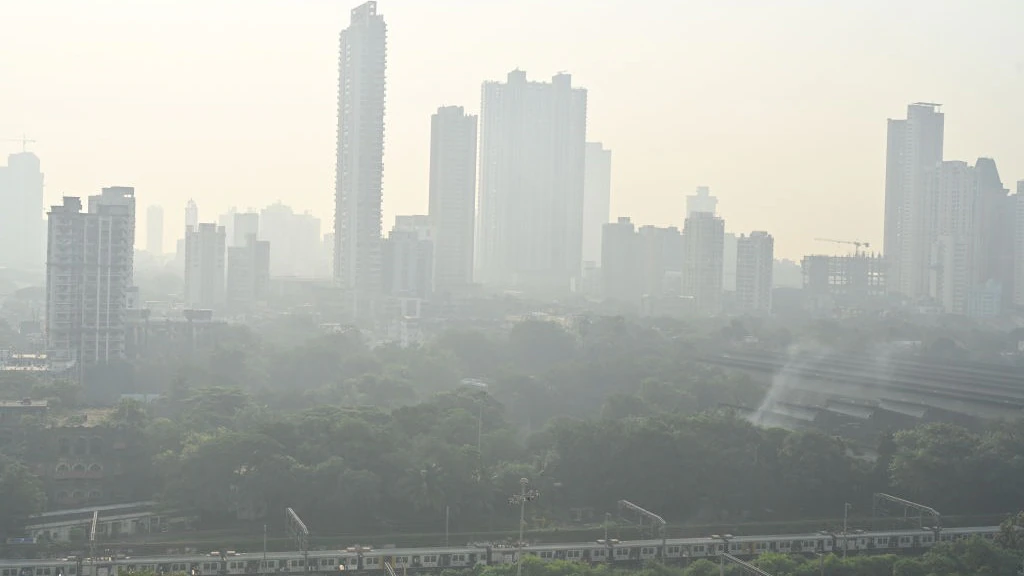
Mumbai’s air quality has recently deteriorated to levels worse than those in Delhi, marking a significant environmental concern. On October 15, 2026, the city recorded an Air Quality Index (AQI) of 152, positioning it as the most polluted city in India and the fifth globally, according to iQAir. This marks the second instance in 2026 where Mumbai’s air quality has surpassed that of Delhi, traditionally known for its toxic winter air.

The alarming AQI readings come amid a backdrop of unusually hot and humid weather, attributed to a rain-deficient monsoon. Earlier in the year, during January and February, Mumbai’s AQI had reached around 400, indicating a persistent air quality crisis.

Experts suggest that the usual sea breeze, which has historically aided in dispersing pollutants, is failing to provide adequate relief this time. Alongside construction dust and vehicular emissions, other factors such as agricultural fires, garbage burning, and the use of firecrackers during festivals are contributing to the worsening air quality.

Contributing Factors to Pollution

Atmospheric scientists pointed out that sluggish wind patterns are allowing pollutants to accumulate in the city. They noted that the overall wind speed has decreased, which is unusual for Mumbai, where stronger winds typically help disperse air contaminants. This stagnation leads to a build-up of pollutants close to the ground, exacerbating the air quality crisis.

Additionally, the phenomenon of Super El Niño is reportedly influencing weather patterns, which may further complicate the situation. The Bombay High Court has taken notice of the deteriorating air quality, questioning local authorities about their pollution control measures and describing the situation as an emergency. The court has mandated that the police, Brihanmumbai Municipal Corporation (BMC), and Maharashtra Pollution Control Board (MPCB) provide updates on their enforcement actions by October 26.

Unlike Delhi’s annual winter smog, which is primarily driven by stubble burning and other local emissions, Mumbai’s pollution sources are more varied. The impact of agricultural fires from states like Madhya Pradesh and Jharkhand is also being scrutinised, although experts caution that the distance and wind conditions may limit their effect on Mumbai’s air quality.

Local Sources of Pollution

In addition to agricultural fires, the burning of waste in and around Mumbai is significantly contributing to the city’s pollution levels. Many rural areas lack proper waste management systems, leading residents to burn garbage in open spaces, which releases harmful pollutants into the air. Environmental activists highlighted that these practices are prevalent in regions just south of Mumbai, such as Alibaug.

Experts also raised concerns about the cumulative impact of both agricultural burning and waste disposal on air quality. Sensor-based measurements have shown alarming PM2.5 levels near roadside garbage fires, indicating a serious public health risk. The absence of official air quality monitoring in many rural areas complicates the assessment of the full extent of the pollution problem.

Moreover, the use of firecrackers during festivals adds another layer to the pollution burden. Despite regulations, the sale and use of firecrackers continue, raising alarms about their toxic emissions. Experts called for stricter enforcement of existing bans to mitigate the health risks posed by air pollution, particularly for vulnerable populations.

The Bombay High Court has previously expressed dissatisfaction with the authorities’ efforts to control pollution levels, indicating that the issue extends beyond seasonal variations. As Mumbai grapples with air quality challenges, the situation serves as a reminder that geographical advantages alone cannot ensure clean air in the face of multiple pollution sources and unfavourable weather conditions.

Long or Short, get news the way you like. No ads. No redirections. Download Newspin and Stay Alert, The CSR Journal Mobile app, for fast, crisp, clean updates!

App Store – https://apps.apple.com/in/app/newspin/id6746449540

Google Play Store – https://play.google.com/store/apps/details?id=com.inventifweb.newspin&pcampaignid=web_share

Latest News

Popular Videos