


Iran Rejects Ceasefire Claims as U.S.-Israeli Strikes Intensify, Raising Global Alarm
The CSR Journal Magazine

As tensions escalate in the Middle East, Iran has firmly denied allegations of seeking a ceasefire while intensifying its counterattacks. The situation has led to significant casualties and widespread destruction across the nation, as both U.S. and Israeli forces conduct multiple raids targeting Iranian positions. This ongoing conflict illustrates the complex geopolitical dynamics at play, affecting regional stability and international relations.

Rising Casualties from US-Israeli Airstrikes

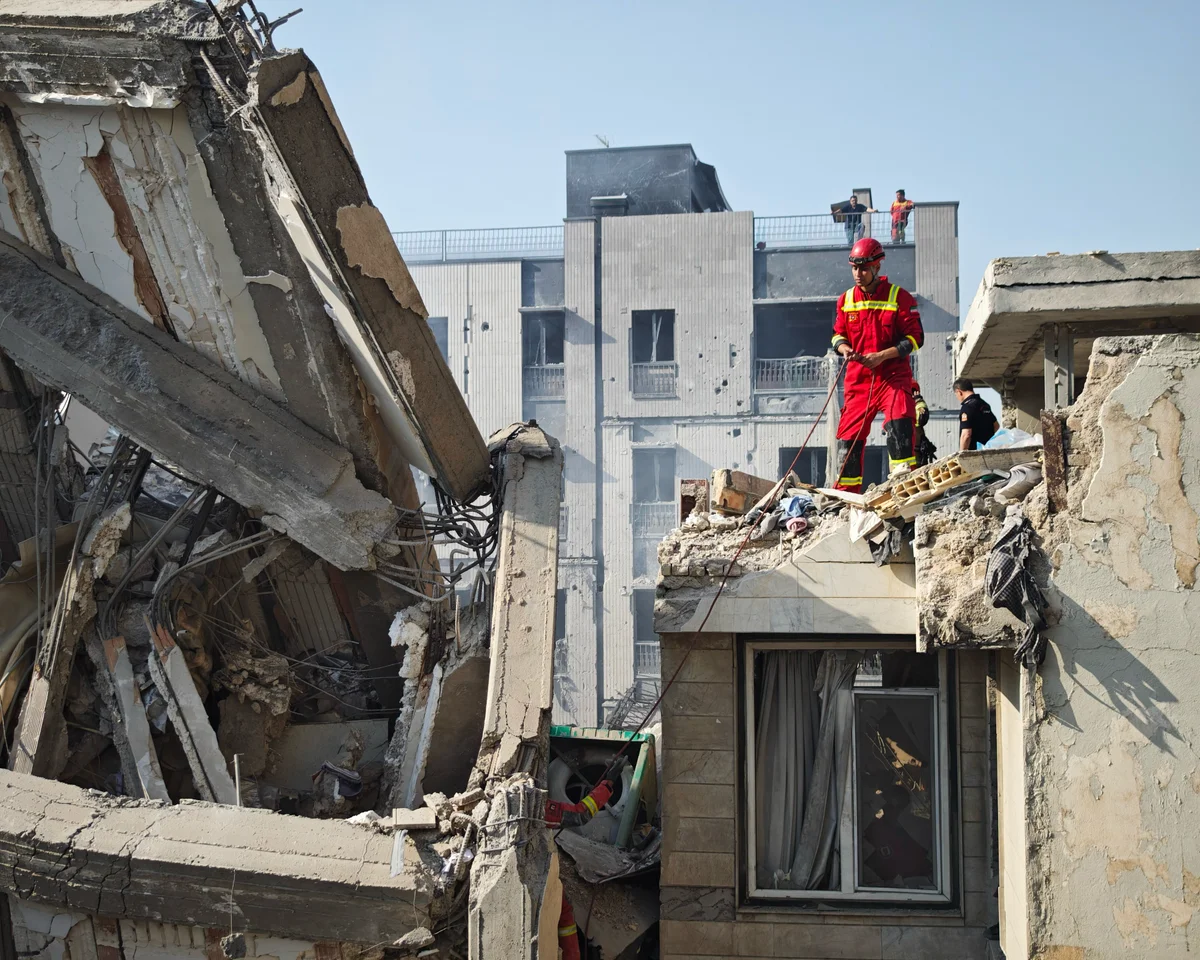
The escalating offensive has resulted in a troubling increase in deaths and infrastructure damage within Iran. Several districts have reported heavy bombardments, leading to a humanitarian crisis that has drawn international concern. Amid these developments, Iranian officials have condemned the strikes, calling them acts of aggression, while asserting their commitment to retaliation against perceived threats.

Trump’s Address to the American Public

In light of the situation, former President Donald Trump is scheduled to address the nation regarding the ongoing conflict and the U.S. stance on Israel’s operations in Iran. This comes as public interest grows concerning America’s role in the Middle East and its alliances. Analysts anticipate that Trump will address various facets of the war, including national security implications and foreign policy strategies moving forward.

International Reactions to the Conflict

The international community is closely monitoring developments, with calls for de-escalation becoming more frequent. Various countries have expressed concern over the humanitarian situation in Iran, urging all parties involved to prioritize dialogue and peaceful resolutions. As the conflict continues, the global response remains divided, reflecting the broader complexities of international relations concerning the Middle East.

Background on US-Israel-Iran Relations

The historical backdrop of U.S. and Israeli relations with Iran illustrates a long-standing rivalry marked by conflict and ideological differences. Since the Iranian Revolution in 1979, Iran has viewed the U.S. and Israel as key adversaries, leading to a series of confrontations over the decades. Recent escalations have reignited debates on the effectiveness of diplomatic measures and military actions in addressing issues related to Iran’s nuclear ambitions and regional influence.

Potential Consequences of Continuing Military Actions

As military operations persist, the potential ramifications extend beyond the immediate conflict. Economic impacts are likely, with sanctions on Iran fueling further deterioration of its economy, which could lead to increased instability within the region. Furthermore, the resilience of Iranian forces in the face of such attacks may embolden them, affecting their calculations and responses in the broader geopolitical landscape.

Future of Diplomatic Engagements

The prospect of renewed diplomatic engagements remains tenuous, especially given the current backdrop of military hostilities. With the specter of expanded conflict looming, stakeholders are urged to consider comprehensive strategies that promote peace and address underlying grievances. The international community’s response will be crucial in shaping the future of diplomatic relations and the stability of the Middle East.

Long or Short, get news the way you like. No ads. No redirections. Download Newspin and Stay Alert, The CSR Journal Mobile app, for fast, crisp, clean updates!

App Store –  https://apps.apple.com/in/app/newspin/id6746449540 

Google Play Store – https://play.google.com/store/apps/details?id=com.inventifweb.newspin&pcampaignid=web_share

Latest News

Popular Videos
