


Delhi Achieves 211 Days of Good-to-Moderate Air Quality in 2026, Marking Best Performance Since 2016

The CSR Journal Magazine

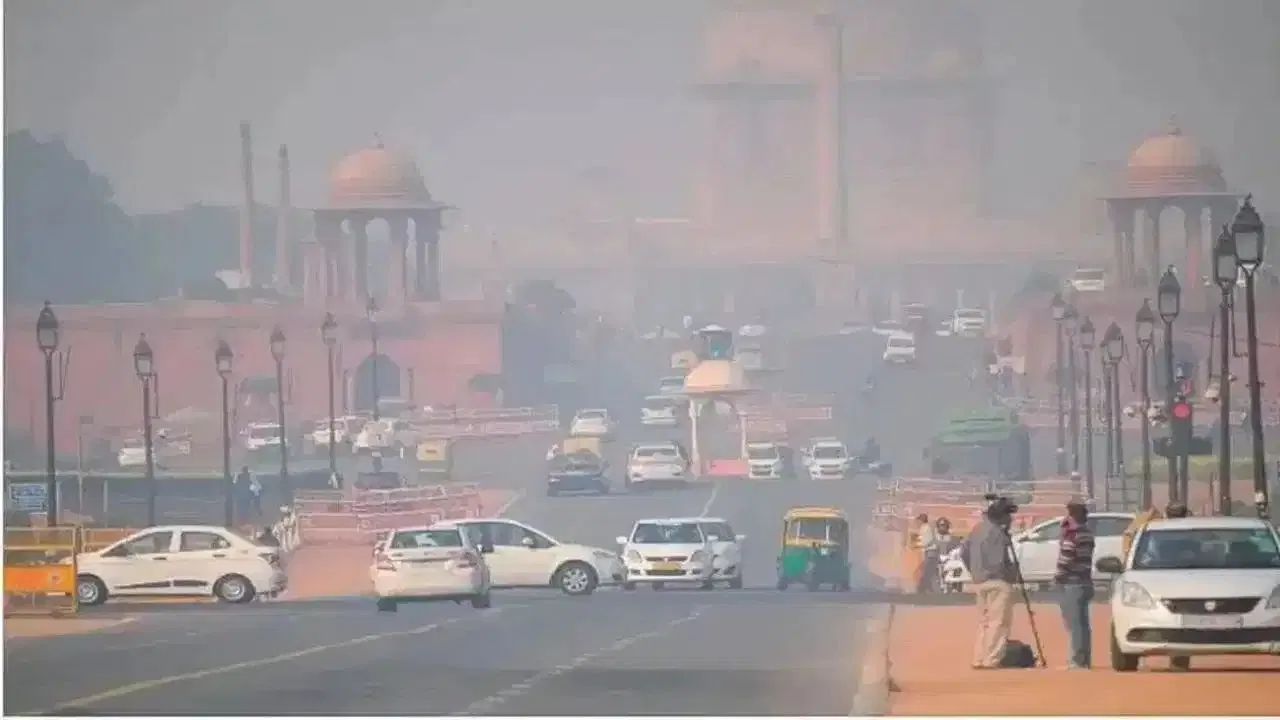
Delhi has achieved a notable milestone in air quality this year, recording 211 days classified as good, satisfactory, or moderate. This marks the best performance since 2016, excluding the COVID-affected year of 2020. Environment Minister Manjinder Singh Sirsa announced this development on Saturday, highlighting the capital’s progress in air quality management.

With over two months still remaining in the year, Delhi has already exceeded the total number of good-to-moderate air quality days recorded in several previous years. For context, the city had 200 such days in 2025, 209 in 2024, 206 in 2023, 159 in 2018, and 110 in 2016. This upward trend is attributed to the Delhi government’s ongoing initiatives to tackle air pollution.

Sirsa credited Chief Minister Rekha Gupta’s leadership for the improvements, stating that the reduction in days with poor, very poor, and severe air quality has been significant. The number of such days has decreased from 168 during the same period in 2016 to 79 this year.

Government Initiatives for Pollution Control

The Delhi government has implemented a comprehensive approach to combat air pollution. This includes various measures such as mechanised road sweeping, water sprinkling, and the deployment of anti-smog guns. Additionally, improvements in road infrastructure, effective dust management at construction and demolition sites, and stricter monitoring of industrial emissions have been initiated.

Sirsa also mentioned the prevention of open burning and the expansion of electric public transport as key strategies in the fight against pollution. The recently inaugurated AI-enabled Integrated Command and Control Centre is enhancing real-time monitoring of pollution levels, facilitating better coordination among agencies, and improving complaint resolution processes.

Furthermore, the government has strengthened field inspections and accountability mechanisms to ensure compliance with pollution-control standards by both government departments and private entities. These measures are aimed at creating a more sustainable urban environment.

Challenges Ahead and Community Involvement

In light of potential air quality issues, Sirsa urged employers and corporate entities to promote work-from-home arrangements and staggered office timings where possible. He also encouraged the use of carpooling and public transport to minimise unnecessary private vehicle movement during high pollution periods.

Residents are advised to utilise the Metro, electric buses, and other public transport options. They are also encouraged to maintain valid Pollution Under Control certificates, avoid burning waste and biomass, and report pollution-related violations through designated grievance platforms. Community involvement is deemed crucial in maintaining air quality standards.

Sirsa called on resident welfare associations, market associations, and institutions to ensure that waste and biomass are not burnt and that construction dust is effectively managed. He emphasised the importance of making suitable heating arrangements for outdoor staff using electricity or approved clean fuels.

In conclusion, Sirsa highlighted that air pollution is a regional challenge that requires coordinated efforts across the National Capital Region. The government plans to continue field monitoring, regular reviews, enforcement actions, and public awareness initiatives throughout the winter season to sustain the progress made in air quality management.

Long or Short, get news the way you like. No ads. No redirections. Download Newspin and Stay Alert, The CSR Journal Mobile app, for fast, crisp, clean updates!

App Store – https://apps.apple.com/in/app/newspin/id6746449540

Google Play Store – https://play.google.com/store/apps/details?id=com.inventifweb.newspin&pcampaignid=web_share

Latest News

Popular Videos