


IIT Bombay Reaffirms Anti-Discrimination Guidelines Amid Ongoing Student Protests
The CSR Journal Magazine

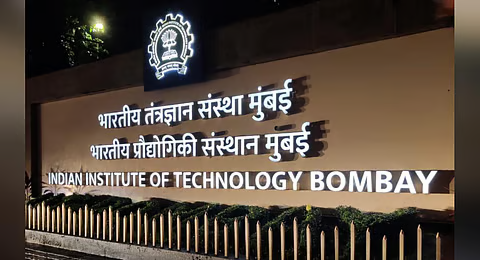
The Indian Institute of Technology Bombay (IIT Bombay) has announced a reaffirmation of its anti-discrimination guidelines, which discourage students, faculty, and staff from inquiring about a student’s caste, admission category, or entrance examination ranks. This decision has sparked criticism from students who are currently protesting, as they demand a more meaningful dialogue with the administration instead of what they perceive as generic and repetitive communications.

In a communication issued by the Office of the Dean of Student Affairs on Tuesday, the guidelines emphasise that questions regarding a student’s caste, birth, or admission category, as well as their JEE Advanced rank or GATE score, could lead to both conscious and subconscious biases that negatively impact individuals. The institute has pointed out that even inquiries made out of curiosity could be interpreted as efforts to ascertain a student’s caste background.

The administration has encouraged the campus community to foster relationships based on shared interests such as academics, sports, music, hobbies, and hometowns, rather than on caste or other divisive factors.

Commitment to Inclusion and Equal Opportunities

IIT Bombay has reiterated its dedication to upholding the Constitution’s reservation policy, ensuring equal opportunities for all students, irrespective of caste, religion, or socio-economic background. The guidelines also explicitly prohibit the dissemination of abusive, hateful, casteist, or sexist content, as well as any material that promotes religious intolerance or discrimination based on sexual orientation. Violations of these guidelines, whether conducted online or in person, may lead to disciplinary measures.

The renewed guidelines were released in the context of ongoing protests at the institute’s Justice Corner, where students have raised concerns about the administration’s reliance on email communications. Protesters have noted that similar advisories were issued in 2023 following the tragic death of Dalit student Darshan Solanki, questioning the effectiveness of such measures.

Students are advocating for direct engagement with the administration to address their grievances, rather than receiving repeated advisories that they feel do not adequately address their concerns. This call for dialogue has become more pressing in light of recent events.

Recent Events and Student Welfare Concerns

The latest advisory comes in the wake of the death of second-year BTech student Sahil Wakode on September 18, which has intensified scrutiny regarding student welfare and the mechanisms in place for addressing grievances on campus. Wakode’s death has led to renewed demands for accountability from the administration and a call for a safer, more inclusive environment for all students.

Allegations surrounding Wakode’s case have raised significant questions about how the institution responds to issues of discrimination and student mental health. While IIT Bombay’s guidelines highlight the need for sensitivity and equality in campus interactions, the ongoing protests underscore students’ desire for a more responsive and direct approach from the administration regarding their concerns.

The situation at IIT Bombay illustrates the complexities surrounding caste-based discrimination and the necessity for institutions to engage with student bodies in a constructive manner. As protests continue, the administration faces increasing pressure to address the underlying issues that have led to unrest among the student population.

Long or Short, get news the way you like. No ads. No redirections. Download Newspin and Stay Alert, The CSR Journal Mobile app, for fast, crisp, clean updates!

App Store – https://apps.apple.com/in/app/newspin/id6746449540

Google Play Store – https://play.google.com/store/apps/details?id=com.inventifweb.newspin&pcampaignid=web_share

Latest News

Popular Videos
