


Hackers Target Blood Bank in France Following Supermarket Attacks
The CSR Journal Magazine

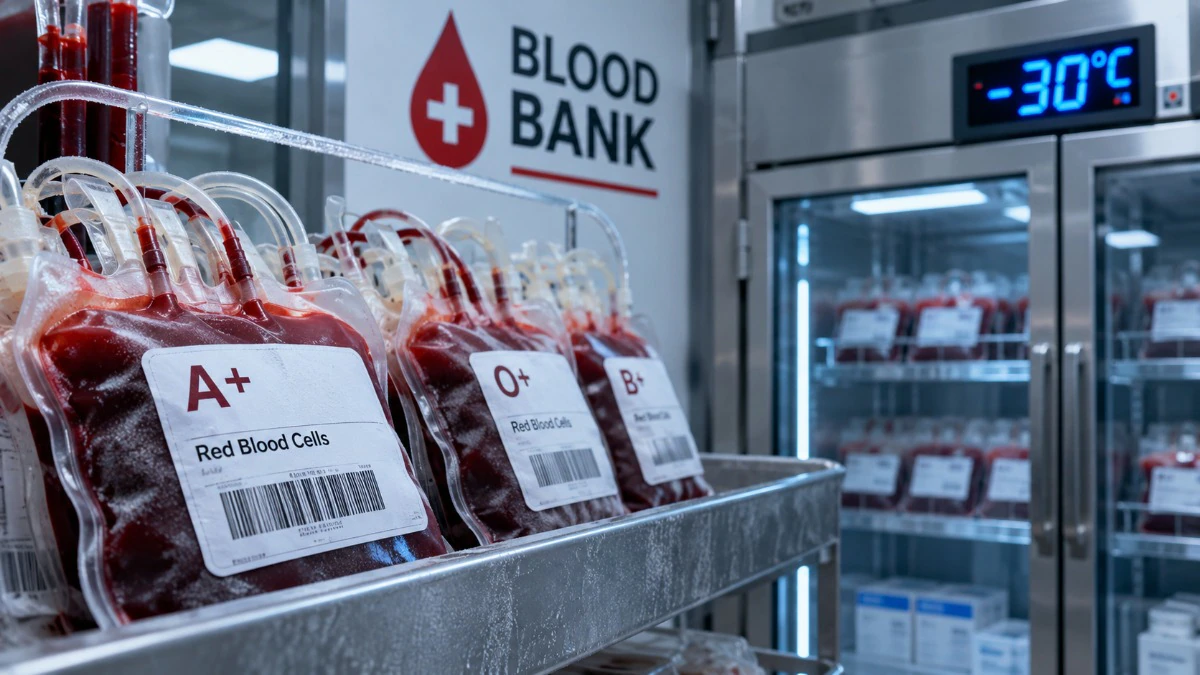
The recent cyberattacks in Europe have escalated in severity, with hackers now focusing on blood-storage facilities in France. Following a series of attacks on supermarket cold-storage units, the latest incident involved the national blood agency, Etablissement Français du Sang (EFS). Reports indicate that attackers remotely altered the temperature settings of freezers, raising them from -30 degrees Celsius to 110 degrees Celsius.

This alarming breach was detected by an on-duty technician, who noticed the unusual temperature change overnight, allowing emergency teams to respond promptly. The cyberattack reportedly occurred between November 1 and 2, 2026. France’s Health Ministry confirmed that the situation was contained without any disruption to hospital supplies or blood transfusion services.

However, the incident has heightened concerns regarding the security of critical infrastructure, as it follows a pattern of similar attacks across at least 11 European countries, including Belgium, Germany, and the UK. This trend of targeting essential services has raised significant alarm. The ability of hackers to manipulate everyday infrastructure, such as refrigeration units, poses a serious threat to public safety and health. The implications of such breaches extend beyond mere inconvenience, potentially endangering lives.

Method of Attack and Impact

The attackers allegedly gained access to internet-connected refrigeration controllers, which allowed them to adjust temperature settings remotely. These systems are designed for technicians to monitor and manage cooling processes from a distance. However, vulnerabilities arise when such systems are inadequately secured, utilise outdated software, or are easily accessible online.

Last month, hackers reportedly compromised cooling systems in approximately 700 supermarkets across France, resulting in temperature increases that led to substantial food waste and financial losses exceeding 130,000 euros for some stores. The shift in focus from supermarket refrigeration to blood storage is particularly concerning. In the latest incident, the attackers reportedly breached Coolworld, a refrigeration maintenance contractor associated with EFS.

Initially, EFS stated that only routine health-monitoring blood samples were affected, but later confirmations indicated that plasma intended for transfusions was also stored in the compromised units. This escalation highlights the potential risks to lifesaving medical supplies.

The context of these attacks is further complicated by advancements in artificial intelligence, which may facilitate the automation and scaling of cyberattacks. While there is currently no evidence to suggest that AI was employed in these specific incidents, the growing sophistication of cyber threats raises questions about the security of connected devices in everyday use.

Ongoing Investigation and Uncertainty

As investigations continue, the focus will likely remain on enhancing security measures for critical infrastructure. The incidents serve as a stark reminder of the vulnerabilities inherent in modern technology and the need for robust cybersecurity protocols to protect essential services. The implications of these attacks extend beyond immediate financial losses, potentially impacting public health and safety in profound ways.

In conclusion, the recent cyberattacks on blood-storage facilities in France mark a concerning trend in the targeting of vital infrastructure. As the situation develops, it will be crucial for authorities to address the underlying vulnerabilities that allow such breaches to occur, ensuring the safety and security of essential services for the public.

Long or Short, get news the way you like. No ads. No redirections. Download Newspin and Stay Alert, The CSR Journal Mobile app, for fast, crisp, clean updates!

App Store – https://apps.apple.com/in/app/newspin/id6746449540

Google Play Store – https://play.google.com/store/apps/details?id=com.inventifweb.newspin&pcampaignid=web_share

Latest News

Popular Videos
