


Flash Floods in Nepal Leave 626 Dead and Over 2400 Missing
The CSR Journal Magazine

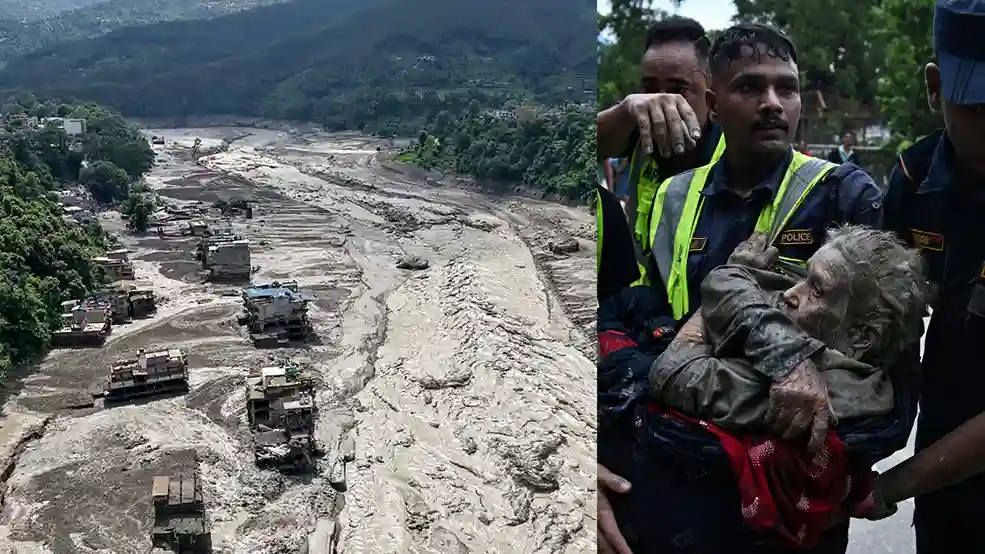
The recent flash floods in Nepal have resulted in significant devastation, causing at least 626 fatalities. This disaster struck on 29 August 2026, following an ice-and-rock avalanche triggered by a glacial collapse near the border with China. Many regions, particularly Rasuwa and other areas of central Nepal, have been severely affected, with reports indicating that thousands of individuals are still unaccounted for.

The floods have overwhelmed infrastructure, destroying roads, bridges, and numerous settlements. Hydropower facilities have also been significantly impacted, which may worsen the situation as Nepal grapples with ongoing recovery efforts. The scale of the disaster necessitates a comprehensive response from local authorities and national organisations working to aid affected communities.

In light of this catastrophe, concerns have arisen regarding potential further flooding. Local officials have reiterated the urgency for residents and rescue teams to remain vigilant as conditions continue to change.

Immediate Impact and Rescue Operations

The immediate consequences of the flash floods are stark, with widespread reports of destruction and chaos in the impacted areas. Rescue operations have been hindered by continuous rainfall, making it challenging for personnel to reach those in need. The Nepal Police have stated that more than 2400 individuals are currently unaccounted for, highlighting the urgency of search and rescue efforts. Rescue teams are focused on identifying survivors and providing necessary support, though adverse weather conditions complicate efforts.

Authorities have advised individuals in the affected regions, particularly in the Bhotekoshi and Trishuli areas, to remain alert and consider relocating to safer locations if conditions warrant. Emergency services are on high alert as water levels in key rivers, specifically the Bhotekoshi, rise again, increasing the risk of renewed flooding.

The government has mobilised resources to assist those displaced by the floods, and various organisations are coordinating efforts to deliver relief materials. Nonetheless, the combination of damage and the threat of additional flooding continues to strain recovery efforts significantly.

Future Risks and Community Response

The current situation in Nepal raises serious concerns about the potential for further flooding in the near future. Experts have flagged the possibility of extended rainfall exacerbating the already precarious conditions. The government has issued warnings, advising people to stay informed about weather updates while preparing for any emergencies.

Community response efforts are also underway, as local organisations work to provide immediate assistance to those affected. Residents are encouraged to devise emergency plans and are receiving guidance from authorities on how to protect themselves and their families in the face of ongoing risks. Community cohesion has been vital, as neighbours and local groups mobilise to share resources and support one another during this crisis.

The combination of effective local engagement and governmental intervention will be crucial in navigating the aftermath of this disaster. As Nepal attempts to recover from this calamity, the focus remains on ensuring the safety and welfare of its citizens, particularly in areas prone to flooding.

Long or Short, get news the way you like. No ads. No redirections. Download Newspin and Stay Alert, The CSR Journal Mobile app, for fast, crisp, clean updates!

App Store –  https://apps.apple.com/in/app/newspin/id6746449540 

Google Play Store – https://play.google.com/store/apps/details?id=com.inventifweb.newspin&pcampaignid=web_share

Latest News

Popular Videos
