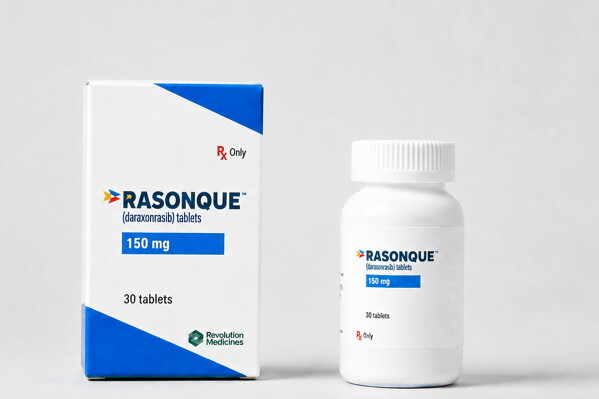
The US Food and Drug Administration has recently approved daraxonrasib, a groundbreaking new drug specifically aimed at treating the most prevalent form of pancreatic cancer. This approval provides patients with a more effective treatment option against one of the deadliest cancer types. The FDA granted this expedited authorisation on August 26, 2026, for a pill that specifically targets a mutated protein responsible for tumour growth in over 90 per cent of pancreatic cancer cases.
Daraxonrasib will be marketed by Revolution Medicines under the brand name Rasonque. It is the first of its kind to be approved in this category, highlighting the potential of innovative therapies in the oncology sector. The medication represents a significant advancement in treatment options for those afflicted by this challenging disease.
Clinical Study Outcomes
A comprehensive study funded by the manufacturer involved 500 patients whose metastatic pancreatic cancer had shown resistance to previous therapies. The outcomes indicated a remarkable increase in survival rates for those receiving the new medication, nearly doubling their median survival time compared to patients undergoing standard chemotherapy. Specifically, patients treated with daraxonrasib achieved a median survival duration of 13.2 months, in contrast to only 6.7 months for those receiving chemotherapy.
This positive response also extended to a reduction in severe side effects, further indicating the drug’s relative safety and efficacy. These results underscore the potential of daraxonrasib to transform treatment protocols for pancreatic cancer, which has long been associated with low survival rates. The FDA’s early approval was issued more than six months ahead of the scheduled date, reflecting the urgent need for effective therapies in this arena.
Pancreatic cancer remains a significant public health challenge, largely due to its stealthy progression. According to estimates from the American Cancer Society, approximately 67,000 new cases are expected to be diagnosed in the United States this year, with more than 52,000 fatalities attributed to the disease. Currently, the overall five-year survival rate for affected individuals stands at a mere 13 per cent.
Gene Mutation Targeting
The drug specifically addresses mutations found within the RAS gene family, which are critical in regulating cell growth. KRAS mutations, in particular, have been implicated in pancreatic cancer development and progression. Historically, these mutated proteins have been considered “undruggable” due to structural characteristics that hinder effective medicinal attachment.
Revolution Medicines has reported that its innovative drug employs what they describe as molecular glue, enabling it to bind with various KRAS subtypes effectively. This technological advancement not only offers hope for pancreatic cancer patients but also opens new pathways for treating other malignancies, including lung cancer, as they continue to investigate the application of this therapy in broader oncology contexts.
The approval of daraxonrasib represents a crucial development in the ongoing efforts to find effective treatments for pancreatic cancer patients. Alongside this new medication, multiple other experimental drugs are currently under investigation, further demonstrating the commitment to advancing cancer care and improving patient outcomes on a larger scale.
Long or Short, get news the way you like. No ads. No redirections. Download Newspin and Stay Alert, The CSR Journal Mobile app, for fast, crisp, clean updates!