


app-store-logo
play-store-logo
February 27, 2026

Exploring Tattoo Longevity: The Impact of Skin Biology on Lasting Ink Designs
The CSR Journal Magazine

A tattoo is much more than just ink applied to the skin; it represents an ongoing partnership with the body. While clients often consider how their tattoo will appear in the near future, tattoo artists focus on how it will look in several decades. Skin is a dynamic living tissue that breathes, stretches, heals, scars, ages, and adapts to lifestyle changes, all of which can affect a tattoo’s appearance. Contrary to common belief, the ink does not merely rest on the skin’s surface; it penetrates the dermis, situated beneath the constantly renewing outer layer. Although this outer layer sheds and regenerates, the underlying ink remains affected by its surrounding conditions.

Factors Influencing Tattoo Appearance Over Time

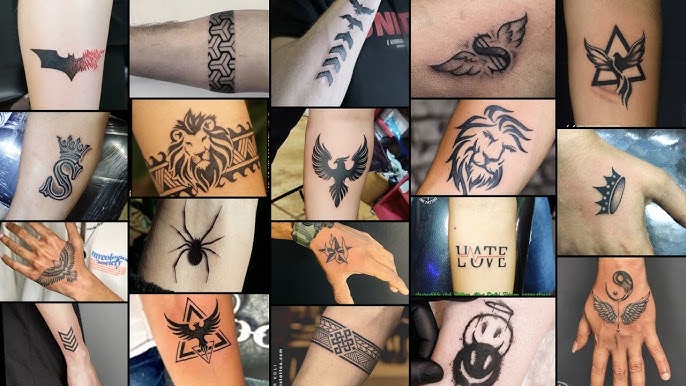
Many variables influence how a tattoo retains its quality over time, according to a tattoo artist. Elements such as sun exposure, hydration levels, weight changes, muscle development, pregnancy, aging, and skincare practices are all crucial. Artists must consider various design aspects, including bold lines and spacing, which serve as strategic choices for longevity. Over years, ink particles can disperse slightly within the skin, causing intricate details that are too close together to blur. When artists recommend thicker lines or increased negative space, it is to help maintain the integrity of the design rather than to compromise the client’s vision.

Understanding Body Placement and Aging

Different regions of the body exhibit varied aging characteristics. For example, the skin on the forearm reacts differently than that on the fingers or feet. Areas such as fingers and inner lips tend to experience faster fading due to frequent movement and quicker cell turnover. Conversely, locations like the outer forearm and calves may show signs of aging more elegantly. Thus, both placement and design play crucial roles in the longevity of a tattoo.

Importance of Proper Healing and Aftercare

The healing process, particularly in the initial two to four weeks, is often overlooked but vital for long-term tattoo quality. Over-moisturizing can suffocate the skin, while picking at scabs may displace ink. Following aftercare guidelines is essential to prevent infections that could adversely affect both health and the tattoo’s clarity. Beyond the healing phase, ongoing habits significantly affect a tattoo’s longevity. Well-hydrated skin preserves tattoos more effectively, while sun protection is crucial, as UV exposure is one of the primary contributors to premature fading.

Influence of Lifestyle Factors on Tattoo Durability

As the body undergoes inevitable changes, tattoos will likewise evolve. Significant weight fluctuations can stretch or contract the skin, and muscle gain can alter proportions subtly. Additionally, aging impacts collagen levels, making skin thinner and less elastic. However, a tattoo does not become ruined; instead, it transforms over time. Tattoos that are expertly applied and diligently cared for can retain their strength for decades, while neglected tattoos or those poorly executed may deteriorate sooner. Achieving the correct application depth is critical—too shallow leads to fading while too deep can result in blurring or scarring.

The Role of Skin Health and Color in Tattoo Longevity

Skin condition prior to a tattoo appointment significantly influences the outcome. Dehydrated, sunburned, or irritated skin can impede ink acceptance. Maintaining healthy skin through gentle exfoliation, consistent moisturization, and a balanced diet can aid clarity. Lifestyle factors such as smoking and excessive tanning can accelerate aging, which is reflected in the condition of tattoos. Color choices also play a role in longevity. Black ink typically lasts longer, while tattoos in lighter shades may fade more quickly, particularly in exposed areas. Clients should understand that touch-ups are often needed for maintaining vibrant designs and should not be viewed as failures.

Artistry Meets Biology in Tattoo Design

A skilled tattoo artist’s objective transcends creating aesthetically pleasing designs; they aim to produce pieces that clients will cherish for decades. Recognizing skin as dynamic tissue rather than a static canvas fosters a thoughtful balance between artistry and biology, increasing the likelihood that tattoos will endure over time.

Long or Short, get news the way you like. No ads. No redirections. Download Newspin and Stay Alert, The CSR Journal Mobile app, for fast, crisp, clean updates!

App Store –  https://apps.apple.com/in/app/newspin/id6746449540 

Google Play Store – https://play.google.com/store/apps/details?id=com.inventifweb.newspin&pcampaignid=web_share

Latest News

Popular Videos
