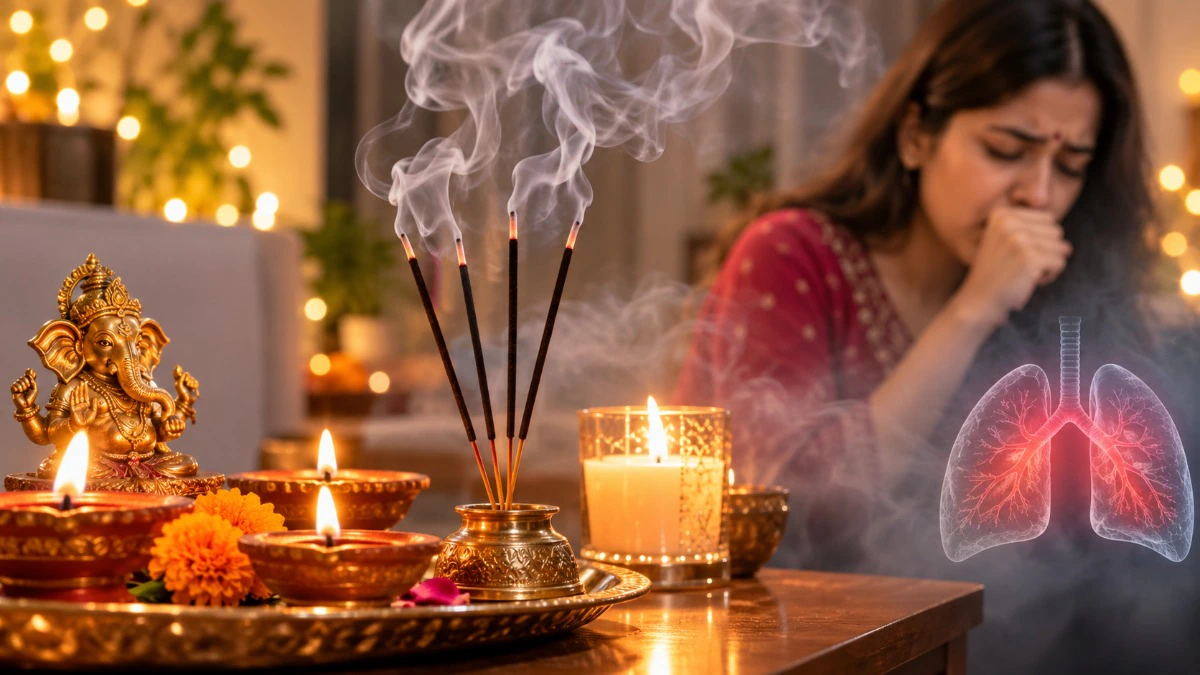
Diwali celebrations often involve traditional practices like lighting diyas, burning incense sticks, and using scented candles. While these customs are significant to the festivities, they can contribute to indoor air pollution, especially in homes with limited ventilation. The combustion of materials such as oil and ghee in diyas releases combustion particles that add to indoor pollutants.
Despite the focus on outdoor air quality and pollution from firecrackers, the effects of indoor activities during the festival are frequently overlooked. Burning incense sticks, camphor, and candles can emit smoke, fine particulate matter, and various gases into the air. This accumulation of pollutants can have adverse effects on respiratory health, particularly in poorly ventilated spaces.
Doctors note that indoor pollution during Diwali can lead to irritation of the eyes, nose, and throat. Individuals with asthma and allergies may experience increased difficulty in breathing due to these pollutants. The continuous exposure to smoke and fine particles can exacerbate existing respiratory conditions, particularly affecting vulnerable groups such as children and the elderly.
How Diwali Rituals Contribute to Indoor Pollution
The lighting of diyas and burning of incense are common practices during Diwali, but they can significantly impact indoor air quality. Doctors explain that these activities can release fine particulate matter and gases that irritate the airways. Prolonged inhalation of these substances can lead to symptoms such as coughing, throat irritation, and breathlessness.
The risk of indoor air pollution escalates when multiple smoke-producing items are used simultaneously in small, enclosed rooms. In such cases, pollutants do not disperse effectively, leading to a higher concentration of harmful particles in the indoor environment. This situation can increase the likelihood of respiratory discomfort and other health issues.
Common signs of exposure to indoor air pollution include irritation of the eyes, nose, and throat, persistent coughing, sneezing, wheezing, and breathlessness. Individuals with pre-existing respiratory conditions may find their symptoms worsening. Chest discomfort due to prolonged exposure to indoor smoke should not be ignored, and medical attention is advisable if symptoms persist.
Measures to Mitigate Indoor Pollution During Diwali
While it may not be feasible to completely avoid festive rituals, certain precautions can help reduce indoor pollution. Limiting the use of incense sticks and dhoop is advisable, particularly in small rooms. Avoiding the simultaneous burning of multiple items can significantly reduce the emission of harmful pollutants.
Ensuring adequate ventilation is crucial. Keeping windows and doors open when outdoor air quality is acceptable allows for better air circulation. However, during periods of high outdoor pollution, it is advisable to keep them closed to prevent the entry of harmful particles.
Using HEPA-filtered air purifiers can also help in minimising airborne particulate matter indoors. Additionally, refraining from smoking or using fireworks inside homes can significantly improve indoor air quality. Regular cleaning, including wet mopping and dusting, can further reduce the accumulation of dust and other particles.
It is essential to be mindful of vulnerable individuals, such as children, the elderly, and those with respiratory conditions. Protecting these groups from exposure to smoke and pollutants should be a priority during the festive season. By being conscious of the materials used and ensuring proper ventilation, indoor spaces can be made healthier during Diwali celebrations.
Long or Short, get news the way you like. No ads. No redirections. Download Newspin and Stay Alert, The CSR Journal Mobile app, for fast, crisp, clean updates!