


Divya Mittal Questions Education’s Role in Emotional Well-Being
The CSR Journal Magazine

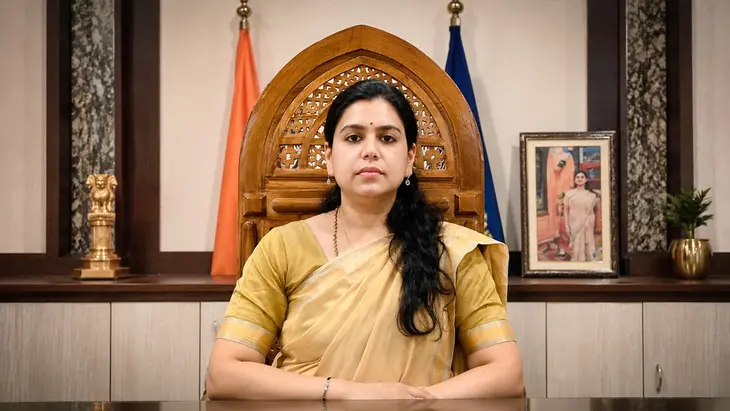
The issue of whether education adequately equips students for emotional well-being has been highlighted by former bureaucrat Divya Mittal. In a recent post on social media, she reflected on her own educational journey, having studied at IIT Delhi, IIM Bangalore, and served in the IAS, stating that while she received exceptional academic training, she was never taught how to manage her emotional state or cope with loneliness. This perspective raises critical questions about the efficacy of elite educational institutions in addressing students’ mental health needs.

Mittal’s observations point to a broader trend within the Indian education system, where academic performance is prioritised at the expense of mental health education. Students are conditioned to pursue the next academic milestone, often neglecting essential life skills related to emotional resilience. This focus on academic excellence can lead students to define their worth solely through grades and ranks, contributing to feelings of inadequacy and isolation.

Statistics concerning student mental health indicate a growing crisis. A report by Mental Health First Aid India revealed that 7.3 per cent of children and adolescents in India struggle with mental health disorders. Recent incidents, such as the suicide of an MSc student at IIT Delhi and cases at IISc Bengaluru, underscore the urgent need for systemic change in how educational institutions address mental health and emotional support.

The Gap in Support Systems

Despite education policies aimed at improving mental health resources, the gap in implementation remains pronounced. Many educational institutions, particularly in rural areas and government schools, lack trained professionals and adequate facilities to support students in distress. While policies like the National Education Policy 2020 and initiatives such as Manodarpan have been introduced, their impact is hindered by insufficient infrastructure and training.

Mittal notes that identifying when students are struggling requires a proactive approach that many schools lack. Without effective counselling systems and trained professionals, issues often escalate before they are adequately addressed. Furthermore, mental health services tend to be more accessible in urban private institutions than their public counterparts, creating imbalances in support across different types of schools.

Moreover, appointing a single teacher as a counsellor or holding annual awareness sessions does not equate to providing comprehensive mental health education. Students need consistent access to trained professionals who can offer confidential assistance. To foster true well-being, institutional frameworks must include programmes that equip students with skills to manage stress, anxiety, and personal challenges alongside their academic pursuits.

Reassessing Success in Education

Transforming perceptions of what it means to succeed in education is paramount. A high academic rank should not overshadow an individual’s ability to cope with personal challenges, nor should academic struggles negate a student’s potential. Mittal’s experience serves as a reminder that while prestigious institutions offer valuable education, they do not always provide the necessary tools for personal understanding and emotional development.

Crucially, initiatives like those developed by NIMHANS and Kerala’s Unarv programme show promise in integrating mental health into education. These programmes promote emotional awareness and stress management, but they need wider adoption to create a holistic educational framework that prioritises student well-being as much as academic success.

The dialogue initiated by Divya Mittal represents an essential step towards recognising the systemic shortcomings in addressing mental health within India’s educational landscape. As discussions evolve, it is imperative for educational institutions to reassess their roles in supporting the emotional development of students alongside their academic achievements, ensuring that future generations are equipped not only with knowledge but also with the tools to navigate life’s challenges.

Long or Short, get news the way you like. No ads. No redirections. Download Newspin and Stay Alert, The CSR Journal Mobile app, for fast, crisp, clean updates!

App Store –  https://apps.apple.com/in/app/newspin/id6746449540 

Google Play Store – https://play.google.com/store/apps/details?id=com.inventifweb.newspin&pcampaignid=web_share

Latest News

Popular Videos
