


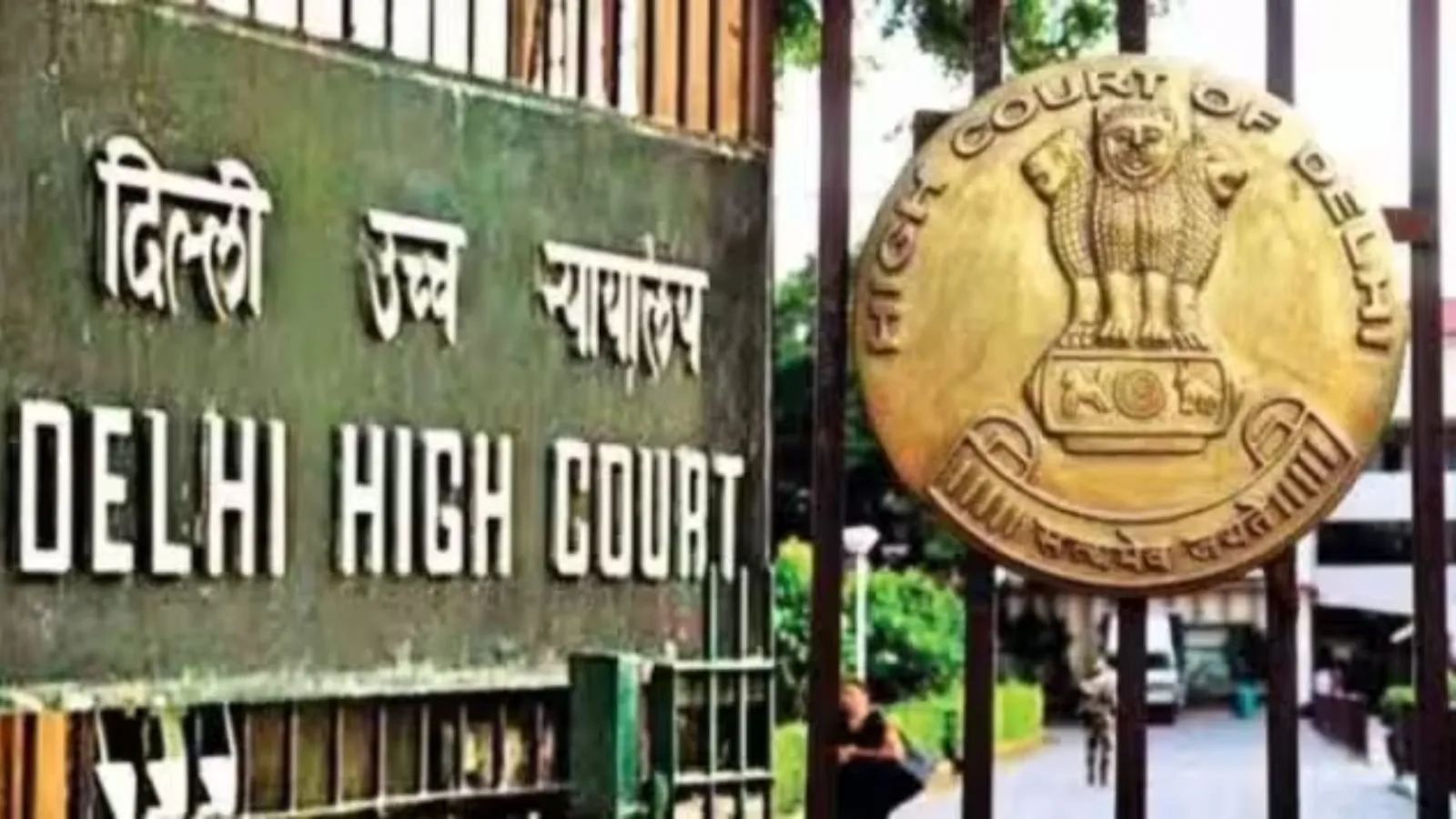
Delhi High Court Addresses Protests, Travel Requests and Online Content
The CSR Journal Magazine

The Delhi High Court on Monday considered several petitions concerning protests at Jantar Mantar, a prominent site for demonstrations in the capital. The court is likely to assess the legality of the space the government allegedly closed for protests and how this impacts civil rights. The proceedings included a request from the Indian Youth Congress for permission to protest against Chief Election Commissioner Gyanesh Kumar regarding alleged irregularities in the Special Investigation Team process.

The court has granted the Delhi Police until October 13 to respond to the Youth Congress’s plea. Furthermore, it requested a status report from the police regarding the detention of civil rights activist Mohammad Wasiq Nadeem Khan. He claims the police unlawfully held him to prevent his participation in a peaceful protest at the same location.

Activist’s Travel Request and Its Implications

Another matter brought before the court involved activist Natasha Narwal, who is currently out on bail following her involvement in cases associated with the 2020 northeast Delhi riots. Narwal is seeking permission to travel to the United Kingdom for an academic conference.

The court agreed to hear her application, reflecting ongoing discussions regarding travel permissions for activists under legal scrutiny. In connection with the protests, the court will hear additional arguments concerning the alleged closure of Jantar Mantar as a venue for public demonstrations.

This aspect of the proceedings highlights broader issues of freedom of assembly and civil liberties in the capital. The continued attention on Jantar Mantar illustrates the importance of the site as a space for civic engagement and the legal considerations surrounding it. The court’s interventions may shape future protests and legislative actions in similar contexts.

Online Content and Commercial Labelling

In addition to the discussions regarding protests, the Delhi High Court addressed separate issues related to online content targeting Member of Parliament and actor Kangana Ranaut. The court has ordered the removal of AI-generated and allegedly obscene materials about Ranaut from digital platforms. This decision underscores the ongoing legal battle over defamation and the management of content across social media channels.

Moreover, the court has also declined to intervene immediately in a case involving PepsiCo, which is contesting a decision preventing it from labelling certain products as ‘energy drinks.’ This ruling could set precedents for food and beverage marketing in India, particularly regarding how products are categorised and marketed to consumers.

Another matter of significance involves the Delhi Gymkhana Club, where members have challenged the government’s move to take over its 27.3-acre premises along with subsequent eviction proceedings. The court has solicited the government’s response to this case, indicating its potential implications for property rights and management of civic clubs in the capital.

The proceedings at the Delhi High Court on Monday showcase a variety of legal challenges, from civil rights issues related to protests to emerging concerns about online content and regulatory frameworks for commercial labelling. Further hearings are scheduled, and responses from involved parties are awaited to guide the court’s subsequent decisions.

Long or Short, get news the way you like. No ads. No redirections. Download Newspin and Stay Alert, The CSR Journal Mobile app, for fast, crisp, clean updates!

App Store –  https://apps.apple.com/in/app/newspin/id6746449540 

Google Play Store – https://play.google.com/store/apps/details?id=com.inventifweb.newspin&pcampaignid=web_share

Latest News

Popular Videos
