


Delhi Government Allocates Rs 19,148 Crore to Education, Introduces New Schools and Smart Classes
The CSR Journal Magazine

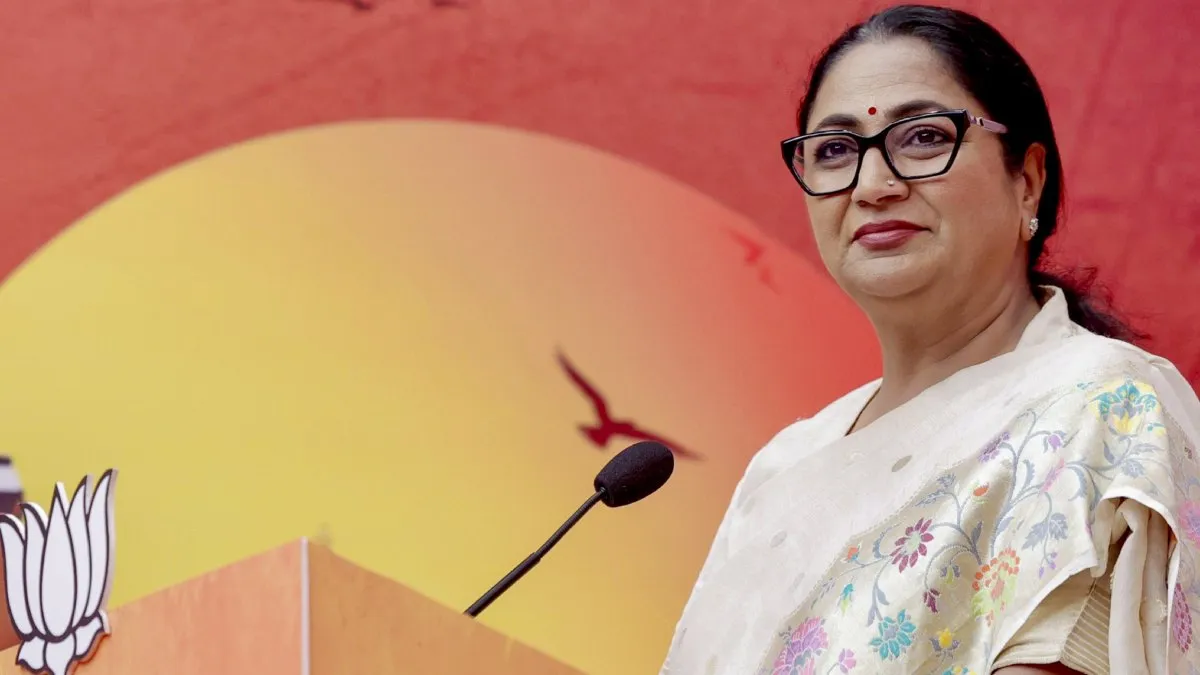
On March 24, Delhi Chief Minister Rekha Gupta unveiled the budget for the year 2026–27, highlighting a substantial emphasis on education through increased funding, infrastructure enhancements, and welfare initiatives tailored for students. The budget earmarked Rs 19,148 crore for the education sector, underscoring the government’s commitment to fortifying public education in the national capital. The proposed budget encompasses a variety of incentives and structural reforms intended to boost accessibility and improve the quality of education.

Promoting Access and Support for Students

A significant aspect of the budget is the initiative aimed at expanding educational access for girls. Approximately 1.30 lakh Class 9 female students attending Delhi government schools will be provided with free bicycles, with an allocation of Rs 90 crore dedicated to this scheme. This initiative is anticipated to help reduce dropout rates and facilitate easier transportation for students commuting to schools. The government has also introduced incentives for outstanding academic performance, offering laptops to meritorious Class 10 students, thereby addressing the digital gap and promoting sustained learning in an increasingly technology-oriented educational landscape.

Investment in Digital Infrastructure and Classroom Modernization

A substantial portion of the budget is directed towards the modernization of classrooms. The initiative includes equipping 8,777 classrooms with smart boards, supported by an allocation of Rs 150 crore for smart classes. This focus on digital integration is expected to enhance pedagogy, foster interactive learning experiences, and bring government schools in line with current educational standards.

Expansion of Educational Facilities and Higher Education Initiatives

The budget also signifies a notable expansion in educational infrastructure, with the announcement of 10 new Kendriya Vidyalayas across Delhi. These centrally managed schools aim to widen access to quality education in various regions of the city. Furthermore, plans to increase the number of medical colleges and available seats were also highlighted, addressing the rising demand for healthcare education and bolstering the development of future medical practitioners. An integrated education city is slated to be established in Narela, with the intention of creating a hub that combines educational institutions, innovation centers, and research facilities, cultivating a comprehensive academic environment.

Comprehensive Support for Social and Educational Development

While the budget’s primary focus remains on educational enhancements, it also includes allocations that indirectly benefit students and their families. Welfare initiatives, such as financial assistance programs and targeted funding for Scheduled Castes (SC), Scheduled Tribes (ST), and Other Backward Classes (OBC), are expected to elevate overall educational participation rates. Through a combination of direct benefits, infrastructure growth, and digital advancements, the Delhi Budget for 2026–27 proposes a multifaceted approach to enhance education within the capital.

Long or Short, get news the way you like. No ads. No redirections. Download Newspin and Stay Alert, The CSR Journal Mobile app, for fast, crisp, clean updates!

App Store –  https://apps.apple.com/in/app/newspin/id6746449540 

Google Play Store – https://play.google.com/store/apps/details?id=com.inventifweb.newspin&pcampaignid=web_share

Latest News

Popular Videos
