


BJP Launches 4,000 km ‘Nasha Mukt Punjab Yatra’ to Tackle Drug Crisis Ahead of Polls
The CSR Journal Magazine

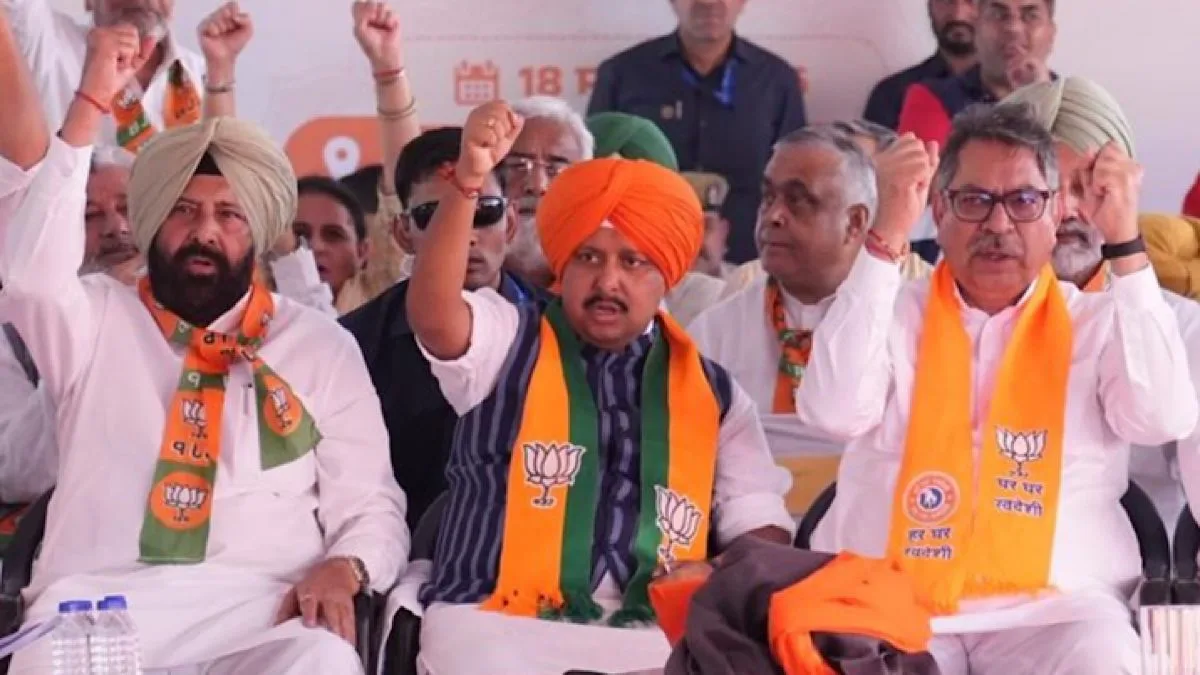
The Bharatiya Janata Party (BJP) has initiated the ‘Nasha Mukt Punjab Yatra’ to address the drug crisis in Punjab, starting from Madhopur in Pathankot on September 18. This campaign comprises four yatras originating from Madhopur, Fatehgarh Sahib, Fazilka, and Talwandi Sabo, collectively covering nearly 4,000 km across the state’s 117 assembly constituencies over thirteen days. These yatras are expected to converge in Jalandhar for a rally led by Union Home Minister Amit Shah on September 30, with the BJP aiming to strengthen its position in a state where it currently holds only two assembly seats and none in the Lok Sabha.

This campaign is particularly significant as the BJP plans to contest all 117 assembly seats in the upcoming elections without the Shiromani Akali Dal (SAD), its former ally. A central promise from the BJP is to eradicate drugs in Punjab within two years following their assumption of office. Despite the party stating that the yatra is not merely a political endeavour, Union Minister Arjun Ram Meghwal described it as a push for social reform while simultaneously criticising the current state government for its alleged failures in combating the drug issue.

In the wake of Nabin’s remarks, numerous Union ministers, state chief ministers, and key parliamentarians have flocked to Punjab to reinforce the BJP’s message to the electorate. This swift influx of high-profile representatives is intended to bolster the party’s narrative regarding drug eradication ahead of the next state elections scheduled for 2027.

Shah’s Vision Against Drugs

Union Home Minister Amit Shah has placed major emphasis on confronting the drug problem in Punjab during the yatra. Speaking to state anti-narcotics officials on September 22, he expressed that a developed India by 2047 could not be realised if youth are entrapped in drug addiction. Shah categorised the fight against drugs as one of the most daunting challenges, comparable to ongoing issues in Kashmir and the Northeast and revealed a ‘Vision Document 2026-2029’ aimed at tackling drug-related issues.

The central government highlighted its track record with narcotics seizures, with over 11.9 million kg confiscated from 2014 to 2026, substantially higher than the approximately 2.6 million kg seized from 2004 to 2014. This contrasts sharply with Punjab’s ongoing drug challenge, and the BJP’s commitment appears poised to coincide with the national government’s broader strategy targeting 2029.

However, this focus also raises questions regarding the Centre’s accountability, considering that the drug problem is a shared challenge. The intricate nature of the drug problem in Punjab, entwined with cross-border dynamics with Pakistan, adds layers to the already complex situation.

Gangster Networks and Domestic Drug Challenges

Punjab faces a multifaceted drug crisis, closely linked to its 553 km border with Pakistan. Over the years, drug smuggling routes have evolved from traditional foot crossings to advanced methods involving drones. In recent years, the Border Security Force (BSF) has reported substantial seizures of both narcotics and weaponry from drone activities, indicating a solidifying connection between drug trafficking and gang violence.

Allegations have surfaced regarding the involvement of international and local gangster networks financing criminal activities through drugs and arms smuggling. Numerous arrests and investigations have highlighted the interconnected nature of these crimes, bringing to light the broader implications on law enforcement and public safety.

The domestic scenario has also shifted, with an alarming increase in the production and distribution of synthetic drugs. Reports indicate a surge in the local manufacture of these substances, leading to significant seizures by law enforcement. The escalating drug problem in Punjab underscores the need for comprehensive strategies going beyond merely addressing cross-border drug trafficking.

Political Reactions and Historical Context

The BJP’s campaign has been set against a backdrop of historical narratives about drug issues in Punjab. Recent events, including the tragic death of a Dalit labourer, have amplified the campaign’s emotional weight among constituents, prompting increased scrutiny of the state government’s actions. Critics, including members from rival political parties, have raised concerns about the current administration’s effectiveness in confronting this persistent issue.

Despite ongoing efforts to tackle drug-related challenges, various political factions have taken turns in addressing the crisis, often with promises that remain unfulfilled. Only time will tell if the BJP’s asserted commitment to eliminate drugs in a two-year timeframe will resonate with an electorate that has grown hesitant about unfulfilled pledges.

As the election cycle unfolds, the success of the BJP’s campaign will hinge not only on their proposed timelines but also on their ability to deliver tangible results that restore faith in governance and address the profound impact of drug abuse across Punjab.

Long or Short, get news the way you like. No ads. No redirections. Download Newspin and Stay Alert, The CSR Journal Mobile app, for fast, crisp, clean updates!

App Store –  https://apps.apple.com/in/app/newspin/id6746449540 

Google Play Store – https://play.google.com/store/apps/details?id=com.inventifweb.newspin&pcampaignid=web_share

Latest News

Popular Videos
