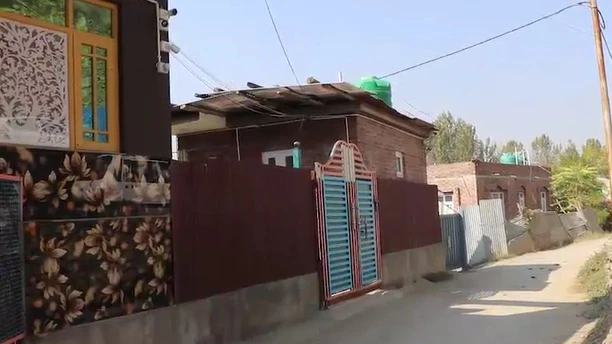
The Bharatiya Mazdoor Sangh (BMS), the labour wing associated with the Rashtriya Swayamsevak Sangh (RSS), has inaugurated its first formal divisional office in Jammu and Kashmir, specifically in the Pulwama district. This development is notable as it establishes a permanent presence for the Sangh Parivar in the region.
The office is located in the village of Barsoo, which is situated in the Awantipora area, and is marked by a heavily guarded, single-storey building. Security measures include armed police personnel and surveillance cameras, indicating the significance of the site.
The establishment of this office represents a strategic move by the BMS to engage with local labour unions and focus on workers’ welfare. While BMS officials assert that their intentions are apolitical, the opening has elicited mixed reactions from regional political leaders. Many opposition figures express concern regarding the increasing influence of Sangh-affiliated organisations in the Valley, viewing it as a potential threat to local dynamics.
Local Reactions and Political Context
The inauguration of the BMS office has sparked a debate among local political circles. Opposition leaders have voiced their apprehensions regarding the growing presence of organisations linked to the RSS, suggesting that it may alter the socio-political landscape of the region. They argue that the BMS’s activities could be perceived as an attempt to expand the ideological reach of the Sangh in a historically sensitive area.
Despite the political controversy, BMS representatives have reiterated their commitment to addressing the rights and welfare of workers without any political affiliations. Sameer Kuchay, the BMS’s Kashmir in-charge, emphasised that the organisation’s primary focus is on the dignity of labourers and their contributions to nation-building. He stated that the BMS aims to support workers regardless of their backgrounds or beliefs, reinforcing the message of inclusivity.
In the past, the RSS has reportedly maintained a low-profile presence in the Valley, engaging in activities such as funding educational institutions and renovating temples in border areas. The public inauguration of the BMS office marks a shift from this discreet approach, signifying a more pronounced effort to establish a foothold in the region.
Future Plans and Objectives
Looking ahead, the BMS has outlined its objectives for the newly established office in Pulwama. The organisation aims to create a platform for local labourers to voice their concerns and advocate for their rights. Kuchay stated that the BMS intends to work towards enhancing the living conditions of workers and fostering a sense of community among them. This initiative is expected to contribute positively to the development of Pulwama and its surrounding areas.
The BMS’s approach involves collaborating with local labour unions to understand the specific needs and challenges faced by workers in the region. By doing so, the organisation hopes to implement effective strategies that will address these issues while promoting a culture of respect and dignity for all labourers.
As the BMS embarks on this new chapter in Jammu and Kashmir, it remains to be seen how its presence will influence local dynamics and whether it will succeed in its mission to uplift the labour community in the Valley. The unfolding developments will likely attract continued attention from both supporters and critics alike.
Long or Short, get news the way you like. No ads. No redirections. Download Newspin and Stay Alert, The CSR Journal Mobile app, for fast, crisp, clean updates!